A wave of student unrest is sweeping through secondary schools across the country, disrupting learning and forcing several institutions to close as learners raise concerns ranging from poor living conditions and inadequate food to academic pressure and indiscipline.
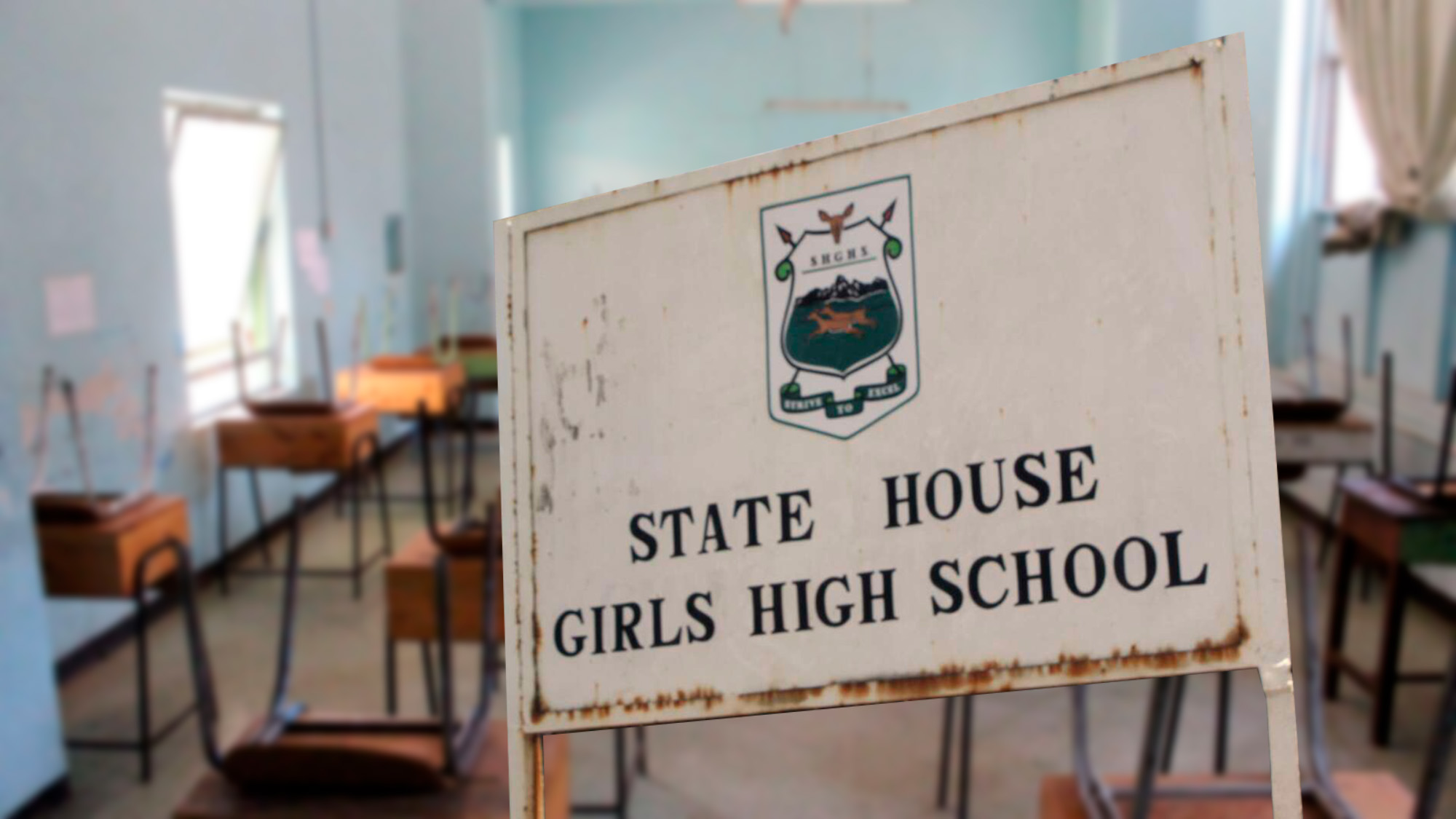
At State House Girls High School, parents were on May 12, asked to pick up their daughters after the school was closed indefinitely to allow administrators and education officials to address complaints over the quantity and quality of food, healthcare services, the operation of the school canteen, the curriculum being taught and the treatment of students.
“We have had many concerns, including hunger, healthcare, the quantity of food, the quality of education and how students are treated, with some saying what they are being taught does not align with Ministry of Education standards. All these issues will be addressed to ensure that when the students return, they find a conducive environment for learning,” said the school’s Board Chairman.
In a communiqué to parents, the school administration said there was a brief period of unrest after some students expressed intentions of going on strike over undisclosed concerns.
“There was a brief period of unrest today, as some of the girls had expressed intentions of going on strike. Their concerns were listened to and addressed accordingly. However, after consultations with all relevant stakeholders, it was considered prudent to allow the students to be released tomorrow so that tensions can ease and normalcy can fully return,” it read.
The administration said the students’ concerns were heard and addressed, and that after consultations with relevant stakeholders, students had been allowed to go home on Tuesday to ease tensions and allow normalcy to fully return.
The closure comes as a wave of student unrest and suspected arson incidents sweeps through schools in several counties, with institutions in the Coast and Central regions among the hardest hit.
In Taita Taveta County, schools including Mwasere Girls High School, Dr Aggrey Boys High School, Kenyatta High School, Moi Boys, Eldoro Girls, Mahoo Girls and St Mary’s Lushangonyi have reported fire incidents and strikes.
Taita Taveta County Commissioner Josephine Okelo said police had arrested some students in connection with the fires and warned that those found responsible would be prosecuted.
Taita Taveta County Commissioner Josephine Okelo said police had launched investigations into the fires, with some students already arrested in connection with the incidents.
“At Mwasere Girls High School we have arrested suspects who are students and they are currently in custody,” said Ms Okelo.
“At Kenyatta High School, we thank God that none of the students were harmed and from our investigations, none of the students were involved. That is why learning is continuing normally and there is no panic or suspicion,” she added.
Ms Okelo warned students against engaging in acts of destruction, saying those found culpable would face the full force of the law.
“Mwasere Girls High School has been closed indefinitely. We know this wave is contagious, but we are urging students to maintain discipline. Once you are found to have participated in such crimes, you will be prosecuted,” she said.
“It does not make sense for a 16-year-old child to end up in prison instead of preparing for their future. You are shortening your future,” she added.
The county commissioner said preliminary investigations had not linked teachers to the unrest, although police were still pursuing all possible leads.
“Sometimes students in boarding schools do not have access to petrol stations, so investigations must establish how accelerants were obtained,” she said.
Parents and education officials have expressed concern over the growing financial burden caused by the destruction of school property.
At Mwasere Girls High School, the Board of Management directed each learner to return to school with Sh10,000 in addition to cleared school fees to help rebuild damaged facilities.
Board chairman John Mwangemi defended the decision, saying parents must share responsibility for damages caused by students.
“We had a board meeting and agreed on that figure. Do we shut the school forever? Parents have to take responsibility because this is what schools normally do after such incidents,” said Mr Mwangemi.
He added that students found culpable had already been expelled as investigations continue.
According to school officials, the fire destroyed dormitories and nearly spread to the school generator before teachers intervened swiftly to contain the situation.
In Embu County, unrest paralysed learning at Kangaru School and Kangaru Girls High School after students staged protests and walked out of the institutions.
The unrest at Kangaru School reportedly began when Form Four students refused to sit for internal examinations.
Embu West Sub-County Police Commander Vincent Kitili said the students went on the rampage before other learners joined the protest.
“The Form Four students started the chaos, saying they were not ready to sit for the examinations. Other students later joined them, leading to a mass walkout,” said Mr Kitili.
Residents later reported seeing groups of students walking through Embu town late at night, prompting police intervention.
“We managed to contain them at Moi Stadium, where they were kept under guard until morning to ensure their safety,” he said.
Other schools in Embu County, including Sacred Heart Kyeni Girls and Kimangaru Mixed Secondary School, have also experienced unrest, disrupting normal learning activities.
Parents described the situation as alarming and urged the government to urgently address the root causes of student unrest.
“The rate at which schools are closing due to unrest is worrying. The government must take the matter seriously,” said one parent.
Education stakeholders have linked the disturbances to examination pressure, mental health challenges, indiscipline and poor communication between students and school administrations.
Last week, Education Cabinet Secretary Julius Ogamba said that although school unrest is concerning, the incidents should be viewed in context, noting that about 100 schools out of Kenya’s 73,000 learning institutions had experienced strikes this term.
Cabinet Secretary for Youth Affairs, Creative Economy and Sports, Salim Mvurya, described the incidents as detrimental to the future of learners and the country’s education system.
“These actions are destructive and harmful to the future of our young people and the education system as a whole. Thorough investigations must be conducted and appropriate action taken to prevent further incidents,” said Mr Mvurya.
Taita Taveta Governor Andrew Mwadime called for strengthened mentorship and counselling programmes in schools to address frustrations that may be pushing students into violent behaviour.
“We need stronger collaboration between parents, teachers and communities to guide learners and address emerging challenges affecting students,” said Mr Mwadime.
Reporting by Mercy Simiyu, Winnie Atieno and George Munene