Oil workers warn Nigerians have lost patience with failed refinery promises after years of abandoned rehabilitation projects…..
The Nigeria Union of Petroleum and Natural Gas Workers (NUPENG) has urged the Federal Government and the Nigerian National Petroleum Company Limited (NNPCL) to ensure that the newly signed refinery rehabilitation partnership with Chinese firms produces visible and measurable results.
The union said Nigerians are exhausted by years of repeated promises, failed turnaround maintenance projects, and billions of naira spent on refinery repairs without any meaningful improvement in local fuel production.
NUPENG President, Salmon Oladiti, made the remarks while reacting to the latest agreement aimed at restoring operations at the Warri and Port Harcourt refineries, describing the initiative as a potentially important turning point for Nigeria’s struggling oil and gas sector.
While commending the Federal Government for pursuing the partnership, Oladiti stressed that the country can no longer afford another unsuccessful refinery rehabilitation exercise.
According to him, the prolonged collapse of Nigeria’s refining capacity has imposed enormous economic hardship on citizens despite the country’s status as one of Africa’s largest crude oil producers.
He noted that the continued dependence on imported petroleum products has contributed heavily to rising fuel prices, mounting pressure on foreign exchange reserves, inflationary trends, unemployment, and broader economic instability.
Oladiti said ordinary Nigerians and workers in particular have carried the burden of the country’s failed refining system through persistent fuel shortages, escalating transportation costs, and worsening living conditions.
“The inability to sustain local refining capacity has continued to hurt the economy and deepen hardship for millions of Nigerians,” he said.
The labour leader explained that the latest agreement with the Chinese firms presents an opportunity to restore confidence in Nigeria’s downstream petroleum sector if properly implemented.
According to him, successful rehabilitation of the refineries could help strengthen energy security, reduce dependence on imported fuel, create jobs, support industrial growth, and ease pressure on the nation’s foreign exchange market.
However, he warned that public confidence in refinery rehabilitation projects has been severely damaged by previous failed attempts that consumed massive public funds without delivering lasting operational results.
“Nigerians are tired of repeated refinery rehabilitation promises and projects that consumed huge public resources without delivering lasting results,” Oladiti stated.
He therefore called on all parties involved in the agreement to prioritize transparency, accountability, professionalism, and strict execution timelines to avoid another failed intervention.
Industry observers say the warning reflects growing public skepticism surrounding Nigeria’s refinery rehabilitation efforts, particularly given the long history of stalled projects and underperforming state-owned refineries.
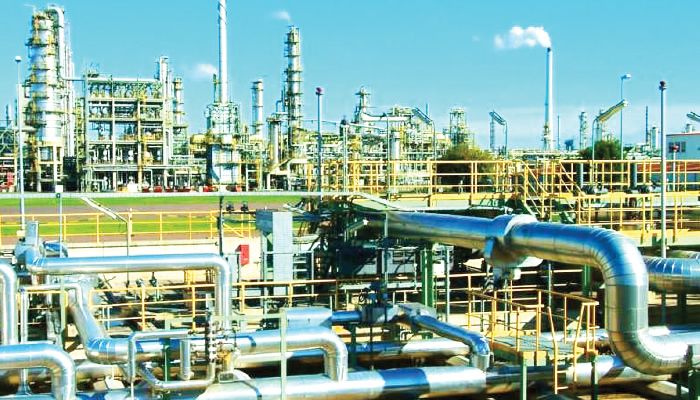
The Warri and Port Harcourt refineries have remained largely inactive for years despite multiple turnaround maintenance exercises and repeated government assurances about their revival.
Successive administrations have announced rehabilitation plans over the past decade, yet domestic refining output has remained far below national demand, forcing Nigeria to rely heavily on imported petroleum products.
The latest partnership with Chinese firms is expected to play a major role in the government’s broader energy strategy aimed at reducing import dependence and improving local refining capacity.
For many Nigerians, however, the real test will not be the signing ceremonies or announcements, but whether fuel actually begins to flow consistently from the refineries after years of costly delays and broken promises.