Ghana is planning to raise $1 billion through domestic bonds to finance cocoa purchases from farmers ahead of the 2026/2027 crop season, as the country moves to overhaul the way it funds and delivers cocoa to global buyers.
According to Bloomberg, which cited anonymous sources familiar with the discussions, the proposed bond issuance is expected before the new cocoa season begins around August and will be denominated in Ghana’s local currency, the cedi.
The move comes as Ghana, the world’s second-largest cocoa producer, grapples with severe market volatility and funding pressures following the sharp decline in cocoa prices after the commodity’s historic rally in 2024.
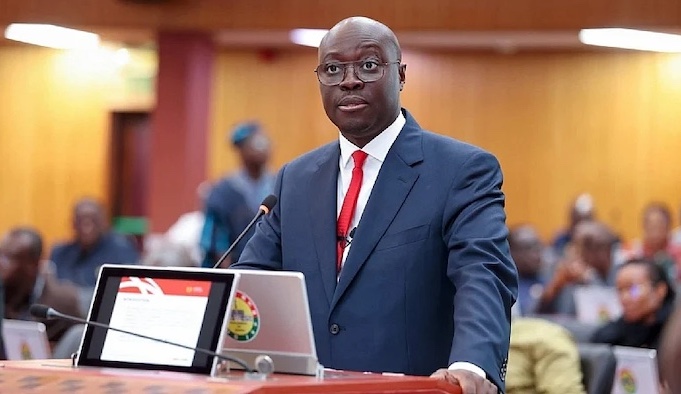
Speaking at the Africa Cocoa Investment Forum in London on Wednesday, the Chief Executive of the Ghana Cocoa Board (COCOBOD), Randy Abbey, said the country was seeking to reduce its dependence on dollar funding and foreign lenders by turning to the domestic debt market.
“We are looking at funding the entire crop. We believe that the interest rates in Ghana now are at the right place for us to go into the market,” Abbey said.
He explained that Ghana believes current borrowing conditions are favourable enough to support a large-scale domestic bond issuance, citing easing inflation and declining interest rates in the country.
Abbey added that the initiative was also aimed at creating a more stable funding regime for Ghana’s cocoa sector, which has for years struggled under repayment pressures tied to trader-backed loans used to finance cocoa purchases from farmers.
The planned financing reform comes amid growing liquidity concerns within Ghana’s state-controlled cocoa purchasing system.
Reuters reported that the state-owned cocoa buyer, Producer Buying Company (PBC), has struggled to buy cocoa from farmers after accumulating debts of about 673 million cedis, equivalent to roughly $60 million. The debt burden has reportedly exposed the company to the risk of asset seizures.
Under Ghana’s cocoa marketing framework, PBC is legally mandated to purchase cocoa from any farmer as the buyer of last resort. The Ghanaian government had pledged in February to restore the company as the country’s leading cocoa buying firm.
However, reports indicate that months later, the company still owed cocoa farmers about 24 million cedis for more than 9,000 bags of cocoa already delivered, while lacking the liquidity needed to sustain purchases.
The cocoa financing crisis is unfolding against the backdrop of renewed inflationary pressures in Ghana’s economy.
Data showed that Ghana’s inflation rose by 3.4% year-on-year in April 2026, up from 3.2% in March, marking the first increase since December 2024.
Despite the uptick in inflation, the Bank of Ghana has maintained an easing stance on monetary policy after inflation slowed significantly over the past year.
In January 2026, the central bank cut its benchmark policy rate by 250 basis points to 15.50%, citing easing inflationary pressures. The rate was subsequently reduced again to 14%, marking the fifth consecutive monetary policy meeting at which interest rates were lowered.
Boluwatife Enome