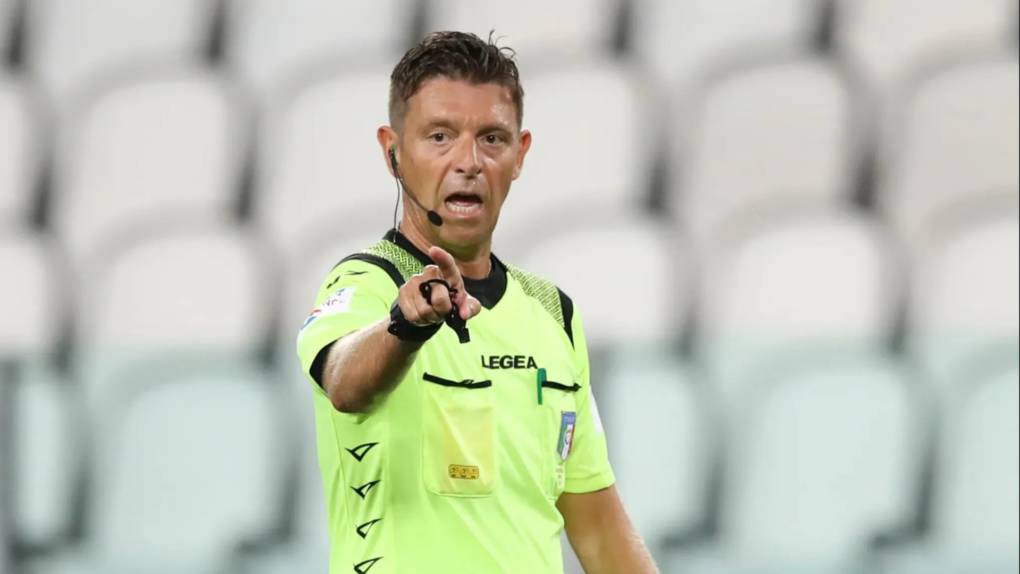
The administrative landscape of Italian football has been rocked by the voluntary suspension of Gianluca Rocchi, the individual responsible for designating match officials across the nation’s premier divisions. This self-imposed hiatus follows a burgeoning investigation into allegations of sporting fraud connected to the 2024–25 season. Rocchi, a prominent figure overseeing Serie A and Serie B assignments, is facing scrutiny for “complicity in sporting fraud,” with a preliminary judicial hearing set for this coming Thursday.
The Italian Referees Association (AIA) has formally confirmed Rocchi’s decision to step away from his duties. Joining him in this move is Andrea Gervasoni, the supervisor for Video Assistant Referees (VAR) in Italy’s top two tiers, who is also embroiled in the probe. In a formal communication released via the AIA on Sunday, Rocchi characterized the maneuver as a strategic measure to safeguard the reputation of the officiating body during the legal inquiry.
“This painful and difficult decision, shared with my family, is intended to allow the judicial process to proceed smoothly, from which I am certain I will emerge unscathed and stronger than before,” Rocchi stated. He further emphasized his commitment to the organization, adding: “My great love for my association and my sense of responsibility for the role I hold lead me, above all, to protect such an important group, which I do not want to be affected in any way by my circumstances. I await further developments, which I hope will arrive soon to clarify my position.”
Reports from the Italian news agency AGI suggest that the investigation is centered on the alleged manipulation of referee selections and VAR interventions. Specific accusations include claims that Rocchi may have influenced the choice of an official for an Inter Milan fixture based on the club’s perceived preferences. Additionally, investigators are examining instances where VAR staff allegedly failed to flag potential infractions by Inter players and reports of undue pressure during a March 2024 clash between Udinese and Parma. That particular game saw a controversial late penalty converted by Florian Thauvin following an on-field review that investigators believe may have been improperly influenced.
Under the Italian legal framework, sporting fraud is categorized as a criminal offense, carrying a maximum penalty of six years of incarceration upon conviction. As the authorities continue their work, the footballing world awaits the outcome of Thursday’s hearing, which is expected to shed more light on the severity of the allegations and the future of the league’s officiating leadership.