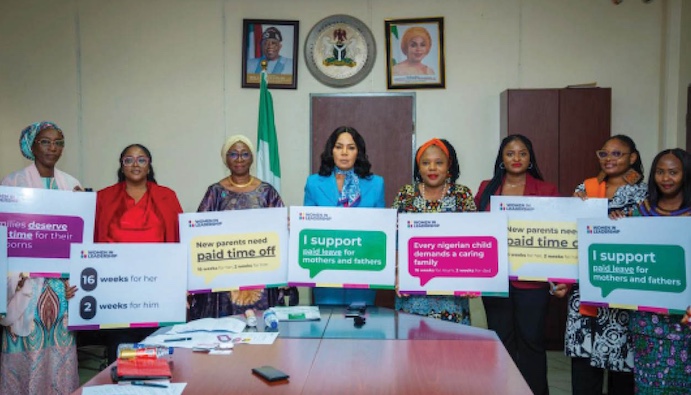
Advocates, policy stakeholders, and parents under the aegis of Nigerian Women in Leadership Coalition (WIL Coalition), on Monday, said the country could unlock about $23 billion in economic value by closing gender gaps in workforce participation.
The coalition specifically called for the adoption of a national parental leave framework that guaranteed a minimum of 16 weeks of fully paid maternity leave as well as two weeks of paid paternity leave across all sectors.
The Federal Ministry of Labour, the advocates criticised current leave policies that left mothers with only 12 weeks of maternity leave, with half salary, and zero days of paternity leave for fathers, apart from those working in the federal civil service and a few states.
According to the coalition, “This means for most fathers in the private sector, there is no consistent statutory protection, creating unequal access to care during the most critical period of early childhood development.”
The proposed reform seeks to establish a unified national standard applicable across federal, state, and private sector employers, supported by clear enforcement mechanisms to ensure compliance and end the existing patchwork of inconsistent policies.
The coalition also called for legal protection against pregnancy and caregiving discrimination; transparent public reporting on employer compliance; and a structured pathway to extend parental leave protections to informal sector workers over time.
The Best Start Campaign is a national call demanding that the government enact a fully paid, 16-week maternity leave alongside a two-week paternity leave for all workers, regardless of their sector.
According to the coalition, global evidence shows that extending paid maternity leave improves child health outcomes, including higher rates of exclusive breastfeeding and lower infant mortality.
The advocates, therefore, called for immediate policy reforms action to establish a unified national standard, calling on corporate leaders to take proactive steps by adopting progressive parental leave policies that reduce employee burnout, improve retention, and strengthen long-term productivity and business performance.
James Emejo and Mariam Adedokun