Pakistan-mediated negotiations continue under pressure as uncertainty over Tehran’s unified position delays breakthrough….
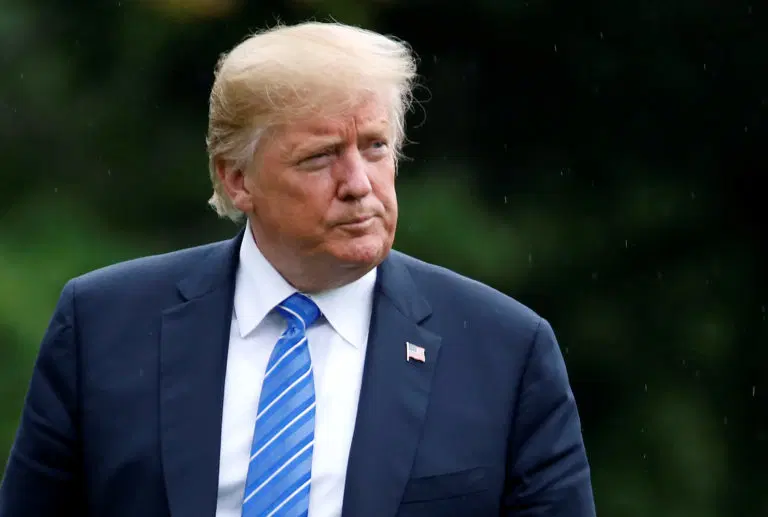
Donald Trump has announced an extension of the ceasefire agreement with Iran, pushing back the original two-week deadline until ongoing negotiations are completed and Tehran submits a unified proposal.
The announcement was made via a post on Truth Social on Tuesday, where the US president said the extension followed a formal request from Pakistan, which has been acting as a key mediator in the talks between Washington and Tehran.
According to Trump, the decision was influenced by what he described as internal fragmentation within the Iranian leadership. He noted that Pakistani officials, including Field Marshal Asim Munir and Prime Minister Shehbaz Sharif, had urged more time to allow Iran consolidate its position and present a coherent proposal.
While the ceasefire has been prolonged, Trump made clear that military pressure will continue. The US, he said, will maintain its naval blockade of the Strait of Hormuz, a critical passage for global oil flows and a long-standing flashpoint in US-Iran tensions.
He also confirmed that American forces remain on high alert, describing the posture as “ready and able” while diplomatic discussions continue.
The ceasefire, first agreed earlier in April, was initially designed to de-escalate rising tensions and reopen the Strait of Hormuz to international shipping. The deal was brokered with Pakistan’s involvement and received backing from China, coming just hours before a US-set escalation deadline.
However, the diplomatic process has remained fragile. Earlier rounds of talks in Islamabad failed to produce a comprehensive agreement, and uncertainty continues to surround Iran’s willingness and ability to present a unified negotiating position.
Inside the US administration, officials have reportedly expressed concern over limited communication from Tehran and the lack of clarity in Iran’s response to proposed deal frameworks.
JD Vance and other senior officials were expected to be involved in follow-up discussions, but scheduling adjustments have reflected the uncertainty surrounding Iran’s next steps.
One of the key sticking points remains Iran’s nuclear programme, particularly uranium enrichment, which continues to divide internal Iranian stakeholders and complicate negotiations.
Global markets have been closely tracking developments. Oil prices, including Brent crude and U.S. West Texas Intermediate, have shown only modest movements, reflecting cautious optimism that diplomacy could still prevent further escalation.
Still, analysts warn that sentiment remains highly sensitive. Any breakdown in talks or renewed military action could quickly shift energy markets and global risk appetite.
The broader geopolitical backdrop remains tense. The Strait of Hormuz continues to be a strategic pressure point, with control and access to the waterway shaping much of the current standoff.
Some analysts argue that while the United States has struggled to achieve decisive leverage, Iran has maintained a strong strategic position by retaining influence over the region’s most critical shipping lane.
With the ceasefire now extended, attention turns to whether Iran can consolidate internal positions and present a formal proposal acceptable to Washington.
For now, diplomacy continues under a cloud of military pressure, unresolved political divisions, and high global stakes leaving the next phase of negotiations uncertain but increasingly consequential.