Japan approved a sweeping policy shift allowing the export of lethal weapons, marking a significant departure from its postwar pacifist stance as it seeks to strengthen its defence industry amid rising regional tensions.
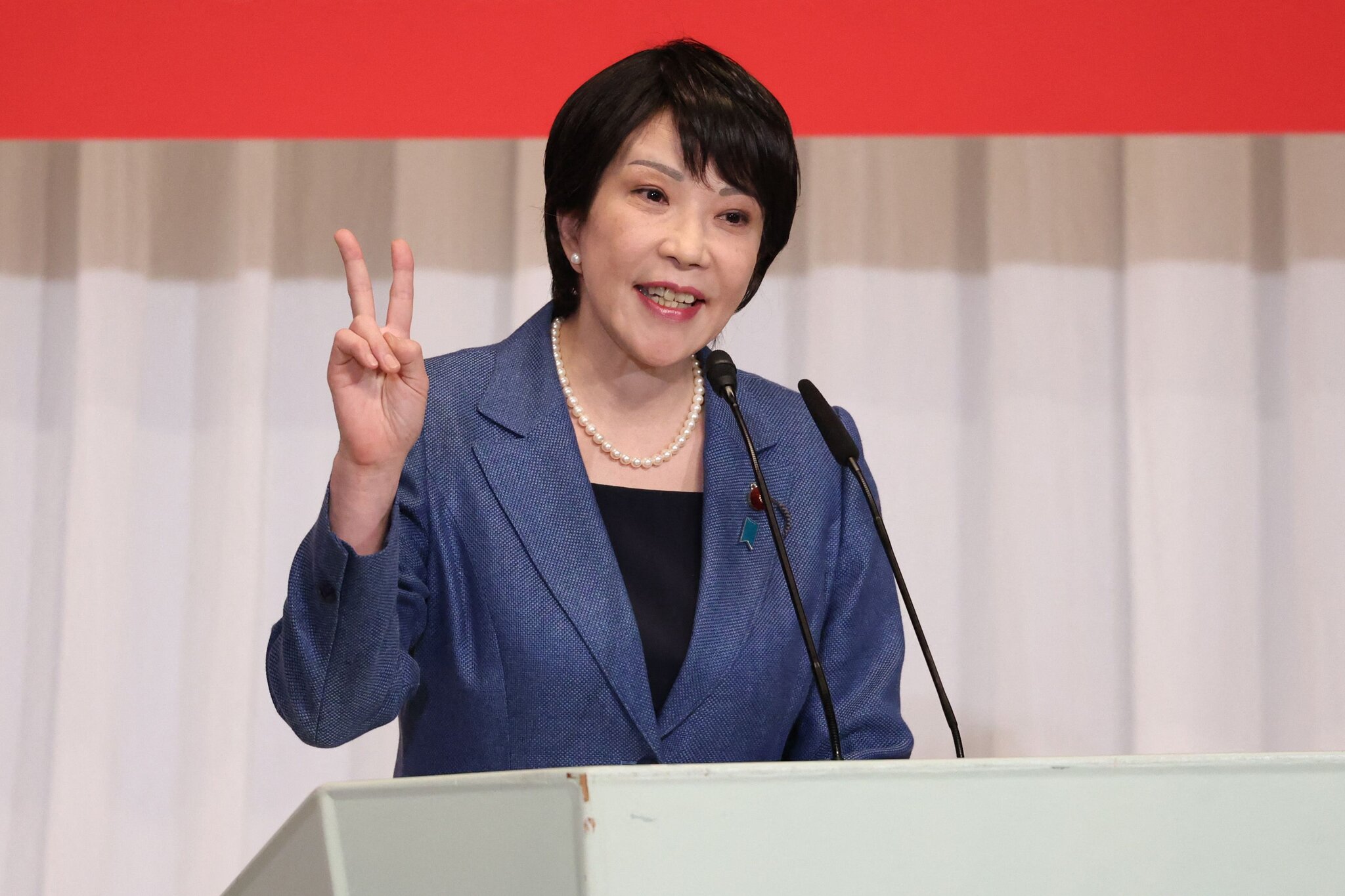
The decision was approved by the Cabinet of Prime Minister Sanae Takaichi, removing final restrictions that had long prevented Japan from exporting offensive military equipment. The move opens the door for sales of domestically developed warships, combat drones, fighter jets and missiles.
Chief Cabinet Secretary Minoru Kihara said the new policy is intended to bolster national security and contribute to regional stability. He stated, “The government will strategically promote defense equipment transfers to create a security environment that is desirable for Japan and to build up the industrial base that can support fighting resilience.”
Japan had maintained strict limits on arms exports under its post-World War II pacifist constitution, with recent exceptions allowing only non-lethal equipment such as protective gear, surveillance systems and transport tools. The updated guidelines remove those restrictions, significantly expanding the scope of permissible exports.
Under the new framework, lethal weapons exports will initially be restricted to 17 countries that have defence equipment and technology transfer agreements with Japan. Each deal will require approval from the National Security Council, with oversight mechanisms in place to monitor how exported equipment is used.
Officials said Japan would maintain strict screening processes and avoid supplying weapons to countries actively engaged in conflict, though they acknowledged that exceptions could be considered.
The policy builds on earlier changes. In 2023, Japan allowed the export of certain lethal components produced under foreign licenses, enabling it to supply US-designed Patriot missiles back to the United States. That revision also supported joint development of a next-generation fighter jet with Britain and Italy.
The shift has already translated into major defence deals. Australia recently signed an agreement with Japan for the delivery of three Mogami-class frigates, manufactured by Mitsubishi Heavy Industries, with plans to jointly produce eight more vessels. Other countries, including New Zealand and the Philippines, have also expressed interest in Japanese military equipment.
Japan’s defence industry, once constrained by limited domestic demand, is now being repositioned as a strategic growth sector under the Takaichi administration. Increased government funding and rising geopolitical tensions have attracted new investment from major corporations and startups, particularly in dual-use technologies such as drones.
The policy shift comes as Japan responds to growing security concerns linked to China, North Korea and Russia. Officials said expanded arms exports would deepen defence cooperation with allies and enhance regional deterrence.
China criticised the move, warning it could heighten tensions, while partners such as Australia welcomed the change as a step toward closer military collaboration.
Opponents within Japan argued the decision undermines the country’s pacifist principles and could increase risks to national and global security.
Erizia Rubyjeana