Almost 18 months after the spate of food poisoning incidents that claimed the lives of more than 20 children, nobody has yet been held accountable.
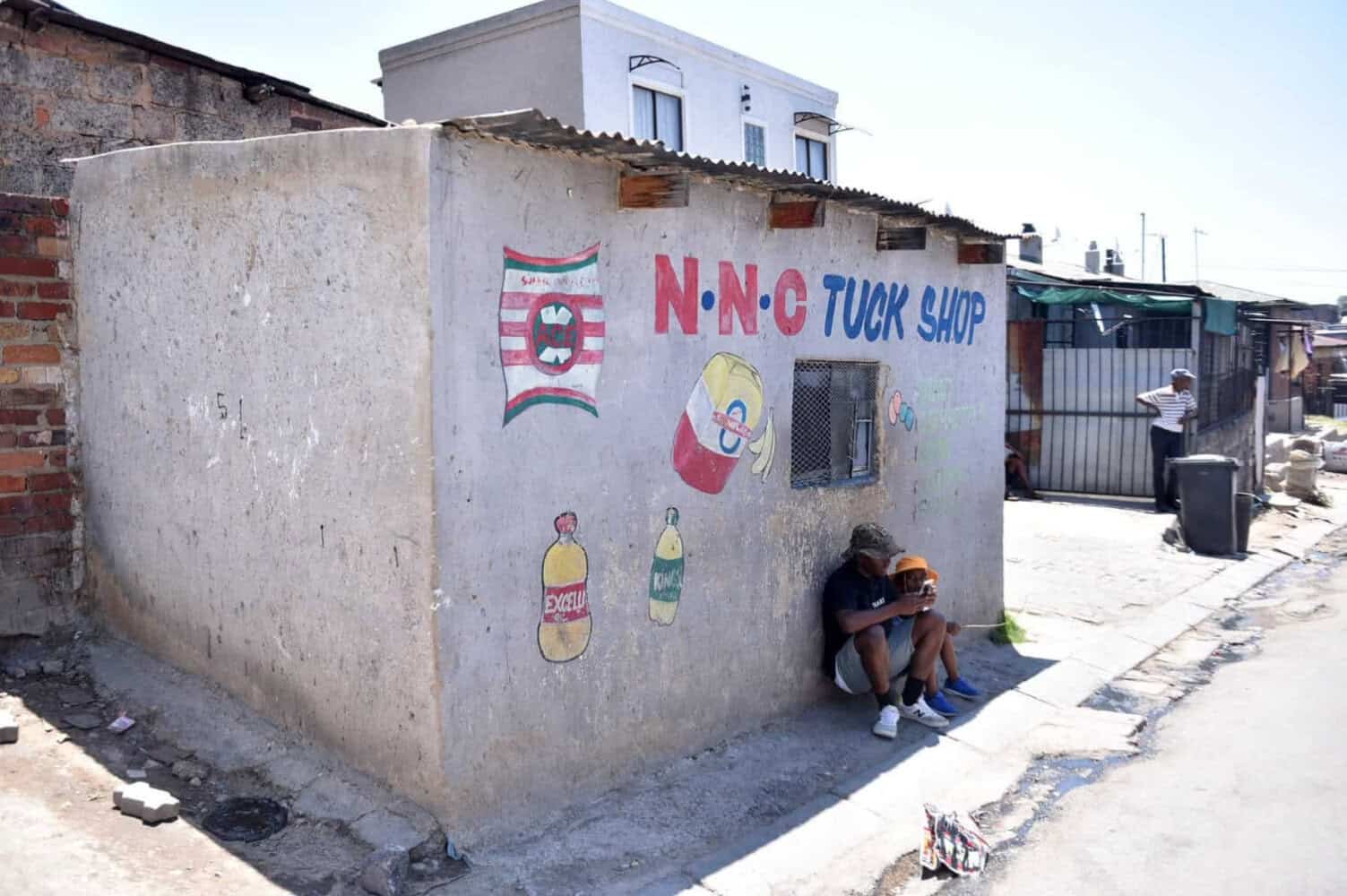
Authorities attributed the deaths to organophosphates and the poor storage of food products at spaza shops.
The public outcry led to a mass registration of spaza shops and informal traders under the guise of protecting communities from unregulated traders.
Four people were arrested in October 2024 in what seemed related to the food poisoning incidents, but Minister of Health Aaron Motsoaledi later clarified that they were arrested for being illegally in possession of a chemical.
The Ministry of Police was recently asked via written parliamentary question how far the investigations into the deaths had progressed and what consequences could still be expected.
Investigations continuing
The ministry was asked by the uMkhonto weSizwe Party’s Htombenhle Mbele if the South African Police Service (Saps) had investigated or arrested any of the spaza shop owners where the food that killed the children had been sold.
In a response dated 20 March, the ministry stated that inquest dockets were opened for each of the 2024 deaths and all similar child deaths since, yet all were still under investigation.
“All inquests reported during the 2024-2025 financial year and from 1 April 2025 until December 2025 are still under investigation.
“The inquest court must first decide if a person can be held responsible for the death before any person can be charged,” the ministry stated.
Additionally, the ministry was asked what was being done to protect children from harmful goods being sold to children, with the question being redirected to the Department of Health.
Communication ‘where applicable’
Stressing the need for transparency, Mbele urged the ministry to speed up the investigations to “reassure the public that the perpetrators are not allowed to continue operating with impunity”.
The ministry stated that Saps would ensure the progress was “communicated timeously” when said information became available.
“This will be done in collaboration with relevant Justice, Crime Prevention and Security (JCPS) cluster partners and, where applicable, following confirmed court outcomes, to reinforce accountability and demonstrate the consequences of unlawful conduct.
“The aim is to keep communities informed, strengthen public trust, and affirm the commitment to uphold justice and protect public health,” the ministry concluded.