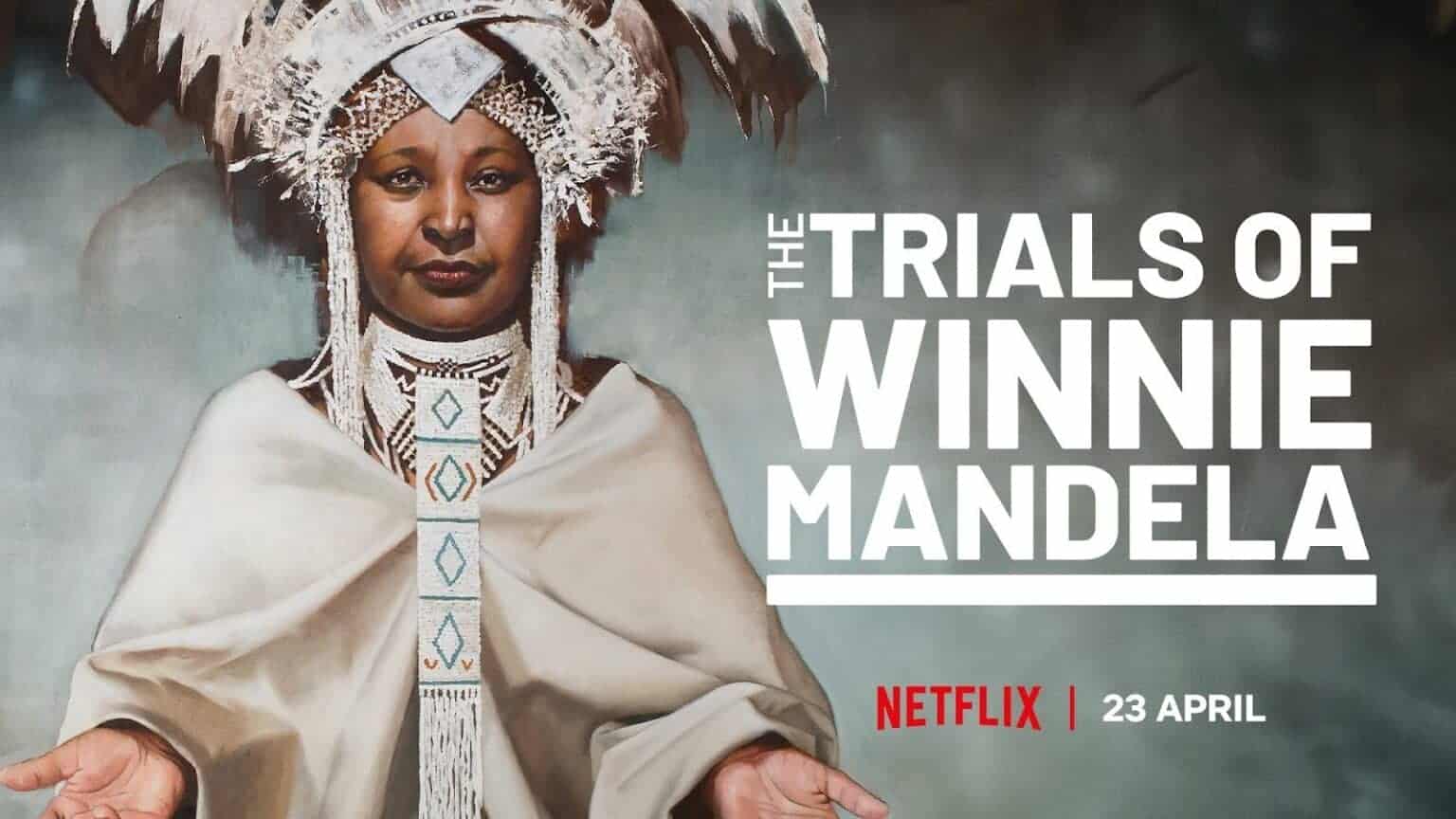
Winnie Madikizela-Mandela comes back to life next Thursday in a seven-part series on Netflix – that has taken 12 years to produce.
The Trials of Winnie Mandela has been a passion project for her granddaughters Zaziwe Dlamini-Manaway and Swati Dlamini-Mandela, good and bad, with tears, laughter and joy along the way.
Granddaughters share their grandmother’s story
No part of the “Mother of the Nation’s” life has been left unexamined, which is precisely what she wanted, they say. But, at the same time, it is also a personal journey for the women to whom Madikizela-Mandela was first and foremost their grandmother.
“I like to remember her as the best person I ever knew. She was my confidant, the person that I could rely on. I wish when I have my own grandchildren, that I adore them and love them as much as I did,” says Dlamini-Manaway.
But Madikizela-Mandela was also owned by the rest of the country, which Swati understands.
“Her legacy is the love of her people and the love of her community. Our grandmother was the last politician who lived and stayed in Soweto. She insisted on staying among her people.”
Madikizela-Mandela insisted, says Dlamini-Mandela, that her whole story be told, irrespective of how difficult it was.
Madikizela-Mandela’s story must be told, no matter how difficult it was
“My grandmother gave us permission to go there. She wasn’t afraid. Everything that you see in this series was there at her insistence. She was the one who said, ‘go, get this person, go and interview this person’. We had her approval and we had her input every step of the way.
“We told her we were not going to do this project unless she signed off on every single thing that we do. And she did.”
The project had its genesis in a prison diary. David Soggot, the lawyer who represented Madikizela-Mandela during her detention and trials, had encouraged her to keep a journal and when he died in 2011, his widow Greta returned it to Madikizela-Mandela.
“It was the day of my niece’s unveiling of her tombstone,” says Dlamini-Mandela, “and my grandmother came to me and she said: ‘Sweetie, I have this piece of work that’s been returned to me. I don’t know what to do with it. I’m giving it to you for you to decide what you do.’” Two years later, it was published as 491 Days: Prisoner Number 1323/69.
The Ichikowitz Family Foundation approached Madikizela-Mandela to turn it into a documentary as part of the foundation’s African Oral History Archive project, which has been recording the stories of South Africa’s leading figures who were instrumental in the country’s journey to democracy, since the early 1990s.
Her story in her own words
The importance of the project for the sisters is that it is their grandmother telling her life story in her own words. They have no doubt Madikizela-Mandela, who died in 2018, would be proud.
“It’s something that’s never been done before. She told us that in telling this story we would be ensuring that the women also have a say in the history of this country,” says Dlamini-Manaway.
Her sister agrees: “We’ve done a disservice to the youth of this country and the people of this country by not telling our stories enough. Our grandfather said that if we don’t tell the stories and if we don’t remember, we run the risk of going back there, and that’s not what we want.”
The title of the series The Trials of Winnie Mandela replaced the working title of In Her Own Words, because it plays on both Madikizela-Mandela’s given name Nomzamo and reflects the life she lived.
“Our grandmother spent her life on trial and there are many women today who are on trial in different trials in their lives. This documentary will be a beacon of hope for them,” says Dlamini-Manaway.
Lessons apply
The sisters believe the lessons of their grandmother’s life apply as easily to a young girl in Soweto to a woman in Ghana, or even a CEO in a Manhattan office.
“When you watch the documentary she talks about the meaning of her name, she says, ‘Why would my parents give me such a name when it means trials and I’m on trial, and then I’ve spent most of my life on trial’.”
They believe her story is even more relevant today than it’s ever been, but it must be protected.
“She’s the mother of this nation. We don’t want it to be lost because she sacrificed so much of her life to give to this country. There would be no Nelson without Winnie.”