Improved gas supply boosts generation capacity, as authorities push reforms to stabilise Nigeria’s fragile power sector…..
Nigeria’s power sector is showing early signs of recovery, with electricity generation climbing from 3,951 megawatts to 4,300 megawatts within a two-week period, according to the Federal Government.
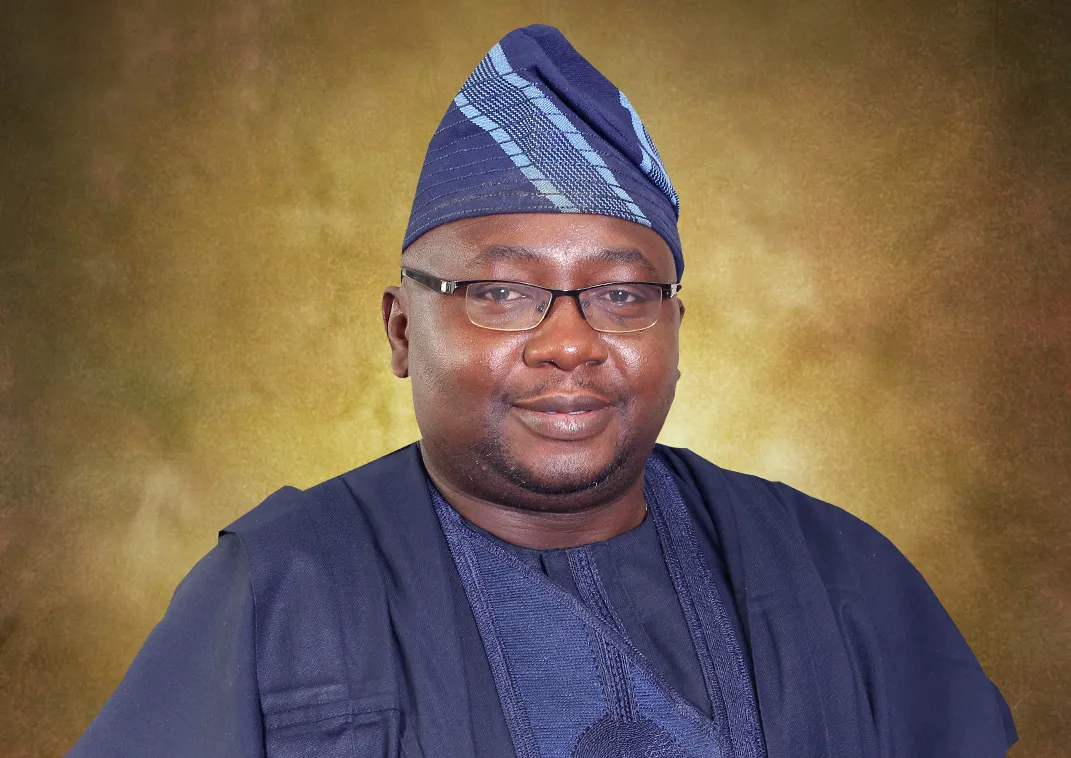
The update was disclosed in Abuja by Bolaji Tunji, Special Adviser on Strategic Communications and Media Relations to the Minister of Power, Adebayo Adelabu. The improvement, he said, reflects progress toward commitments made by the minister to boost electricity supply in the short term.
At the heart of the increase is a steady rise in gas supply to thermal power plants, the backbone of Nigeria’s electricity generation system. Gas availability grew from about 605 million standard cubic feet per day to over 704 million within the same period, providing the fuel needed to ramp up output.
Operational indicators also point to improving efficiency across the grid. Mechanical availability, a measure of installed capacity ready for use climbed to over 7,796MW in early April. Meanwhile, operational availability rose from roughly 4,208MW to a peak exceeding 4,694MW, suggesting better conversion of available resources into actual power generation.
Despite occasional dips in daily output, officials say the broader trend remains positive.
“The trajectory clearly shows gradual recovery,” Tunji noted, attributing the gains to improved coordination among stakeholders and more consistent gas supply to generation companies.
The development reinforces a long-standing reality in Nigeria’s energy mix: electricity output is closely tied to gas supply. Any disruption in the gas-to-power chain often translates directly into reduced generation.
To sustain the momentum, the government has set up a Gas-to-Power Monitoring Committee tasked with overseeing supply flows, resolving bottlenecks, and strengthening coordination between gas producers and power generation companies. The goal is to ensure that recent gains are not only maintained but expanded.
Authorities say the committee will play a critical role in delivering a more stable and reliable electricity supply, a key demand for households and businesses alike.
While acknowledging the progress, the minister cautioned that the sector still has a long way to go.
“We are not there yet,” Adelabu said, while assuring Nigerians that ongoing reforms and targeted interventions would continue to drive measurable improvements in the weeks ahead.
Beyond generation, attention is also turning to structural issues within the broader power ecosystem.
During a meeting with the new leadership of the Nigeria Electricity Management Services Agency, Adelabu called for increased efforts to boost internally generated revenue and reduce dependence on government funding. He also emphasised the need to expand meter testing centres nationwide and address the shortage of skilled meter installers.
The minister stressed that closing Nigeria’s metering gap remains essential to improving transparency, billing efficiency, and overall sector performance.
He further encouraged stronger collaboration with the National Power Training Institute of Nigeria to accelerate the training of technical personnel needed to support the sector’s growth.
As reforms continue and operational improvements take hold, the latest uptick in generation offers a cautiously optimistic signal, one that Nigerians hope will translate into more consistent and reliable electricity in the near future.