Nigeria’s digital transformation drive has received a major boost as the African Development Bank Group approved a 200-million-dollar loan to expand broadband access and create millions of jobs across the country.
The funding will be deployed through the Digital Value Chain Infrastructure for Boosting Employment project, also known as d-vibe, a flagship initiative aimed at strengthening the country’s digital economy and closing connectivity gaps.
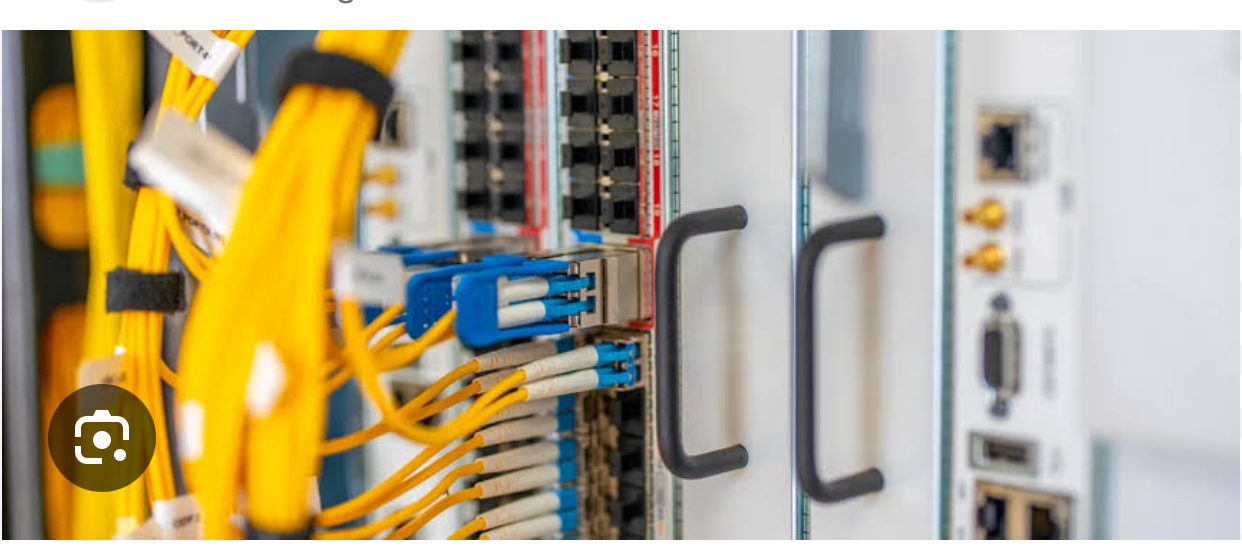
Under the project, Nigeria’s national fibre backbone will expand from about 30,000 kilometres to approximately 120,000 kilometres, extending connectivity to all 774 local government areas.
The expanded network will connect schools, health facilities, rural communities, agro-industrial zones and commercial hubs to high-speed broadband services, improving access and productivity nationwide.
It will also establish cross-border fibre connections with Benin, Cameroon, Niger and Chad, boosting regional digital integration.
The initiative will be delivered through a public-private partnership model, with private investors expected to hold a majority stake to accelerate implementation.
The AFDB loan forms part of a broader 800-million-dollar sovereign financing package, alongside support from the World Bank and the European Bank for Reconstruction and Development.
Total project funding is estimated at 2 billion dollars, with additional backing from development partners, private investors, and grants from the European Union.
The project is expected to generate up to 2.8 million jobs and increase Nigeria’s broadband penetration from 45 percent to about 70 percent by 2030.
Director-General of the AFDB Nigeria Office, Abdul Kamara, says the initiative will unlock opportunities across sectors, from agriculture and industry to education, by making high-speed connectivity accessible nationwide.
He adds that the project will equip young Nigerians with digital skills, improve access to affordable devices, and support innovation through digital platforms, while also promoting cybersecurity, market competition and the use of renewable energy.
The initiative aligns with Nigeria’s long-term development goals and continental priorities under the African Union’s agenda 2063.