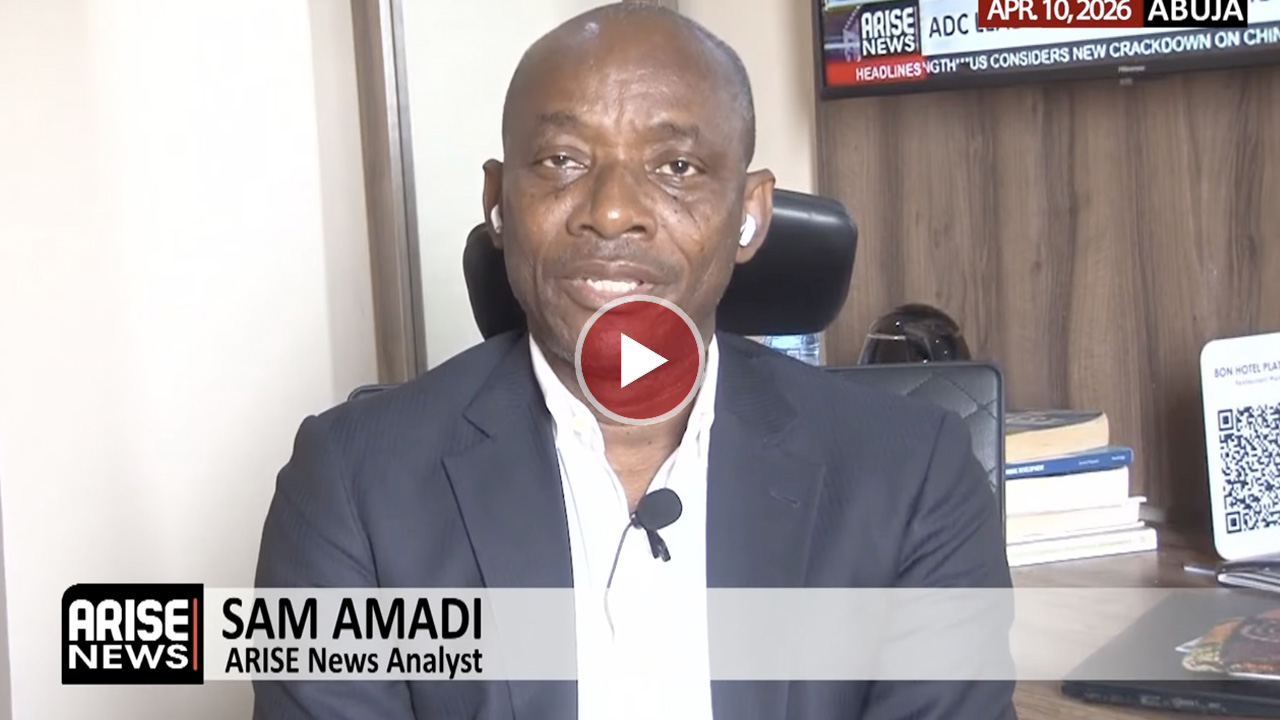
Sam Amadi, a legal scholar and political analyst, said Nigeria’s electoral system and judicial institutions have become central drivers of the growing instability within political parties, arguing that inconsistent rulings, unclear regulatory direction, and conflicting administrative decisions are worsening internal disputes and weakening party cohesion across the political space.
In an interview with ARISE NEWS on Friday, Amadi linked the escalating crises in parties such as the ADC and others to what he described as a systemic failure of clarity and authority in both INEC’s management of political parties and the courts’ handling of intra-party disputes, insisting that this institutional weakness has created incentives for factions to escalate disagreements rather than resolve them internally.
“INEC staffers provide conflicting decisions. Some lawyers will say it is right. So, basically, the lack of authoritativeness and due process and clear-minded clarity in INEC management of the parties incentivised disputants, people who have normal conflicts, I mean, that goes with party management, to externalise and accelerate and deepen those divisions.”
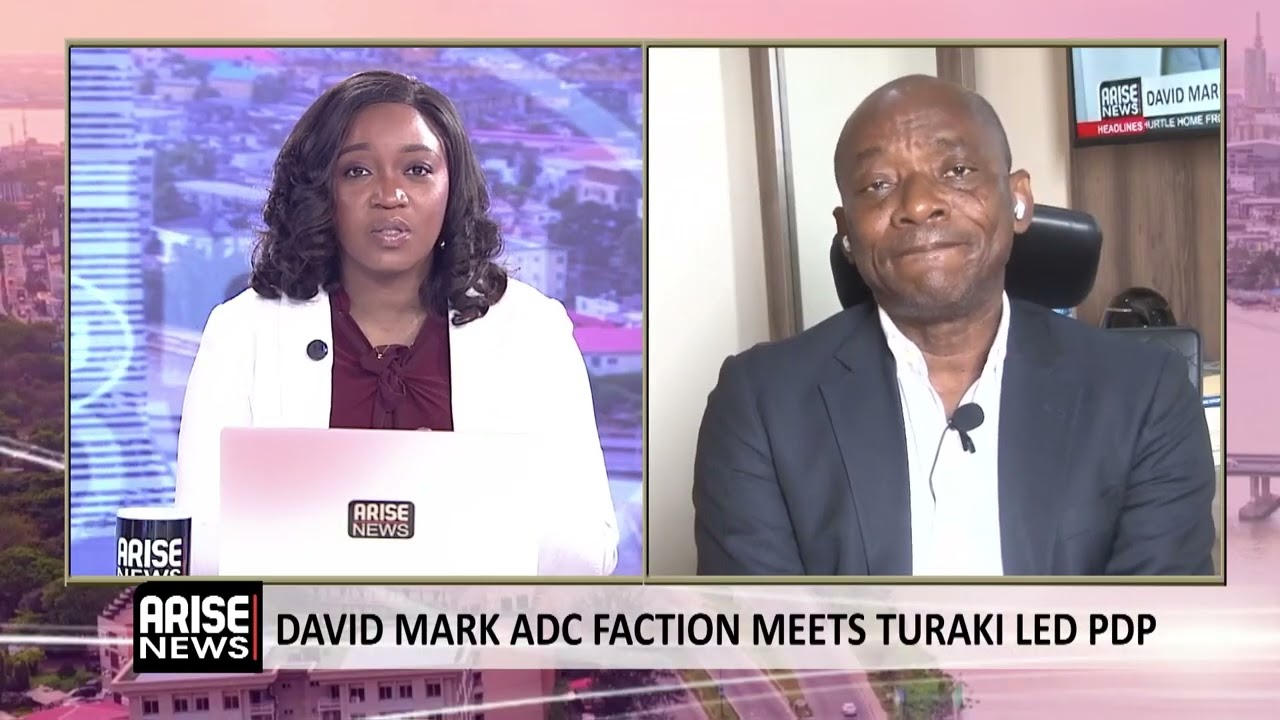
Amadi stressed that what should ordinarily remain internal party disagreements have now become prolonged institutional battles. “Amadi stressed that what should ordinarily remain internal party disagreements have now become prolonged institutional battles, as political actors increasingly move between INEC, the courts, and different legal interpretations in search of favourable outcomes rather than final resolutions.”
Amadi explained that the problem is not limited to electoral administration alone. “So, I think that the courts, through their weak interpretation, through their lack of clarity, Look at the Supreme Court decision. Oh, it’s an internal affair. It was not authoritative. The courts, through their weak interpretation, through their lack of clarity, “So, I think that internal errors, forced errors, unforced errors. There’s always a possibility that A or B can win.”
He argued that instead of stabilising political parties, the combined effect of INEC’s administrative inconsistencies. “INEC staffers provide conflicting decisions, So, basically, the lack of authoritativeness and due process and clear-minded clarity in INEC management of the parties incentivised disputants, to externalise and accelerate and deepen those divisions. Everybody thinks, OK, we can get a better option from INEC.”
Amadi further noted what the pattern has contributed to. “And so, that made the political actors have more incentive and able to hold the party to ransom, So I think that internal errors, forced errors, unforced errors, Clearly there’s something different than the past, we had PDP, we had APC, but this time it’s different, total incoherence everywhere. So, the court, INEC, and the politicians will be held responsible.”
He added that litigants often exploit gaps in institutional clarity to prolong disputes saying. “INEC staffers provide conflicting decisions.”So, basically, the lack of authoritativeness and due process and clear-minded clarity in INEC management of the parties incentivised disputants, to externalise and accelerate and deepen those divisions.”
Amadi concluded that both INEC and the judiciary, alongside political actors themselves. “INEC staffers provide conflicting decisions. So Clearly there’s something different than the past total incoherence everywhere.”
Erizia Rubyjeana