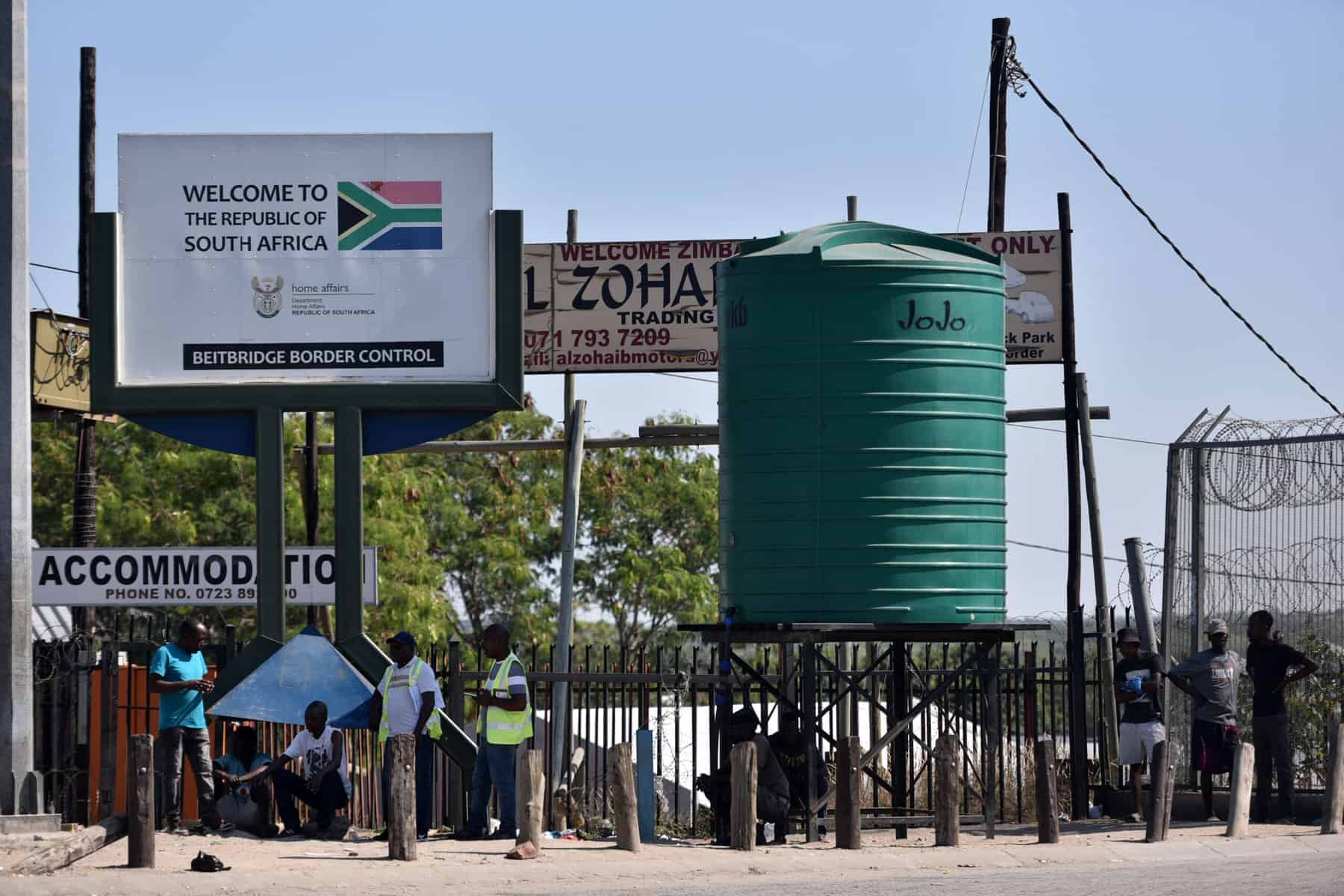
As the traffic at the Beitbridge Border Post between South Africa and Zimbabwe snaked as far as the eye could see at the conclusion of the Easter holidays, officials pulled over a taxi wanting to come into the country. What they found inside was heartbreaking and desperate.
Six children, without documents or parents. Either sent over the border to give them a better life or to unite them with a relative over the border.
The taxi driver claimed he had been paid by parents inside South Africa to bring their children over the border – even if it meant being caught in the process.
The taxi stopped on Monday was just one of dozens, perhaps more, that routinely take children over the border with little to no supervision. In January alone, more than 50 children were found at Beitbridge without their parents.
Whether it is the last throw of the dice for survival or a hoped-for family reunion, sending children alone over the border can be disastrous and life-threatening.
While it does not strictly fall under the border authorities’ definition of human trafficking, the act can quickly lead to it. Innocent and often naive children can be manipulated and held against their will, all at the whim of those their parents believe they have paid to safely protect them.
In the underworld of criminality, the lines between crimes can blur, and opportunists find a taxi full of victims to exploit.
A lack of documentation also means the faceless and nameless often become the forgotten and abused.
ALSO READ: A VIEW OF THE WEEK: Are they really on site investigating?
What are you sending them to?
If they do manage to make it over the border without detection, their final destination may be one of the country’s major cities. All in hope of a better life.
Sadly, a recent Stats SA report on child poverty paints a bleak picture of what may await.
While multidimensional child poverty declined in most provinces between 2015 and 2023, it remained highest in Limpopo, where Beitbridge is located and a first stop for many migrants.
Gauteng and two of its metros, the City of Johannesburg and Ekurhuleni, also saw increases in poverty and a lack of services or access.
For children below four, many young children live in households lacking basic services, with limited health care access and food insecurity. In fact, a lack of adequate access to healthcare affected more than half of all children.
50.3% of children living without proper waste disposal also points to the squalor that many struggle to break free from later.
The numbers are only slightly better for those aged between five and 12, with 49% of children still without access to proper healthcare. A lack of food, clean drinking water, and safety is also on the rise.
ALSO READ: A VIEW OF THE WEEK: We’re at war with each other over water, while officials pass the blame
Children at others mercy
Parents are meant to protect their children, even at the risk of their own lives, not gamble away their little ones’ future.
Border officials are right to intercept and send the children back, but the tragedy is what may happen before and after this intervention.
Six children intercepted may not seem like a lot, but they are six lives that may be changed forever if they fall into the wrong hands.
A nightmare no parent wants.