Currency markets stay cautious as Middle East tensions, oil disruptions, and rate expectations shape investor sentiment……
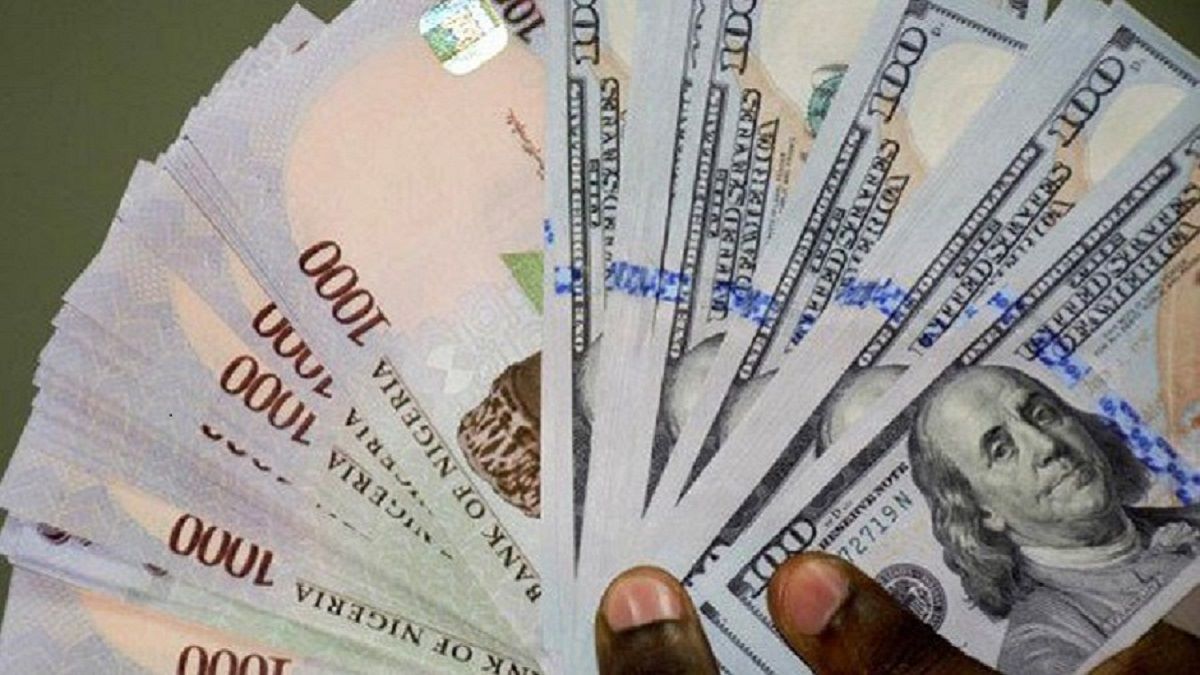
The Nigerian Naira traded at 1,379.50 against the U.S. dollar on Thursday, showing only a slight shift from its opening level of 1,378.98, according to figures from the Nigerian Foreign Exchange Market (NFEM).
Early trading activity remained relatively calm, with the currency briefly touching an intraday high of 1,380.00 before settling near its current level.
Globally, the U.S. dollar continued to show signs of weakness following recent losses, as investors weighed the stability of a fragile ceasefire between the United States and Iran.
Uncertainty around the agreement has kept markets on edge. The situation has been further complicated by ongoing military actions involving Israel and the Iran-backed group Hezbollah in Lebanon. Tehran has also accused both Washington and Tel Aviv of breaching the terms of the truce, casting doubt on the prospects for lasting peace.
Meanwhile, the Strait of Hormuz remains largely restricted, with access limited to vessels holding special permits. Shipping companies have reportedly held back from resuming operations, contributing to a renewed rise in global oil prices.
U.S. President Donald Trump stated that American military assets would remain deployed in and around Iran until full compliance with the ceasefire terms is achieved.
In broader currency markets, the dollar index tracking the greenback against major currencies such as the euro and yen was largely unchanged at 99.07.
The euro slipped marginally to $1.1661, while the British pound edged slightly higher to $1.3393. The Japanese yen gave up some of its earlier gains, weakening 0.15% to 158.81 per dollar following initial optimism around the ceasefire announcement.
Expectations around monetary policy are also influencing sentiment. Markets are currently pricing in a 55% chance of an interest rate hike by the Bank of Japan at its upcoming meeting later this month.
Despite recent volatility, the U.S. dollar has remained relatively supported throughout the conflict, partly due to America’s position as a net energy exporter making it less vulnerable to rising oil prices compared to major importers like Japan and several European economies.
The ongoing five-week conflict has significantly shaken investor confidence, contributing to one of the largest disruptions in global oil and gas supply in recent history.
Analysts note that the fragile ceasefire may still leave Iran with increased influence over shipping activity in the region, particularly through the Strait of Hormuz.
Looking ahead, stronger-than-expected U.S. economic data could provide a boost to the dollar, according to Akihiko Yokoo, a senior analyst at Mitsubishi UFJ Bank.
Elsewhere, the Australian dollar dipped slightly to $0.7039, while New Zealand’s kiwi rose 0.17% to $0.5832.
In the cryptocurrency market, Bitcoin fell 0.49% to $71,030.07, while Ethereum declined 1.06% to $2,186.50.
As global markets continue to react to a mix of geopolitical risks and economic signals, the Naira appears to be holding steady at least for now amid the uncertainty.