As winter approaches, the Motor Industry Staff Association (Misa) has welcomed the temporary R3 fuel levy reduction introduced by the finance minister to cushion motorists from the petrol price hike on 1 April 2026, but warned that the relief overlooks millions of vulnerable households.
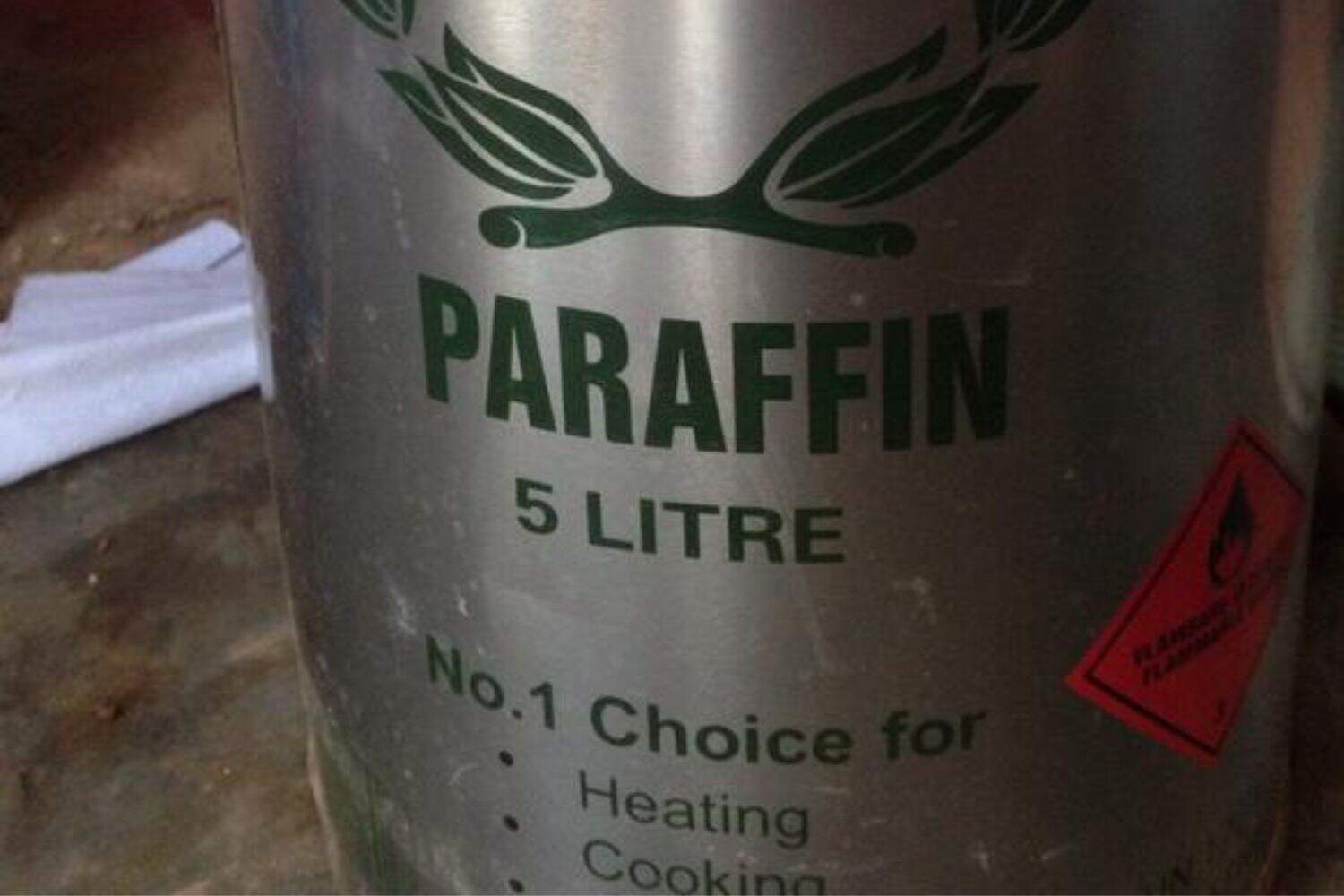
The association is calling on the government to urgently extend support to illuminating paraffin, widely used by low-income households for cooking and heating, arguing that the absence of relief will deepen pressure on poor families just as colder weather begins to set in from May.
The price of illuminating paraffin increased by R11.67 per litre on 1 April, with the data from the Central Energy Fund (CEF) forecasting a R10.70 per litre increase in May.
Paraffin is the primary source of energy for many
Martlé Keyter, Misa CEO of operations, said that paraffin remains primary source of energy for many people in the country and its high price will only make things worse for already struggling families.
“Paraffin is the primary source of energy for millions of South Africans who use it for cooking, heating and lighting. It is a basic necessity for the poorest of the poor,” she said.
“The doubling of its price threatens to deepen energy poverty, exacerbate food insecurity and strip vulnerable households of their dignity. Families already struggling to survive will be forced into harsher conditions, with limited alternatives available to them.”
Relief package including paraffin
Keyter said it is important for the government to implement a broader relief package that prioritises affordability of paraffin, petrol and diesel, as it looks like May is holding another increase for South Africans.
“Practical measures could include targeted subsidies for paraffin to protect low income households, price stabilisation mechanisms to prevent extreme fluctuations, investment in alternative energy solutions for vulnerable communities and to extended fuel levy reductions beyond May,” she said.
“The price hikes created a global humanitarian crisis. Our government must act decisively to shield the poorest households from the devastating impact of unaffordable energy.”
Brent crude oil drops
Brent crude oil prices fell after reports of a two-week ceasefire between the US and Iran eased concerns about disruptions to global supply.
The decline, driven largely by market reaction to reduced geopolitical risk, could translate into lower fuel prices for motorists in South Africa if the trend holds.
Professor Bonke Dumisa, an independent economic analyst, noted that on Wednesday, Brent crude oil opened at $94.59 per barrel, compared to Tuesday’s opening price of $111.3.
Opening of Strait of Hormuz
“The major reason for this sudden drop in the crude oil price is because of the temporary two week cessation of military attacks on Iran, “he said.
“And the resultant opening of the Strait of Hormuz has given hope that there may be an increase in crude oil production because more tankers will be able to cross the strait.”
Dumisa also noted that the rand opened relatively significantly stronger against all the three major foreign currencies. The rand opened at R16.41/US$ against the US dollar, it also opened at R22.03/£ and at R19.19/€.
“The gold price opened relatively significantly high at $4 815, compared to yesterday’s opening price of $4 653. I think this significant rise in the gold price today is both as a safe haven and also speculative.”