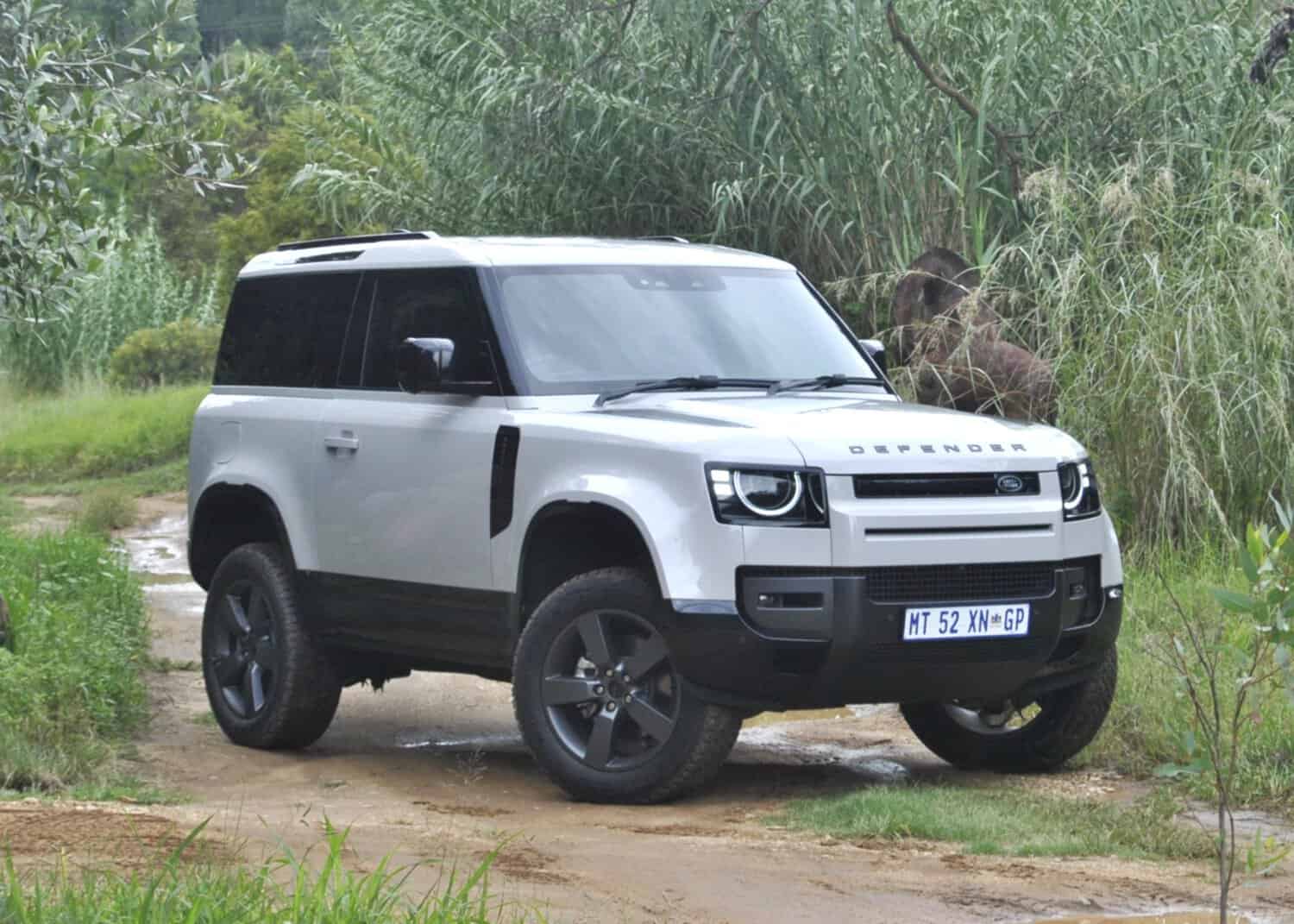
Viewed in isolation, the short-wheelbase Defender 90 can be seen as an outdated body style that should never have been part of the modern Defender range.
A niche no longer there
Aside from perhaps the Jeep Wrangler and to a lesser extent, the Suzuki Jimny, the affectionately nicknamed shorty Defender competes in a segment long abandoned.
ALSO READ: JLR spruces ‘Land Rover’ Defender up once again inside and out
Mitsubishi’s ending of the Pajero halted the short wheelbase three-door, Toyota left over two decades ago with the limited run Prado SWB, and Nissan did likewise with the Terrano II.
As such, the investment that brought the Defender back to life in 2019 could be argued as having been wasted on the 90 when taking the practical benefits and broader appeal of the long wheelbase 110 into account.
Justified
The other side of the coin is that the 90 is still a favourite among aficionados when the terrain gets tight off-road.
Its short rear overhang and more compact dimensions than the 110 make it more adept and agile when traversing the rough stuff.
As such, its inclusion in what was previously known as the Land Rover Defender range is justified, despite its niche appeal.
End of the four-cylinder
The arrival of the 90 for the weeklong test coincided with yet another round of updates applied to the Defender range last year.
In this regard, the local line-up loses the conventional four-cylinder engine, sans the plug-in hybrid P400e.
Base of the base
Of even more interest is that the test unit represented not only the entry-level 90, but also the entire Defender range.
Priced at R1 839 400 before options, the D250 X-Dynamic SE is, therefore, the cheapest way into the Defender lifestyle.
The replacement for the four-cylinder D240, the D250 gets the lowest tuned version of the 3.0-litre Ingenium turbodiesel engine, which itself has been upgraded to D350 form in higher-up derivatives.
Out of the city
An opportunity to get reacquainted with the most basic Defender since sampling the D240 S in 2021, the weeklong tenure also came with a hastily devised plan of putting it through its paces in two different environments.
The first involved a visit to the Jaguar Land Rover Experience in Lonehill, and the second a road trip into central South Africa away from city life.
What has changed?
On first glance, the various updates require a keen eye as seemingly little has changed since the Defender’s high-profile launch seven years ago.
New across all variants are blackened taillight clusters, a black finish for the upper grille, new LED headlights and restyled front and rear bumpers.
Down the side, Defender parent company JLR has applied a textured finish to the side vents and intakes on the bonnet, while changing the Land Rover badge on the grille’s colour from green to black.
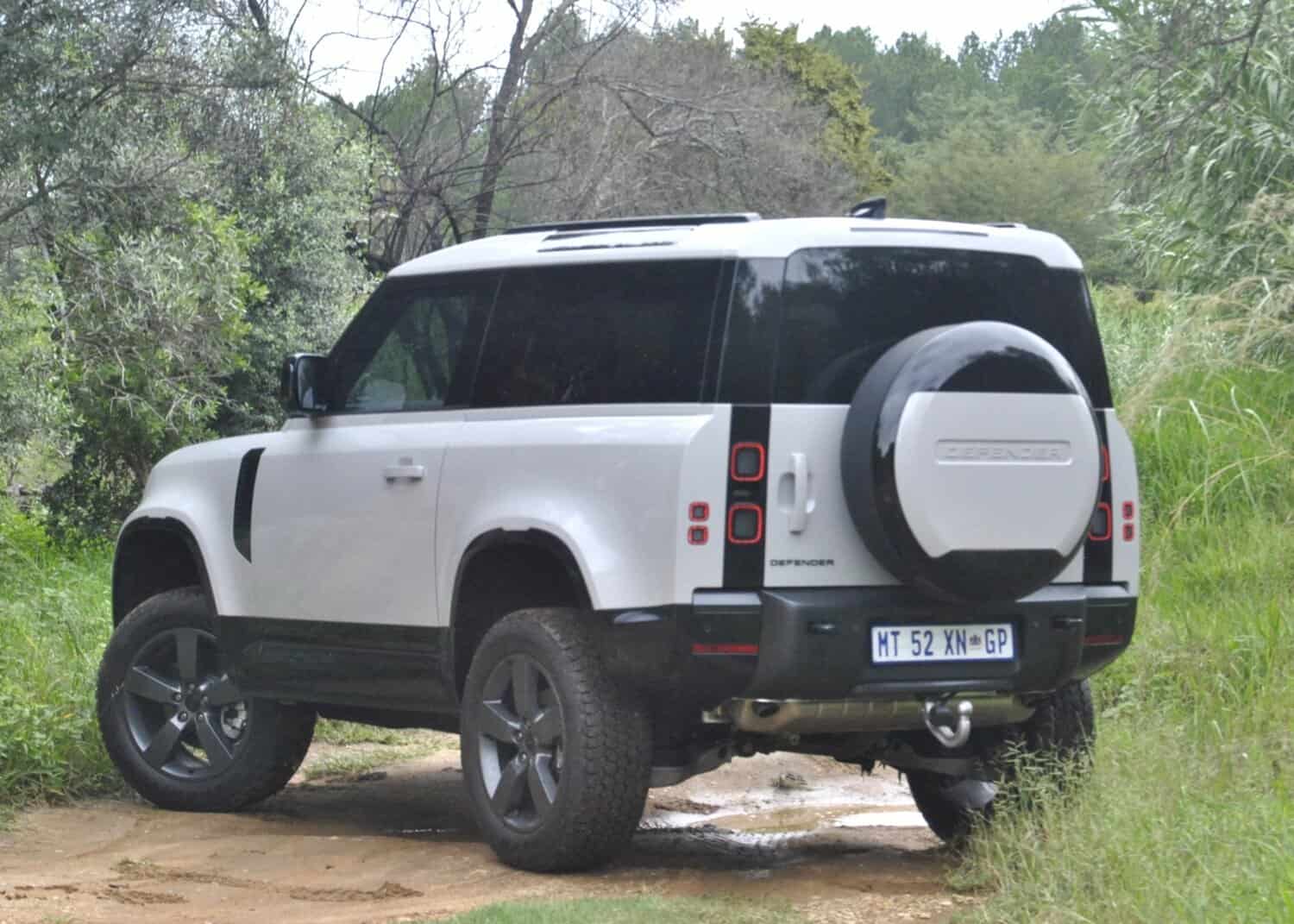
A further new addition, which the test arrived in, is a colour called Borasco Grey and darkened alloy wheels.
While 19 inches are standard, the test unit sported the optional 22-inch wrapped in Goodyear Wrangler all-terrain tyres.
Whereas its predecessor famously sported painted steel wheels, the most basic Defender appears upmarket and anything but entry-level.
A move that will please but also irk some who appreciated the basic and rugged look of the S, the X-Dynamic is still purposeful in appearance, as well as chunky.
Inside
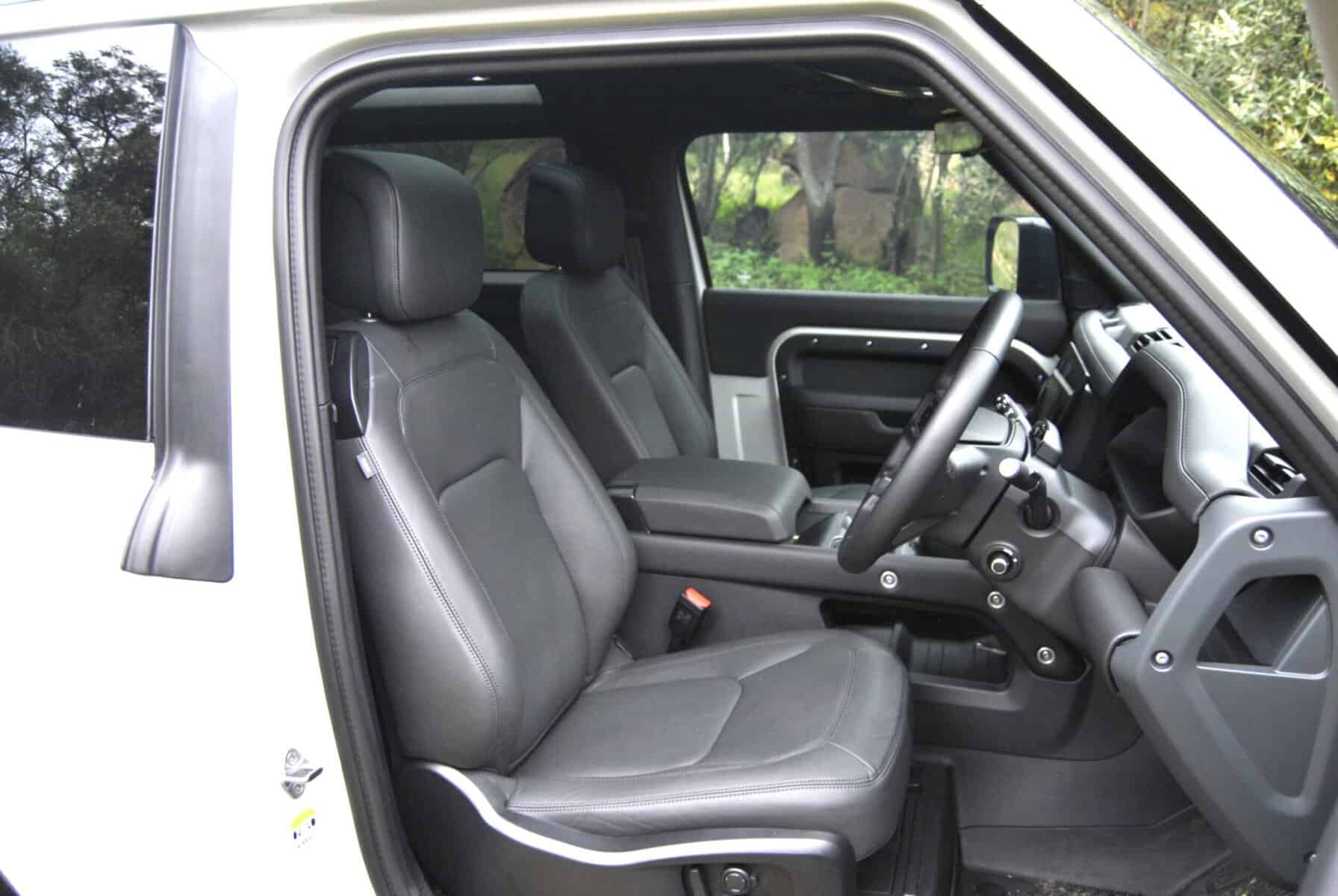
The three-door, encouraging a more playful persona than the 110 and 130, the most basic Defender is also anything but underequipped or stocked inside.
As part of the refresh, the centre console has been restyled, the materials upgraded, and the Pivi Pro infotainment system increased in size to 13.1-inches.
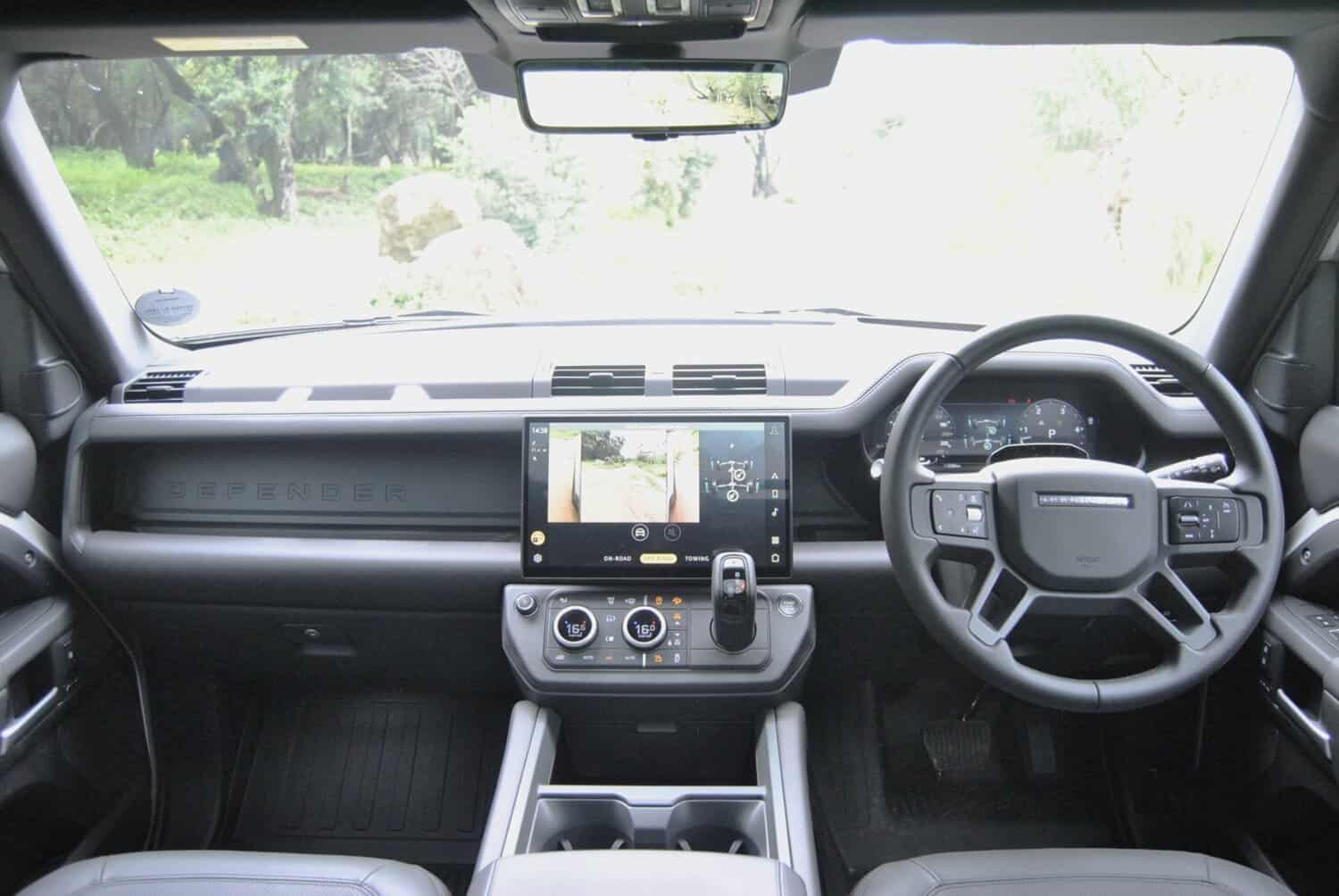
A system that remains one of the best and easiest to understand in the market today, the cabin is as functional and ergonomically sound as ever, thanks to physical buttons below the display and on the steering wheel.
In addition, build quality doesn’t disappoint, as the materials are a mix of soft and slightly harder, solid plastics that align with the X-Dynamic SE’s more or less plusher focus.
A further boon is the retention of a physical volume button for the superb Meridan sound system.
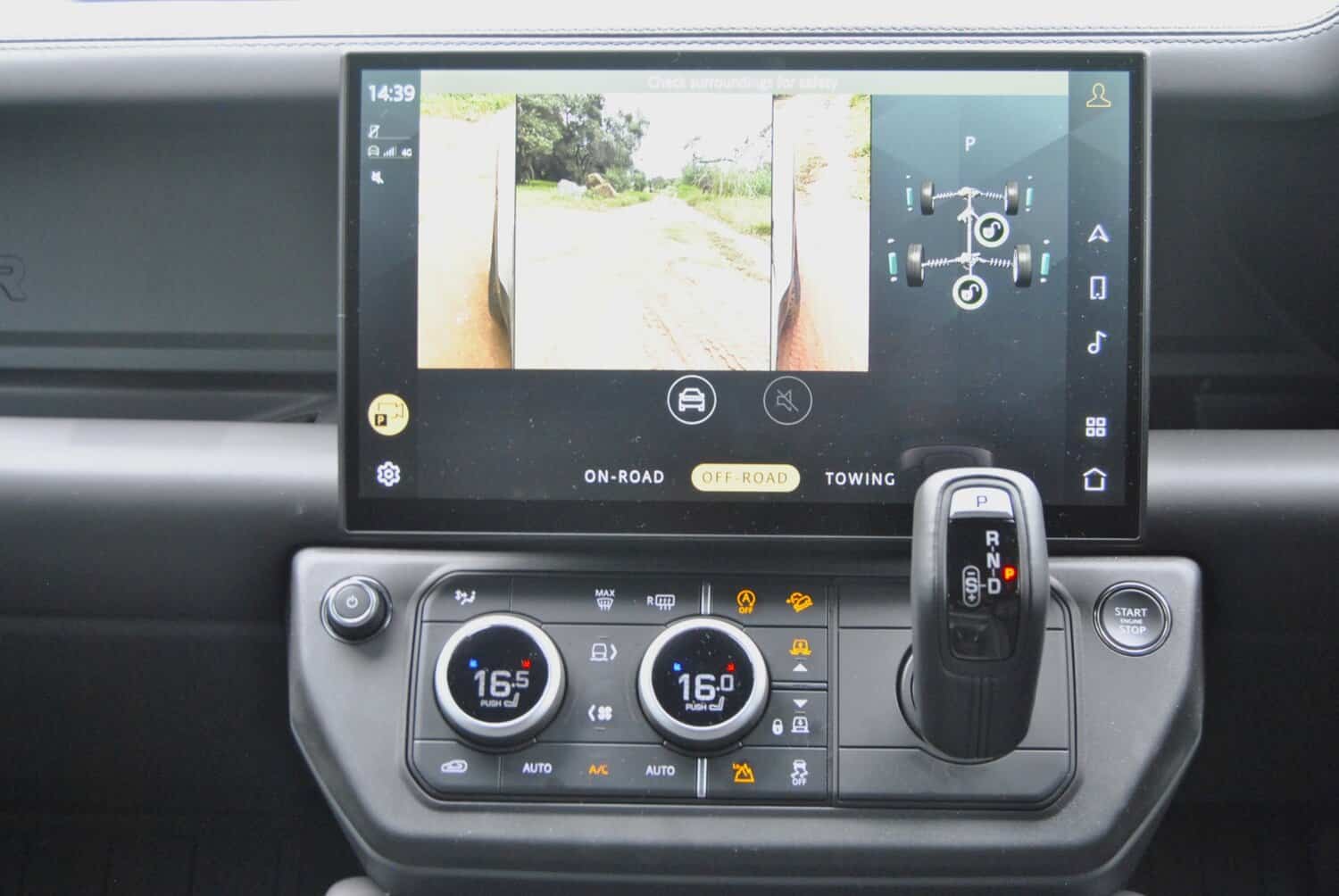
However, its location on the passenger side, instead of having been moved for right-hand drive markets, requires some stretching.
More of an initial concern is the new Driver Attention Alert mounted on the steering column.
Fortunately, this can be switched off and isn’t as intrusive or oversensitive as on most Chinese vehicles driven to date.
The question of practicality…
As much as comfort isn’t found lacking at the front, the shorty Defender’s biggest surprise is rear passenger accommodation.
While entering from the driver’s side isn’t ideal, as this requires the seatback to be moved electrically, the passenger’s seat folds forward with a tug of the handle.
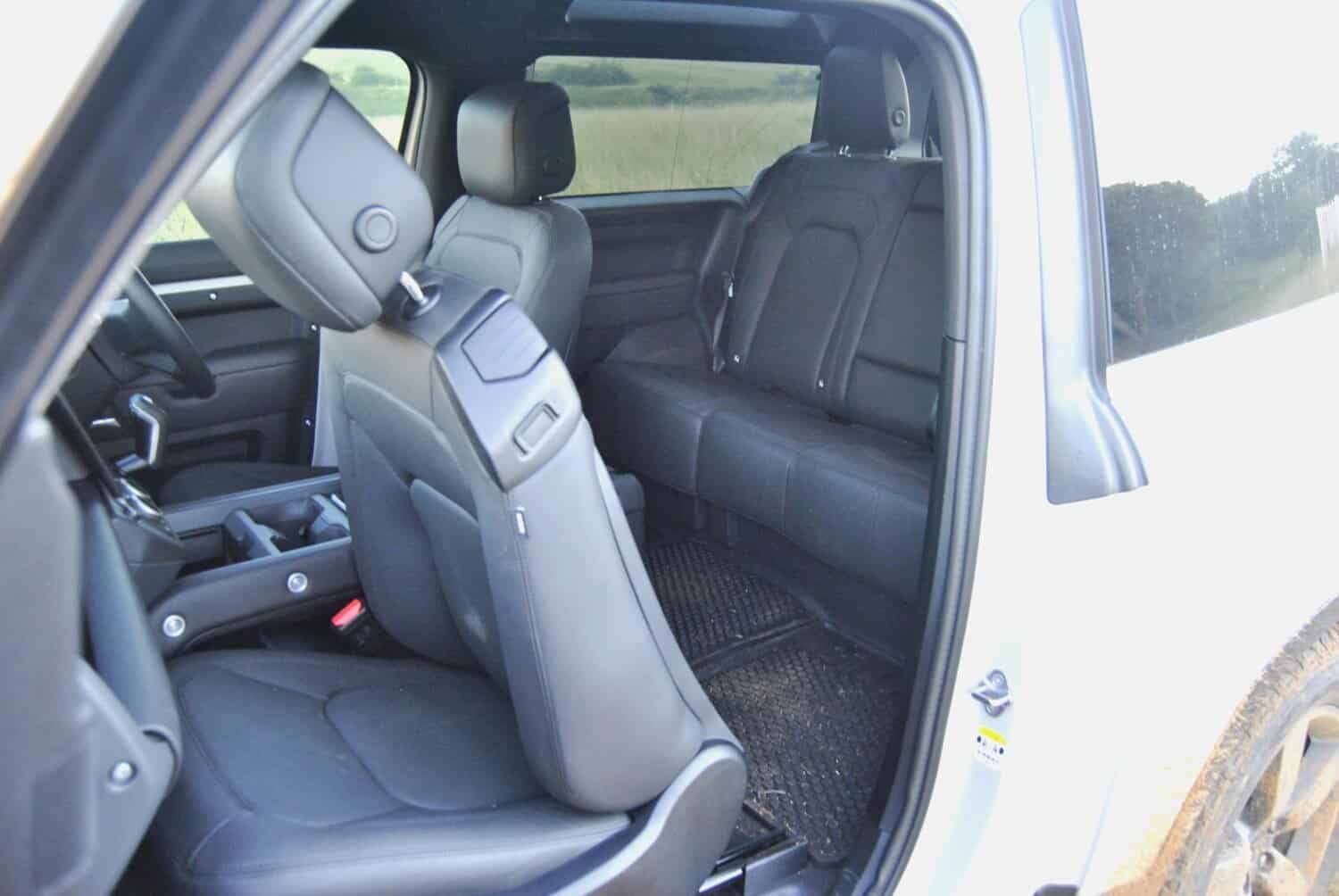
With the seat back in place, legroom is still impressive. However, even with the rear climate control vents, panoramic sunroof and the pair of skylight glass panels integrated into the roof, headroom is slightly pinched, but only just.
Understandably, opening the tailgate leaves little in the way of space with the rear seats up.
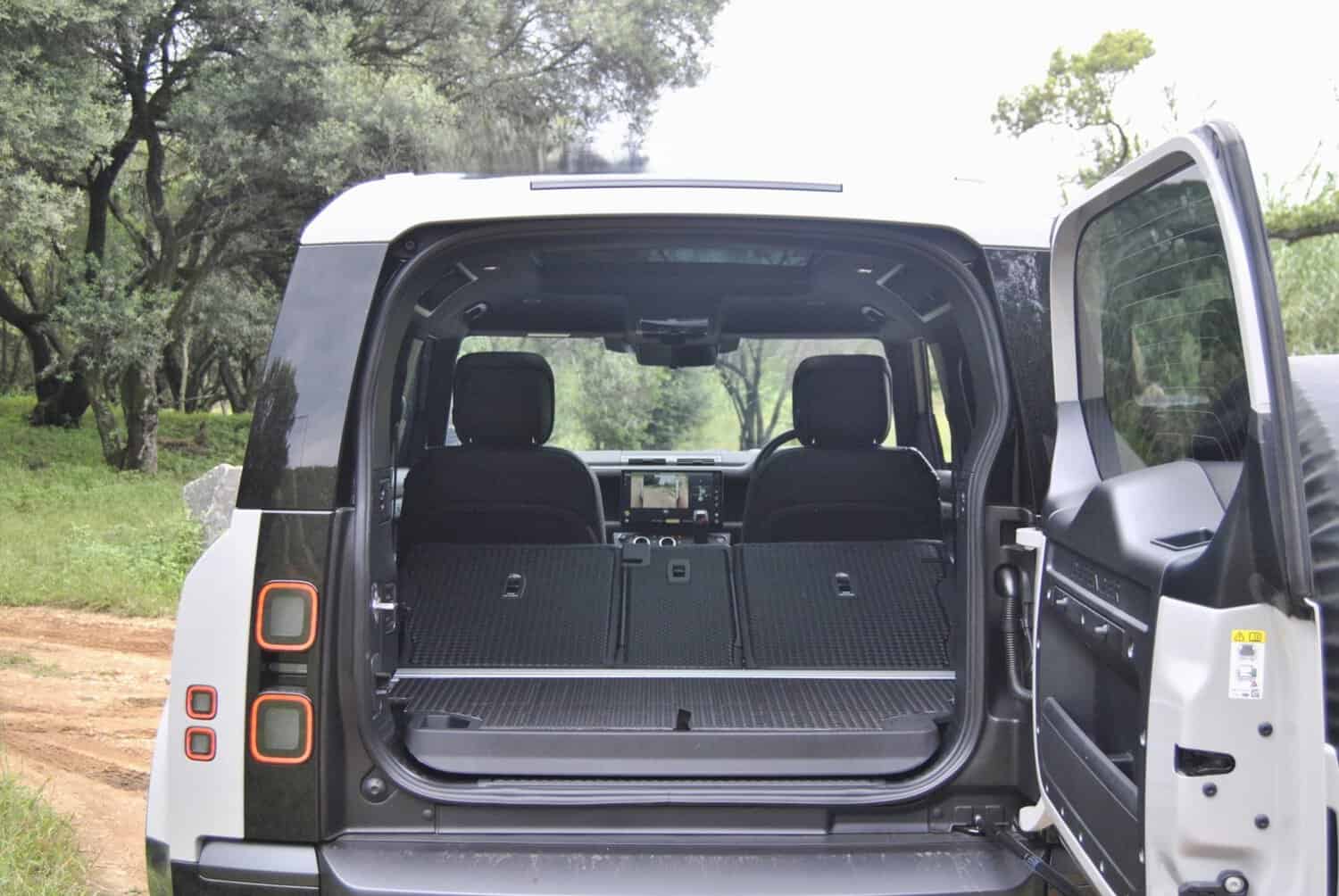
The floor is, however, rubberised, and with the rear seats dropped, boot space increases from 297 to 1 263-litres.
Another welcome reintroduction is a soft-touch closing function for the tailgate, similar to the doors of the Mercedes-Benz S-Class.
A plan that partially happened
Taking the Defender into its natural habitat is where its talent shows.
As with the entire range, the X-Dynamic SE is equipped with locking rear and centre differentials, the transparent bonnet-view camera and the Terrain Response 2 four-wheel drive system.
In total, the latter has six modes: Grass/Gravel/Snow, Mud, Sand, Rock Crawl and Wade.
Combined with the Eco and Normal drive modes, air suspension is also standard, as is adaptive Hill Descent Control.
Immediately activating the Off-Road view of the surround-view camera system in any off-road setting, the visit to the JLR Academy proved somewhat unfortunate.
Due to unforeseen circumstances, the time of arrival fell in line with the centre’s demanding Kingsley Holgate off-road course being occupied with Defender clients and driver training.
As such, properly testing the Defender 90 had to be scaled down to avoid impeding the progress of those using the track. Yet, it still felt capable and agile.
On the move
Heading out on the open road is where the 90 struggles, but again, only just.
Tipping the scales at 2 200kg, the Ingenium straight-six oil-burner feels somewhat underpowered and not as perky as its badge, denoting 250 pferdestarke (PS) or 183kW/570Nm, suggests.
Instead, it needs to be worked a bit to extract the most of the Defender, unlike the D350 sampled last year in the admittedly much heavier Discovery D350.
Despite the low-down lag, once up to speed, the engine performs quietly and is almost perfectly matched to the industry-standard ZF-sourced eight-speed automatic gearbox.
Thanks to the air suspension, which can raise the ground clearance to 290mm, ride quality is spot on and imperfections on the notoriously poorly maintained Free State roads are well dampened to the point of failing to upset the ride at all.
Limited time at the academy meant an alternative had to be found to take the Defender off-road.
On the many farm routes, waterlogged in places due to the heavy rain, no obstacle was presented as the suspension easily ironed out badly rutted sections without resorting to low range.
Consumption
As for fuel consumption, the seven-day and 973km resulted in a best of 9.2L/100km, well below JLR’s optimistic eight litres per 100km claim.
Conclusion
Sticking with the 90 while the 110 and the 130 account for the volume drivers has ultimately paid dividends for JLR and Defender.
With no direct competition, the shorty Defender still makes a compelling case when it comes to off-roading.
Not as practical as its siblings on a day-to-day basis, it is more of a heart-than-head buy, albeit an expensive one at nearly R2 million.
As a way of standing out, even the 110 struggles to match, the 90 has its virtues, but at a price some will find difficult to justify for a three-door when alternative five-door options from other brands can be had for a lot less with the same level of prowess on and off-road.
NOW READ: Land Rover Defender D300 X offers best of both worlds