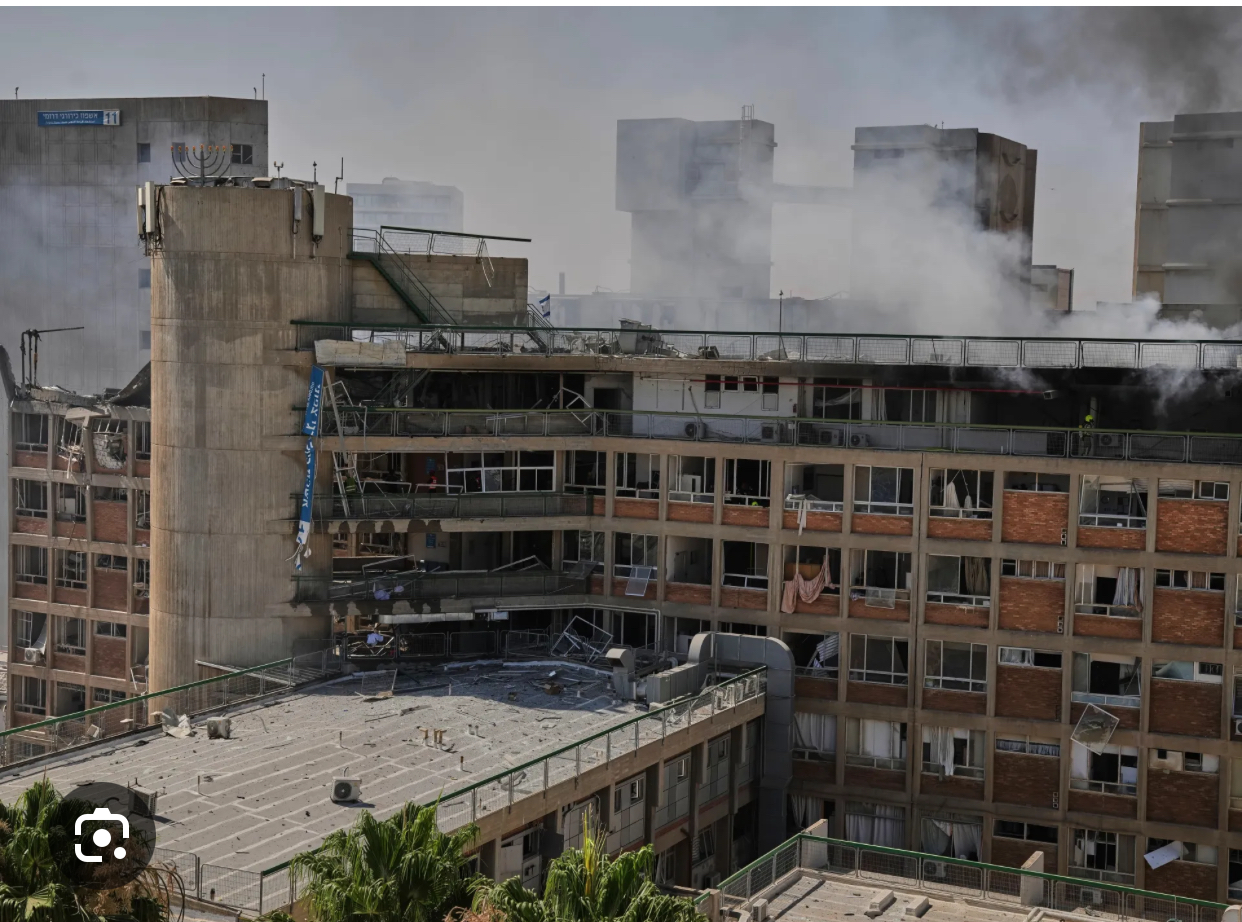
Concerns are mounting over the safety of health infrastructure in Iran as the World Health Organisation (WHO) and the United Nations Development Programme (UNDP) report a series of attacks on medical facilities in Tehran and other locations, warning of growing risks to essential healthcare delivery amid ongoing conflict.
In a statement shared on X on Thursday, WHO Director-General, Tedros Ghebreyesus, said recent strikes have damaged hospitals, research centres, and pharmaceutical facilities, raising alarm over the safety of health infrastructure.
He noted that among the affected institutions is the Pasteur Institute, one of Iran’s oldest and most prominent medical research centres, established in 1920 and recognised for its long-standing contributions to medical research and emergency response. Two of its departments also serve as WHO collaborating centres.
According to Ghebreyesus, the facility sustained significant damage in the attacks, disrupting its ability to continue providing health services.
UNDP Administrator, Alexander De Croo, also condemned the reported incidents, describing them as deeply troubling. He said the organisation is “gravely concerned by reports of damage to health facilities in Iran, including the Pasteur Institute”, stressing that health infrastructure and personnel must be protected under international humanitarian law.
He warned that damage to such facilities risks disrupting critical services, particularly for vulnerable populations who rely on consistent access to care.
Other health facilities were also reported affected. Ghebreyesus said the Delaram Sina Psychiatric Hospital was struck on 29 March, while the Tofigh Daru pharmaceutical plant, which produces treatments for cancer and multiple sclerosis, sustained damage in a separate incident on 31 March.
Although no fatalities were recorded in these specific attacks, he noted that repeated strikes are severely affecting health service delivery and placing both patients and medical workers at risk.
Since 1 March, WHO has verified more than 20 attacks on healthcare infrastructure in Iran, with at least nine reported deaths, including a health worker and a member of the Iranian Red Crescent Society.
Incidents have also been recorded outside Tehran, including an explosion near Imam Ali Hospital in Andimeshk, Khuzestan Province, on 21 March, which led to the evacuation and suspension of services at the facility.
Ghebreyesus warned that continued attacks on healthcare systems are worsening the humanitarian situation, adding that “peace is the best medicine”.