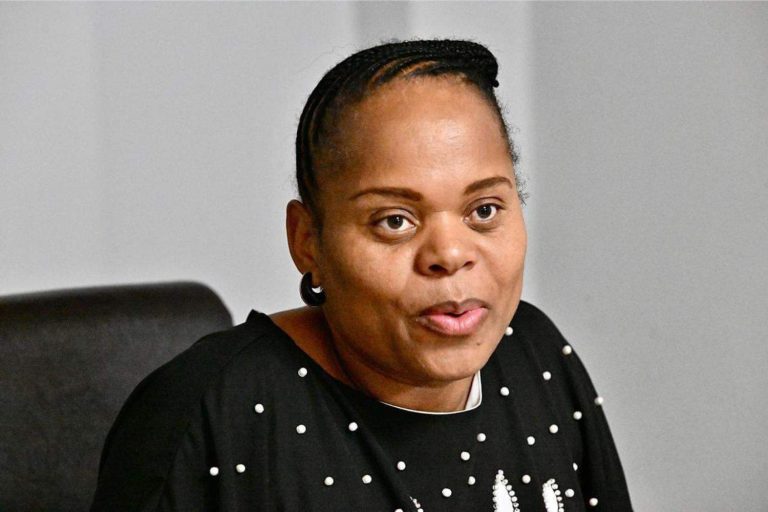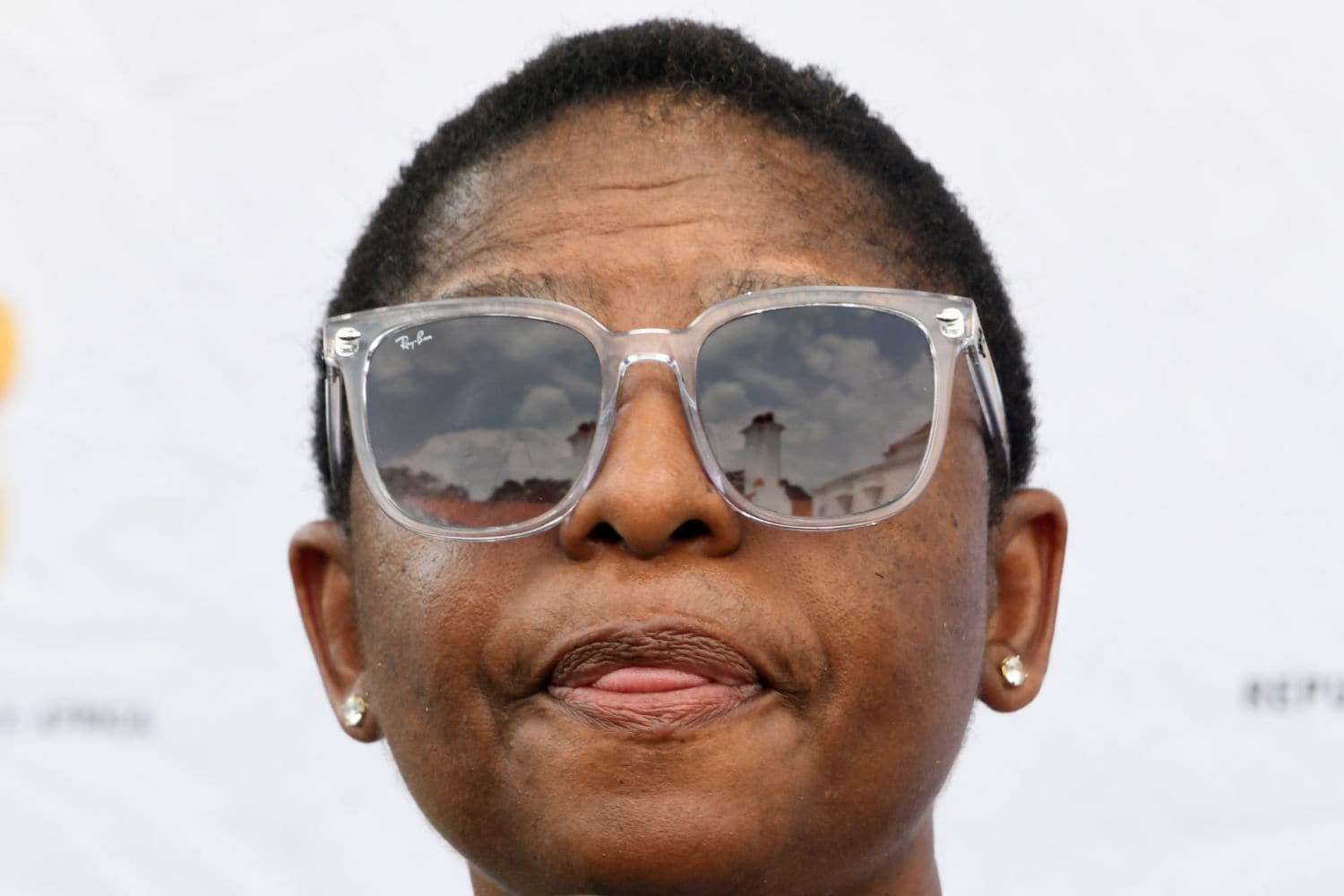
Minister in the Presidency Khumbudzo Ntshavheni has stressed that the South African government is seeking to tighten how refugee status is granted.
Speaking during a media briefing on Thursday, 2 April 2026, Ntshavheni outlined Cabinet’s latest decisions, including approval of a revised white paper on Citizenship, Immigration and Refugee Protection (CIRP).
Cabinet approves revised immigration white paper
The draft white paper signals a major shift in South Africa’s migration and citizenship system.
First published for public comment in December 2025 by the Department of Home Affairs, the policy proposes merging three key laws – the Citizenship Act, Immigration Act and Refugees Act – into a single framework.
According to government, the aim is to eliminate inconsistencies in existing legislation while modernising the system.
ALSO READ: South Africa’s new immigration policy takes a digital direction – will it succeed?
Proposed changes include incorporating visa reform recommendations from Operation Vulindlela, improving policy implementation, and accelerating digital transformation within immigration processes.
The policy also introduces mechanisms to align immigration with economic and national security priorities.
Among these is the provision for departments to reserve certain sectors of the economy for South African citizens, while still recognising the rights of asylum seekers to work and sustain themselves.
First country of safety principle
Another aspect of the white paper is the “first country of safety” principle, which emphasises that people fleeing conflict should seek refuge in the nearest safe country.
Ntshavheni explained that the country’s approach differs from countries that operate refugee camps.
“You’ll recall that South Africa does not provide refugee camps,” the minister remarked.
READ MORE: Victory for asylum seekers: High Court declares parts of Refugees Act unconstitutional
She highlighted that refugees and asylum seekers in South Africa are instead integrated into society and allowed to work – provided they are properly documented.
“The first country of safety principle is guided by the UN. It states that in situations of conflict, people are allowed to leave their countries and go to the next country where there is no conflict, where they can be granted refugee status and protection.
“Even if they arrive without proof of identification, they must be registered, accommodated, and given some level of recognition.
“Why? Because sometimes they have to flee when there’s an attack with nothing but the clothes on their backs – and that is important,” Ntshavheni told reporters.
South Africa not a destination for conflict refugees
Ntshavheni suggested that South Africa’s geographic location meant that it is not a primary destination for people fleeing active war zones.
“There’s no war in Botswana. There’s no war in Lesotho. There’s no war in Zimbabwe. There’s no war in Namibia.
“There’s no war in Mozambique. Even if you go slightly further, there’s no war in Zambia. There’s no war in Malawi.”
READ MORE: Back to court for Zimbabwean permit holders seeking to stay in SA
She added that individuals displaced by conflicts, such as those in Sudan, are encouraged to seek refuge in neighbouring countries rather than travelling long distances.
“We don’t have what we call political refugees.
“So, the white paper is aimed at making sure that we then regulate that arrangement of who gets admitted as a refugee here.”
Economic migration under scrutiny
The minister, however, acknowledged that South Africa has previously made exceptions on humanitarian grounds – particularly during Zimbabwe’s economic crisis.
“You’ll remember when Zimbabwe had an economic meltdown and the period of extended drought periods, we admitted people as economic refugees at the time when we introduced the Zimbabwean special permit.
“We admitted them because it’s inhumane to sit in your country and allow your neighbors to die when you can assist.
“But the question that we have is that does the economic situation still warrant economic migrants in the country? So the white paper deals with those issues.
“I don’t want to say who doesn’t qualify to be here because of that definition, because you then say Minister Ntshavheni is mobilising against this grouping, that grouping, and then I’ll be accused of xenophobia.”
NOW READ: Court slashes sentences of Tanzanian nationals, orders deportation