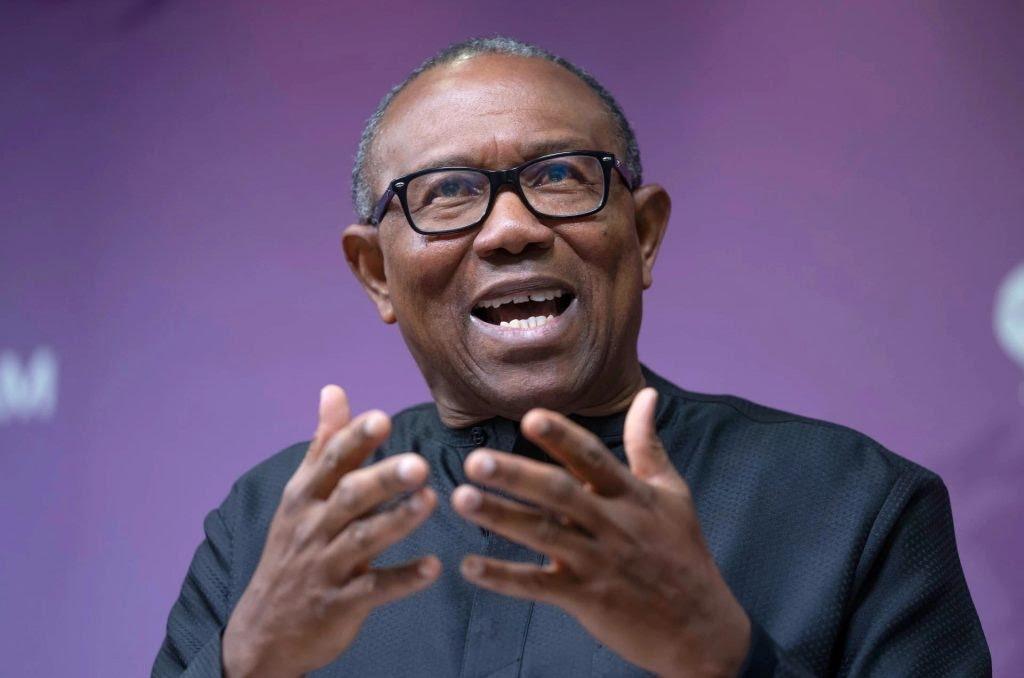
Former Labour Party presidential candidate Peter Obi has criticised the administration of Bola Ahmed Tinubu over the ongoing leadership crisis in the African Democratic Congress (ADC), describing the situation as a threat to democratic values.
In a post shared on X (formerly Twitter) on Thursday, Obi expressed concern over what he described as a contradiction among political actors who once championed democracy but are now allegedly undermining it.
He drew parallels with Nigeria’s past under military rule, particularly the era of Sani Abacha, noting that some individuals who opposed authoritarianism at the time now appear to be acting contrary to those principles.
Obi said it was troubling that figures associated with the pro-democracy movement, including the National Democratic Coalition (NADECO), are being accused of actions that weaken democratic institutions. He added that the situation reflects how political power can influence character and governance.
“Yesterday defenders of democracy, today’s destroyers. What a shame.
What an irony of history, that the acclaimed defenders of democracy and human rights who claimed to have fought for democracy during the era of General Sani Abacha now find themselves worse than the man they opposed.
Today, General Sani Abacha, once presumed face of oppression, will be remembered as seemingly more democratic and more respectful of human rights than the so-called champions of activism from the NADECO days. Power indeed reveals character.”
Obi’s comments come in response to recent actions by the Independent National Electoral Commission (INEC) concerning the ADC leadership dispute.
The electoral commission removed the names of former Senate President David Mark and former Osun State governor Rauf Aregbesola from its official portal as National Chairman and National Secretary of the party, respectively.
INEC also declined to recognise Nafiu Bala Gombe, who is seeking to be declared national chairman through legal action.
In addition, the commission announced the suspension of recognition for all factions within the party and stated that it would not monitor any congresses or conventions organised by the rival groups pending the outcome of a substantive case before the Federal High Court.
The development has intensified political reactions, with concerns growing over its potential implications for Nigeria’s multi-party system and democratic stability.