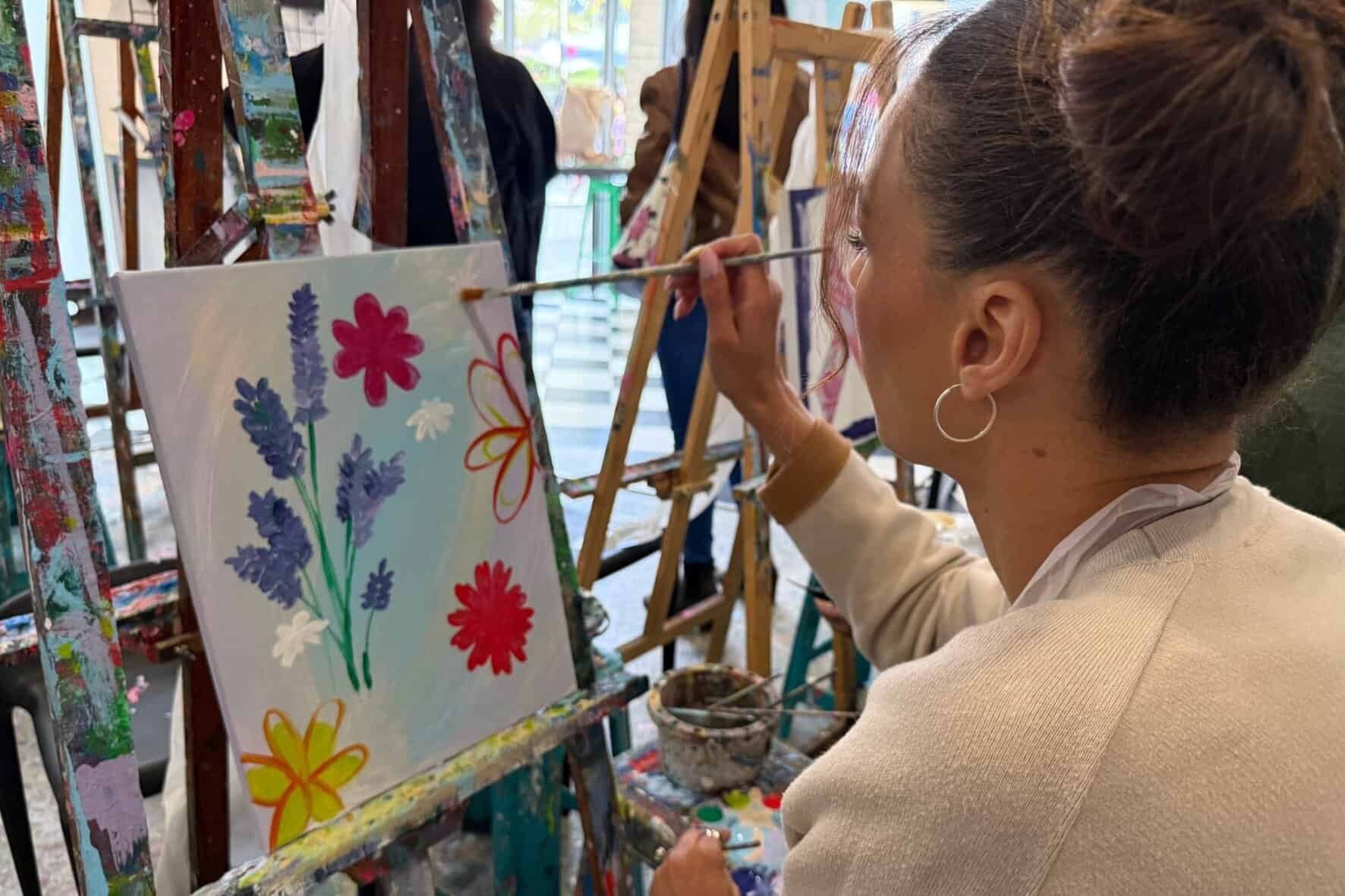
Art or just being creative, for that matter, can be seriously good for you. Research indicates this, and it seems you do not have to be a Picasso or Monet to land the benefit. All that’s needed is an instrument to make your marks, a surface, whether canvas or paper, and even some play dough, and off you go.
Making art, so to speak, is not really about the end product when you take it up to put some perspective between you and reality. It’s about the process, not the output.
Your brain gets to park off somewhere else
Creating something can be the Kit-Kat moment that your brain and your spirit, so to speak, craves. It’s all about taking a minute. Experts said that focusing on colour, movement, or shape interrupts the noise we deal with all the time. It effectively shuts out the crap and holds some space where you don’t get pulled in a million directions every time.
No talking required
You do not have to tell anyone how you feel. All you need to do is express it via painting, sculpting, photography or whatever medium you choose. Art challenges emotion, and it does not demand that you unpack, logically, how you feel. A blob of clay, a nonsensical sunset photo, or a scribble on a piece of blotting paper can create space for you to visually express your feelings, no matter what shape they take.
Don’t think about it, just do
Doodling or colouring in doesn’t feel like a therapist’s couch, but according to experts, these activities tap into something that’s more physical than intellectual. Repetition, visual focus, and the rhythm it creates go a long way toward calming your state of being with little effort. It’s self-regulation, simply put.
Messy filing system
Creating works like a collage lets you work with bits and bobs instead of waiting for a moment of clarity or inspiration. You gather pieces, arrange them, move them around until something starts to take shape, depending on your mood and your state of being. It mirrors the internal process of making sense of things, but without the pressure of getting it right the first time. It’s absolutely liberating, proponents say.
Also Read: Of tents, muddy puddles and camping fun
Hands-on body consciousness
Stress in the twenty-first century lives in our minds, and the digital world is not helping to relieve that. Doing something with your hands, woodwork, clay play and painting, for example, can redirect the mind’s attention back to physical engagement. Then comes exercising your will over external objects that may not behave exactly like you want them to. Resistance creates imperfection, and that in itself is perfect.
Quiet social support
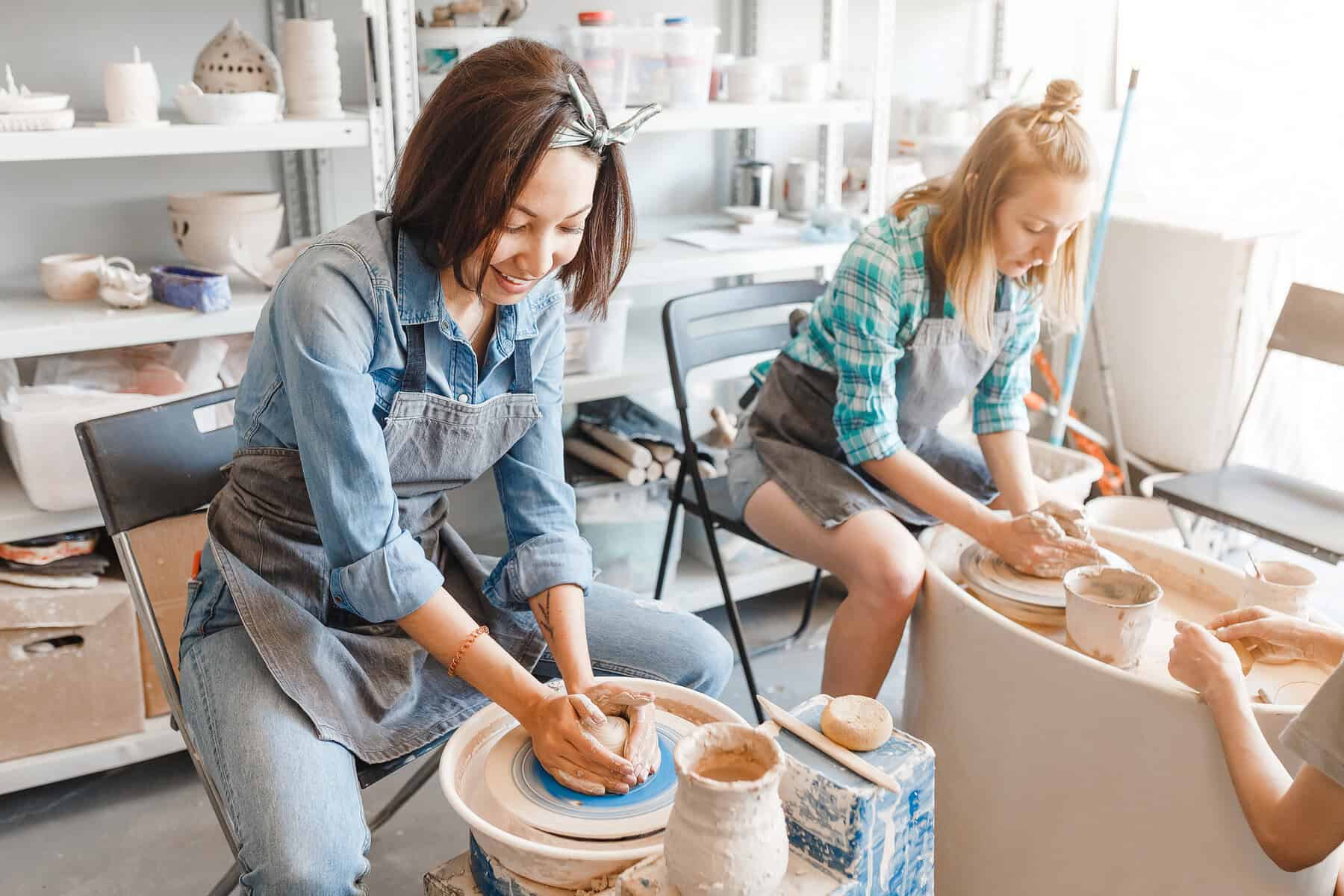
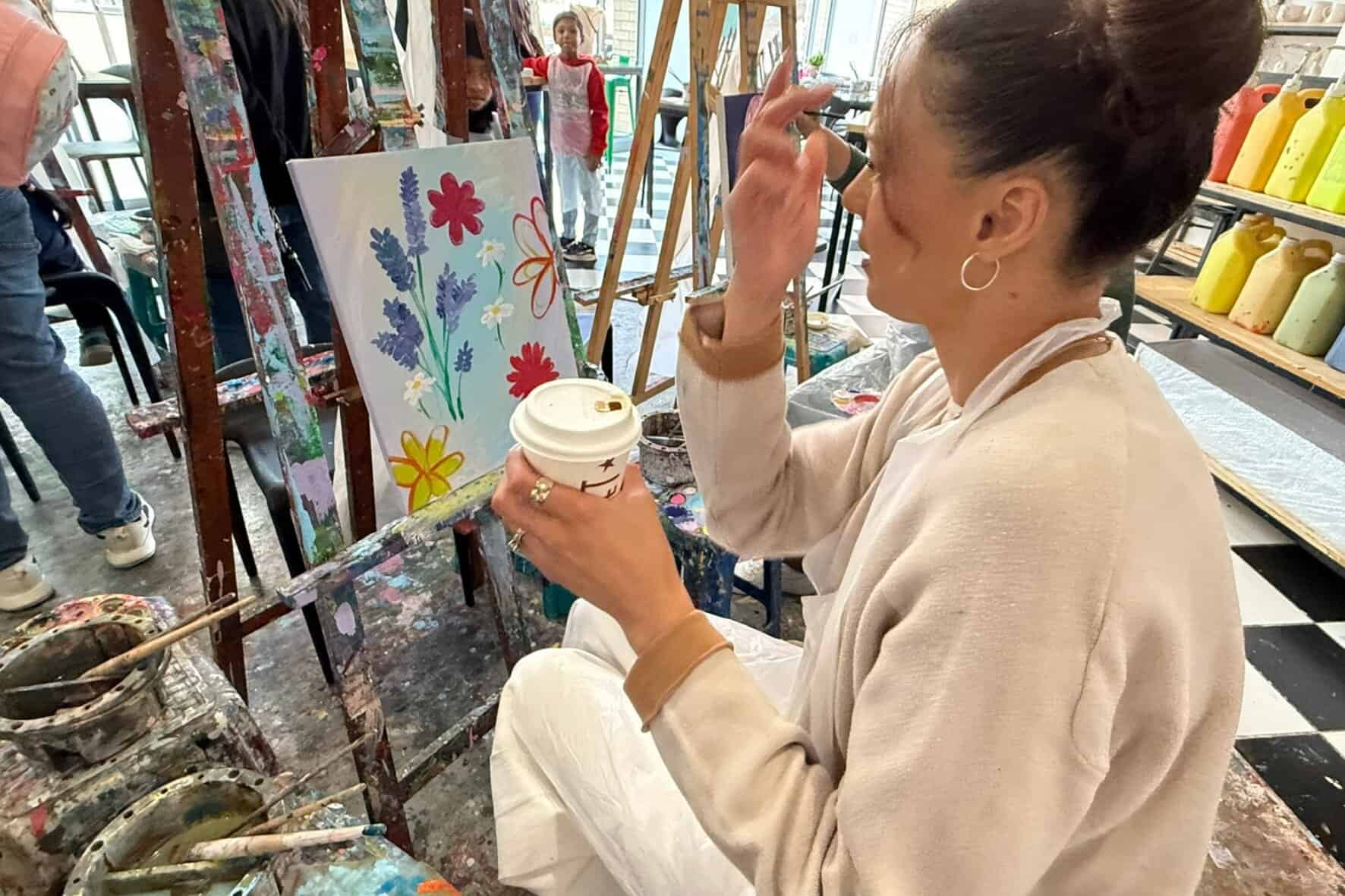
Creative spaces can be like emotional hugs. Think of a pottery class. People get together, make stuff, sit beside one another, and nobody needs to talk. There’s a collective focus on individual tasks and the process at hand, and nobody needs to explain themselves to anyone. It can be quite liberating, and it’s a no-pressure environment. Togetherness, but going solo at the same time.
No measuring up, for a change
Your boss wants results, clients want outcomes, and deadlines smack you with clocks. Art, or doing something creative, not so much. You can start a project, pause it for chores or deadlines, and pick it up again later. There’s no demand for immediate performance. It’s one of the few spaces, so to speak, that can deliver over time and where your performance is not measured in a rush to the finish line, but rather the latitude you allow yourself to indulge in me-time.
Now Read: It’s lekker, messy creativity and art