ÓS
The National Council of Provinces recently approved the draft notice prohibiting certain activities involving African lions, a plan to ban any new captive lion facilities.
According to the SPCA, this is a major milestone in ending an industry that has caused years of animal suffering.
While this is a big step forward, the SPCA warns that the hardest work is just beginning.
Ending a history of exploitation
The SPCA says that South Africa has for too long been known for the “industrial-scale exploitation” of lions.
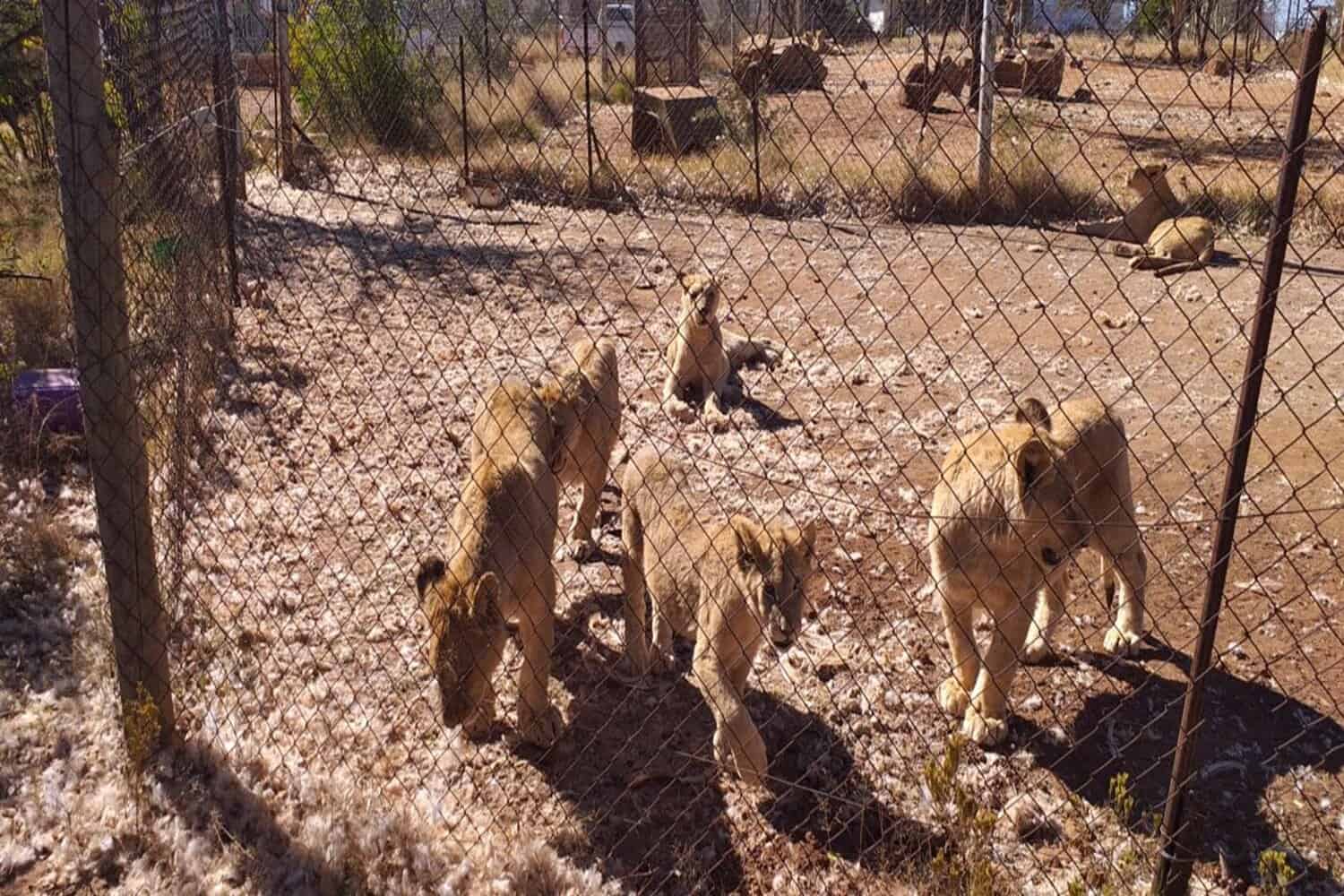
There are currently between 8 000 and 12 000 lions living in over 350 private facilities across the country.
According to the SPCA, these animals are bred purely for profit, starting with cub petting and ending with trophy hunting or the sale of their bones for traditional medicine.
The SPCA points out that these farms do not help save wild lions. They argue that captive-bred lions cannot be released into the wild and serve no real conservation purpose.
The organisation claims that the industry’s “conservation” label is a “commercial fiction” that has damaged South Africa’s international reputation.
A shift in political will
The recent vote was unique because all nine provinces agreed on the ban, said the SPCA.
It views this unanimous support as a sign that the government’s stance has shifted away from supporting commercial breeding.
They believe this change is the result of years of pressure from welfare groups, scientists, and the public.
“That shift did not happen overnight. It is the result of sustained pressure from civil society, welfare organisations, scientists, and members of the public who refused to accept that the exploitation of lions was simply the cost of doing business in South Africa,” it said.
This decision follows a 2024 government report that recommended ending captive lion breeding for profit and destroying all stockpiles of lion bones.
Lions farms still exist
However, the SPCA cautions that this new rule only stops new facilities from opening.
It does not yet close down the hundreds of farms that already exist. The organisation notes that industry groups are still fighting these changes in court to try and keep the bone trade alive.
The SPCA is now calling on Willie Aucamp Minister of Forestry, Fisheries and the Environment to officially publish the notice and set a clear timeline for closing all existing commercial lion farms.
“For this decision to mean what it should, Aucamp must gazette the prohibition notice without delay and commit to the full phase-out of captive lion breeding and trade for commercial purposes,” it said.
NOW READ: Vanishing: Where are the Kruger National Park’s lions?