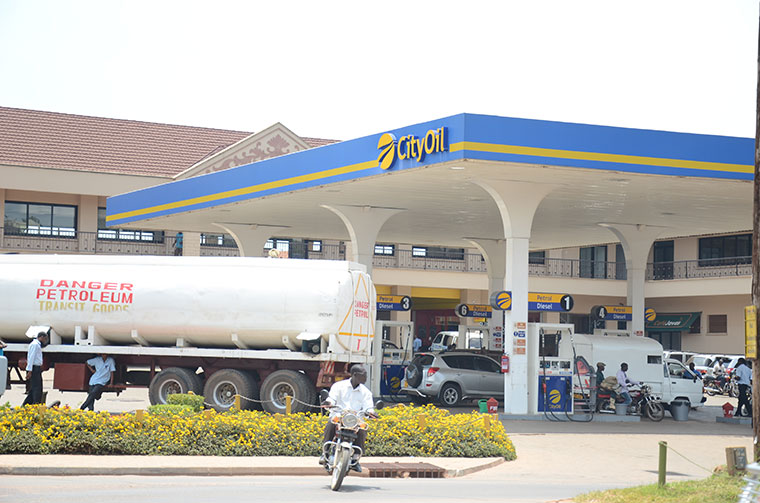
The government has assured the public that Uganda has sufficient fuel reserves to last until late May, dismissing social media claims of an impending shortage.
The reassurance comes amid rising pump prices, with some fuel stations now selling petrol at over Shs 5,800 per litre and diesel at about Shs 5,300, up from around Shs 5,200 and Shs 4,900 respectively.
In a joint statement issued on Tuesday, the ministry of Energy and Mineral Development and the Uganda National Oil Company (UNOC) described reports of a looming shortage as misleading, warning that such speculation could trigger panic buying and artificial price increases.
Energy minister Ruth Nankabirwa Ssentamu said that as of March 27, Uganda had 81 million litres of petrol, 80 million litres of diesel and 18.5 million litres of Jet A-1 fuel in stock. She said the reserves translate into between 22 and 30 days of national consumption.
“These levels are in full compliance with the Petroleum Supply Act, 2024, which requires UNOC to maintain a minimum of 21 days of strategic reserves to cushion the country against supply shocks,” Nankabirwa said.
The ministry added that incoming shipments scheduled for April will boost national stocks, with more than 350 million litres of petroleum products expected to arrive through Kenya’s coastal infrastructure.
Officials also said additional consignments are being rerouted through Tanzanian ports, including Dar es Salaam, Tanga and Mtwara, to mitigate risks associated with disruptions along key maritime routes.
The reassurance comes against the backdrop of global uncertainty, including attacks on vessels navigating major shipping routes, which have unsettled oil markets and heightened concerns about supply disruptions.
Authorities, however, cautioned that while supply remains stable, prices may continue to rise due to global market volatility and exchange rate pressures. Uganda relies heavily on imported refined fuel, making domestic prices sensitive to international crude oil trends and movements in the Uganda shilling.
Transport operators welcomed the assurance on supply but raised concerns about affordability.
“Availability is one side of the story; affordability is another,” said Fred Okema of the Uganda Bus Drivers Association, noting that sustained price increases could erode already thin profit margins in the transport sector.
He called for stricter enforcement of pump price regulations to enhance transparency. The aviation sector also expressed cautious optimism, noting that current Jet A-1 reserves provide a temporary buffer for flight operations despite unpredictable global fuel costs.
UNOC chief corporate affairs officer Tony Otoa said fuel accounts for about 70 per cent of Uganda’s commercial energy consumption, warning that even modest price changes can have ripple effects across transport, manufacturing and household budgets.