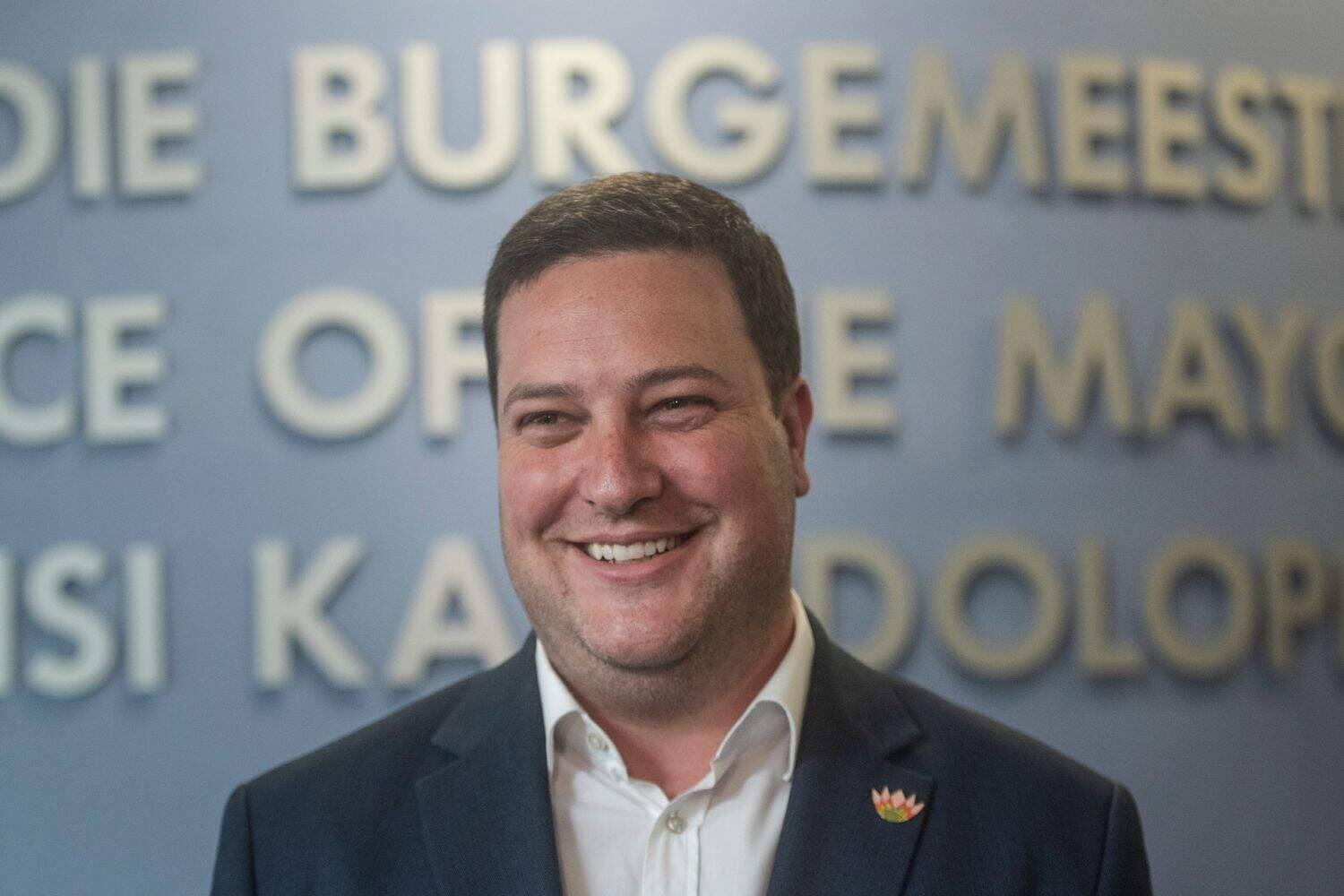
While a proposed nine-kilometre wall along Cape Town’s N2 highway has ignited public debate, the city’s mayor, Geordin Hill-Lewis, has defended the project as a necessary safety intervention.
The wall forms part of the City of Cape Town’s 2026/2027 draft budget, which was tabled by Hill-Lewis on Tuesday, 31 March 2026, ahead of the new financial year starting on 1 April.
The metropolitan municipality has earmarked R114 million for the N2 edge safety project, which includes both the design and construction of the barrier.
The initiative, according to the city, is intended to reduce crime targeting motorists and limit pedestrian fatalities along the busy route.
ALSO READ: Cape Town sells off 50 plots of public land despite outcry
The plan has, however, faced backlash from sections of the public, with critics questioning its underlying purpose.
Some argue the wall is less about safety and more about concealing poverty in nearby communities such as Khayelitsha, Gugulethu, and Nyanga from those travelling between the Cape Town International Airport and the city.
Others have gone further, comparing the project to the “Berlin Wall”.
City of Cape Town mayor defends N2 wall
During Tuesday’s virtual council meeting, Hill-Lewis presented what he described as the final budget of his administration ahead of the 2026 local government elections, marking nearly five years in office.
“The end is now in sight. Our last budget of this term of office, we are simply calling it our ‘city of hope budget’ because it represents the clearest indication of the progress that we have made and our ambitions for Cape Town,” he said.
Among those ambitions is a continued focus on safety and security, with R6.8 billion allocated to that sector.
READ MORE: Proposed Cape Town sea reclamation project to unlock 30 000 jobs and R8 billion in GDP
The mayor argued that the city has had to take on a larger role in crime prevention due to challenges within the South African Police Service (Saps).
“If the safety of our residents were in the hands of a competent and well-resourced Saps, we may have been able to spend much of this money on other pressing priorities.
“But the reality of our time now in South Africa is that Saps is unable to adequately protect our communities against violent criminals and faces great institutional turmoil and leadership crisis of its own.
“So, in the midst of that crisis, we have had to step into the gap with our resources,” Hill-Lewis told councillors.
Watch City of Cape Town’s council meeting below:
He continued: “This is also the reason we have allocated R114 million from our open mobility budget towards the design and construction of the N2 Edge.
“There’s safety-related upgrades we will be building along a stretch of the highway, benefitting motorists, pedestrians and communities alike.”
‘Posturing and grand-standing’
Hill-Lewis also address backlash around the project, criticising rival parties – particularly the ANC – for their opposition to the development.
“We are paying no attention to those posturing and grandstanding on this project, especially those urging us to pursue healing and handholding with the criminals.
“We can understand why they, in particular, would prefer us to be soft on crime, coming from a criminal enterprise posing as a political party.
“Let me say to them, they can be soft on crime if they want to, and they can play kumbaya with criminals, but residents will take note.”
Despite the controversy, the mayor maintained that the project is rooted in public safety concerns.
“The N2 edge barrier will not only protect motorists against the kind of violent and traumatic attack which has been far too common in recent years, but it will also offer better safety to the people living in those adjacent communities and for their children who play close to the highway.”
NOW READ: Kenny Kunene says we have been ‘indoctrinated’ to believe Cape Town roads are better than Joburg’s