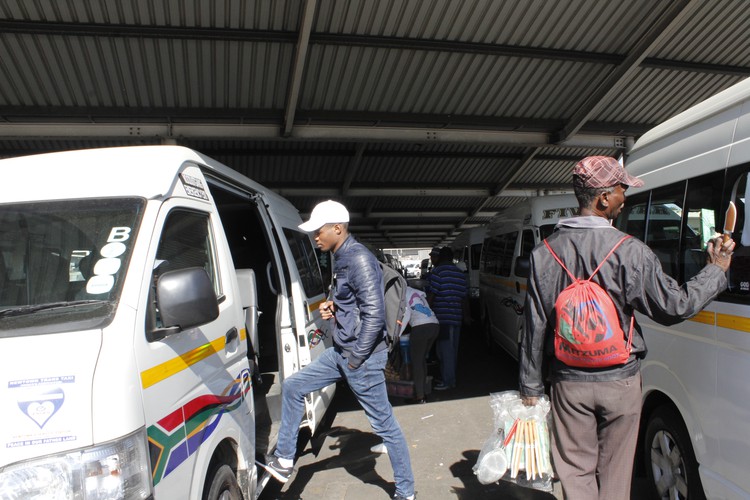
As fuel prices are set to increase on Wednesday, 1 April 2026, taxi fares in South Africa are also expected to rise.
Commuters across the country are already feeling the strain amid reports of fuel shortages, limits on refuelling volumes and escalating diesel prices.
Taxi associations and operators are being forced to adjust their fares accordingly.
The South African National Taxi Council (Santaco) has acknowledged the uncertainty and concerns of commuters who rely on taxis. And is concerned about the panic that is starting to affect daily taxi operations.
No set price increase
While there has been no confirmation of a specific price increase, some taxi associations are reportedly telling their passengers that prices will rise once fuel prices go up.
Under existing Santaco protocols, individual taxi associations retain the prerogative to determine fare adjustments in response to operational pressures.
Santaco advises commuters that all changes and increases will be communicated transparently through official notice boards at taxi ranks, inside vehicles, and via verified association communication platforms.
‘We are acting with urgency’
With diesel soon increasing to R10 a litre, Santaco says concerns heighten because it appears that fuel stations are overpricing diesel and taking advantage of its less stringent regulation compared to petrol.
The president of Santaco, Abnar Tsebe, has called on the government to take action to keep prices affordable for daily commuters.
“We are acting with urgency to stabilise the situation and protect both operators and commuters.”
“We call on the government to immediately provide clear direction on fuel price expectations and to work with us on practical relief measures,” says Tsebe
Commuters have been reassured that all fare adjustments will be approached with careful consideration, while recognising the critical role affordable transport plays in daily life and economic participation.
Contributing factors
According to Santaco, taxi fare adjustments are not usually made in response to fuel price fluctuations alone, as such fluctuations can be temporary. However, these increases are considered in a broader, balanced assessment of multiple operational and administrative cost pressures, including vehicle maintenance, financing, licensing, and other expenses that make up the final taxi fare.
Santaco says that it is important for all stakeholders to understand that any fare increases currently under consideration are a direct response to the exceptional and immediate pressures already experienced on the ground, including supply constraints and rising costs at some fuel stations.
However, the Department of Minerals and Petroleum Resources said there is no supply shortage.
“Prices are mainly rising because of global oil price shocks caused by international conflict and market volatility, not because fuel is running out locally.”
The department has also confirmed that fuel stocks are sufficient to last until mid‑April.