Households Feel the Pinch as Oil Markets React to U.S.-Israeli Tensions with Iran….
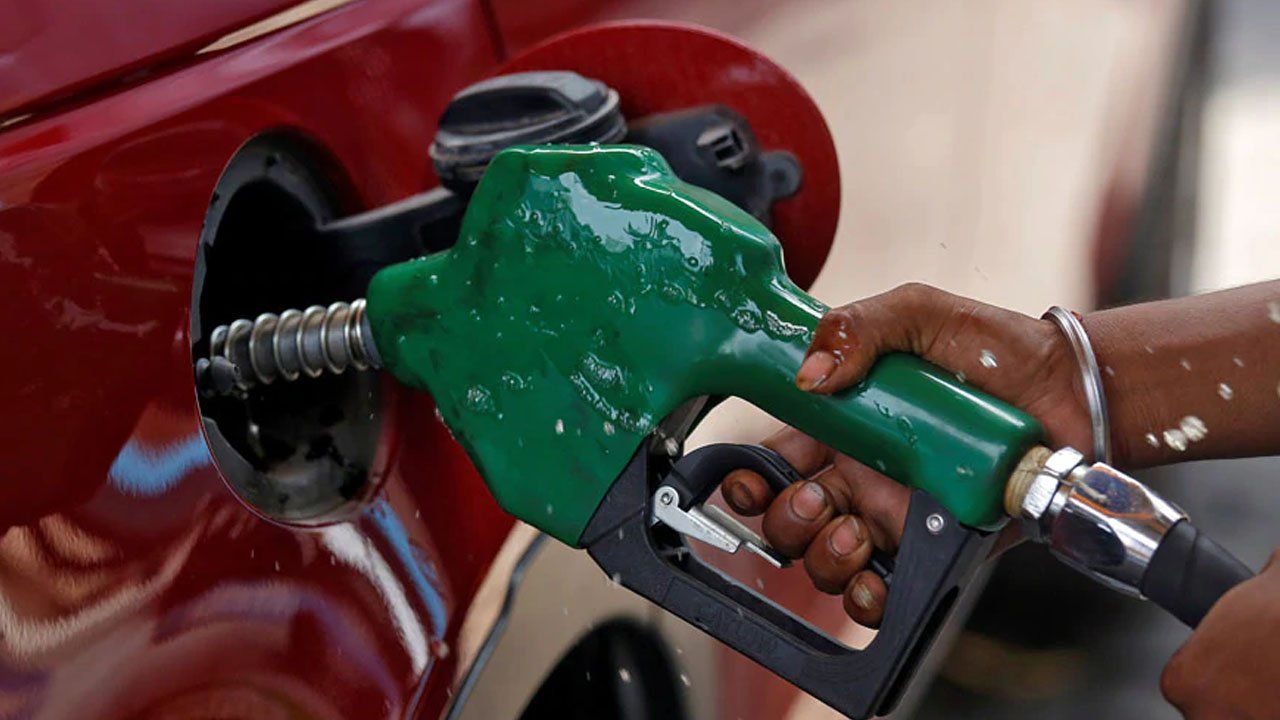
The U.S. national average for retail gasoline has crossed the $4-per-gallon mark for the first time in over three years, according to GasBuddy data cited by Reuters. The milestone comes amid escalating geopolitical tensions following the U.S. and Israel’s military actions against Iran, which have roiled global energy markets.
This price level was last seen in August 2022, in the aftermath of Russia’s invasion of Ukraine. The latest surge is fueled by disruptions at the Strait of Hormuz, a critical chokepoint for global oil shipments, causing crude oil prices and by extension, pump prices to spike.
The rising cost of gasoline is straining U.S. households already grappling with inflation. In a recent Reuters/Ipsos poll, 55% of Americans reported that higher gas prices had affected their finances, with 21% saying the impact was significant. Analysts warn that continued volatility in oil markets could exacerbate financial pressures on everyday Americans.
Oil Market Volatility and Price Jump
Since the end of February, when the U.S. and Israel launched attacks on Iran, the national gasoline average has jumped roughly $1.06 per gallon, a 36% increase. U.S. oil futures rose to $102.88 per barrel on Monday, an increase of $3.24 in a single session, following reports that an oil tanker was attacked at a Dubai port.
Industry experts caution that prices could climb even higher if crude oil continues its upward trajectory, as the conflict shows no immediate signs of de-escalation.
Government Response
In an effort to ease the strain, the Trump administration temporarily waived the Jones Act shipping law. The waiver allows foreign-flagged vessels to move fuel, fertilizer, and other goods between U.S. ports, a move aimed at improving supply flexibility. However, industry insiders suggest that the measure may only have a limited effect on prices in the short term.
The spike in gasoline prices comes at a sensitive political moment, as President Donald Trump and the Republican Party prepare for the November midterm elections. Rising fuel costs could heighten voter frustrations, creating additional challenges for Republicans seeking to maintain control of Congress.
With global energy markets already volatile and inflationary pressures mounting, Americans may face continued uncertainty at the pump in the coming months.