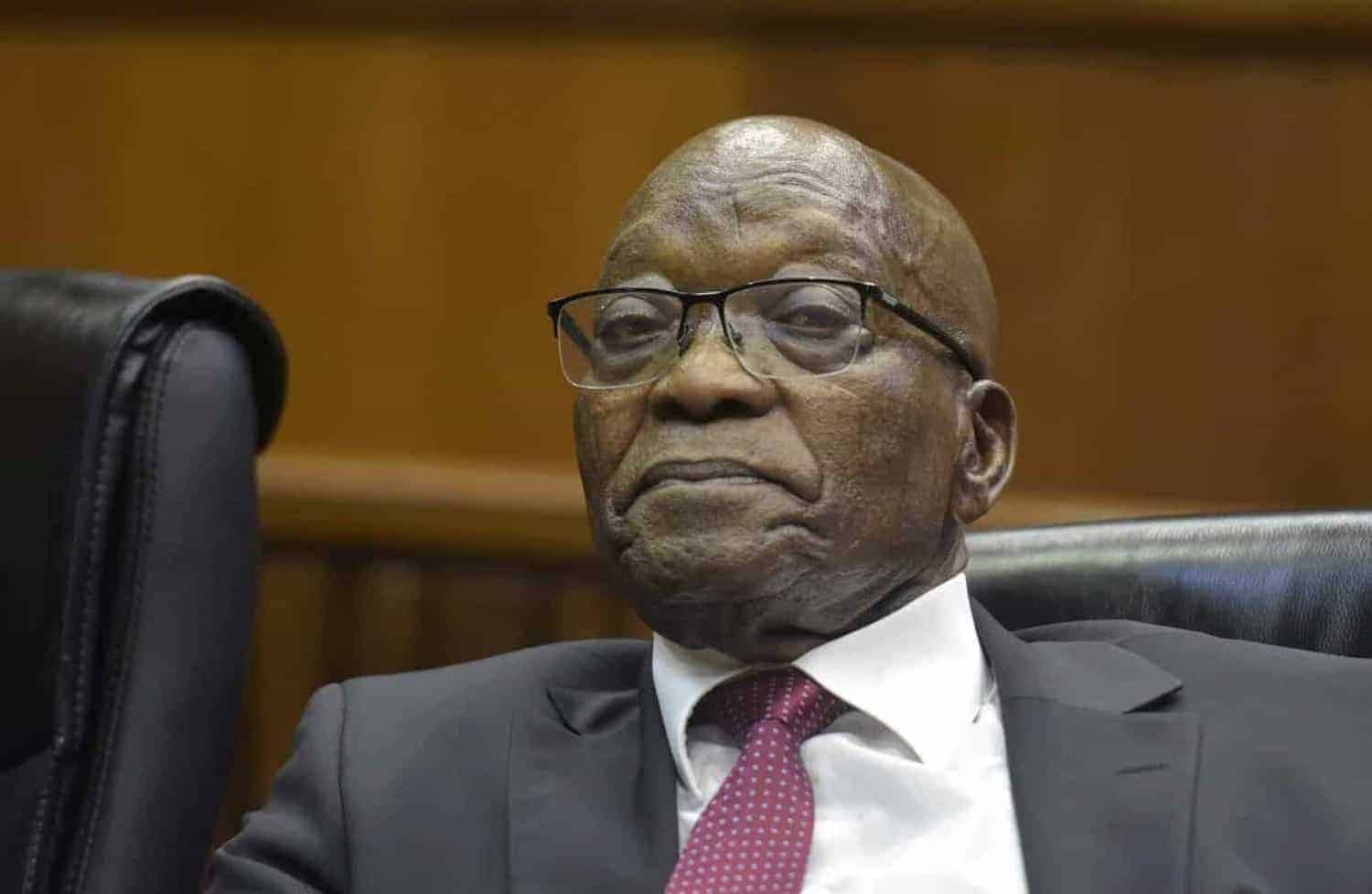
Despite suffering yet another blow in its bid to remove retired justice Sisi Khampepe as chairperson, the Jacob Zuma Foundation says the Johannesburg High Court’s ruling is not the end of the matter.
A full bench of the Gauteng High Court in Johannesburg on Monday dismissed a bid by Zuma and Mbeki to have Khampepe recuse herself as chairperson of a commission of inquiry into stalled prosecutions of apartheid-era crimes, as identified in the Truth and Reconciliation Commission (TRC) report.
Appeal?
Jacob Zuma Foundation spokesperson Mzwanele Manyi said that a decision on whether to lodge an appeal will be taken after legal consultations.
“We wish to place on record our strong disagreement with the judgment. In our view, the Court has avoided the substantive merits of the recusal application and instead relied on a technicality: namely, that the two former presidents did not obtain the requisite consent to institute the application.
“This approach has the effect of leaving serious allegations of gross judicial misconduct, and possible criminality, entirely unaddressed,” Manyi said.
ALSO READ: Zuma and Mbeki should be ‘ashamed for scathing attack’ on Khampepe, says Calata
No permission
In a ruling supported by Judge Selby Baqwa, acting Deputy Judge President Thifhelimbilu Mudau found that Zuma and Mbeki had failed to comply with section 47 of the Superior Courts Act, which requires litigants to obtain the Chief Justice’s permission before they are able to launch legal action against a judge.
“The purpose of section 47 – to guard the integrity of the judiciary as an institution – would be defeated if judges could be compelled to participate in proceedings without the protective filter of prior consent,” Mudau stated.
Public service
Mudau ruled that although Khampepe was retired, she continues to perform public service as chairperson of a commission of inquiry.
“In doing so, she remains bound by her judicial oath and the ethical standards that attach to her office. She is entitled to the same protections as a judge in active service, precisely because the threats to judicial independence – vexatious litigation, personal attacks, and attempts to influence or intimidate – are no less real in the commission context.”
Concern
The judgment given by Judge Lebogang Modiba was not included in Mudau’s ruling.
Manyi expressed concern about this.
“Equally concerning is the fact that the parties have, to date, not been furnished with a copy of the dissenting judgment of Justice Modiba. The absence of this judgment significantly hampers our ability to conduct meaningful consultations and to fully assess the legal position.
“Given the gravity and unprecedented nature of the issues raised, it is clear that this matter is far from concluded. The Foundation will consider all available legal avenues to ensure that the substantive issues are properly ventilated,” Manyi said.
Recusal application
Khampepe’s recusal was supported by President Cyril Ramaphosa, who last year initially appointed Justice Khampepe to chair a judicial commission of inquiry.
Zuma and Mbeki filed separate applications challenging her continued role, arguing that her past judicial decisions may compromise her impartiality.
In their papers, the duo argued that Khampepe previously served on the TRC amnesty committee and later as Deputy National Director of Public Prosecutions under then-NDPP Bulelani Ngcuka.
They contend that these roles give rise to a “material and disqualifying conflict of interest” regarding the commission’s subject matter and mandate.
However, in January, Khampepe ruled that both applications for her recusal, brought by the former presidents, “must be dismissed”, sparking a review application.
ALSO READ: Khampepe’s legal team argues ‘she has been left out to dry’