Iranian authorities on Monday announced the execution of two men convicted of belonging to a banned opposition movement and plotting against the Islamic Republic, according to the judiciary.
In a statement published by the judiciary’s Mizan Online news outlet, officials said Akbar Daneshvarkar and Mohammad Taghavi-Sangdehi were executed after their death sentences were upheld and formally approved by the Supreme Court.
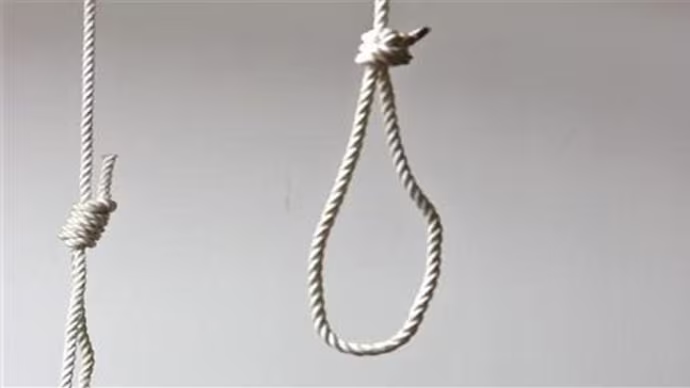
“Following confirmation and final approval of the sentence by the Supreme Court, Akbar Daneshvarkar and Mohammad Taghavi-Sangdehi were hanged this morning,” the statement said.
Iranian authorities identified both men as members of the People’s Mujahedin of Iran (MEK) — also known as Mujahedeen-e-Khalq — an opposition organisation that has operated in exile since the 1980s and is classified by Tehran as a terrorist group.
Officials said the two men were convicted on charges including participation in terrorist activities, attempts to overthrow the state, and actions deemed harmful to national security.
According to Mizan, they were also accused of involvement in what authorities described as “riots and urban terrorist operations.”
Details surrounding the timing of their arrests and the extent of their alleged roles in recent unrest remain unclear.
The executions come at a highly tense moment for Iran, amid escalating regional hostilities involving the United States and Israel following recent military strikes that have intensified conflict across the region.
Iran has faced recurring waves of public unrest in recent years, with demonstrations initially driven by economic hardship before expanding into broader anti-government protests.
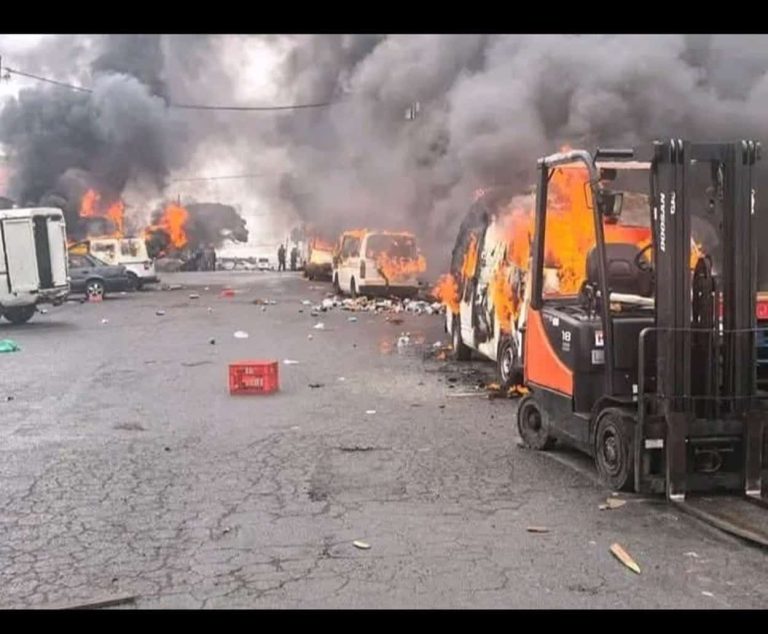
Authorities maintain that some protests evolved into violent confrontations involving vandalism, deadly attacks, and what they describe as foreign-backed destabilisation efforts.
Official figures from Tehran place the death toll from the unrest at more than 3,000, including security personnel and civilians.
However, independent monitoring groups such as the US-based Human Rights Activists News Agency (HRANA) report significantly higher casualty figures, estimating that more than 7,000 people may have been killed, most of them protesters, while cautioning that the true number could be even greater.
The executions are likely to draw renewed international attention to Iran’s use of capital punishment, particularly in cases linked to political dissent and national security allegations.
About the Author