Deadlock over e-commerce tariffs raises fresh doubts about global trade reforms….
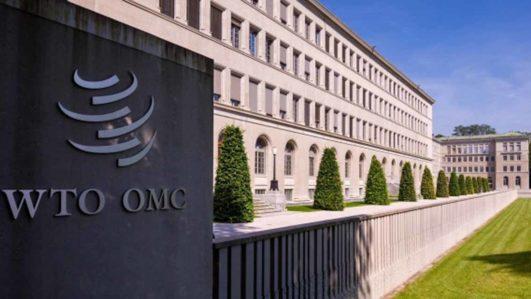
Negotiations to reform the World Trade Organization and extend a key digital trade agreement hit a wall on Sunday, as member countries failed to reach consensus on one of the most contentious issues shaping the future of global commerce.
The impasse, which unfolded during a ministerial meeting in Cameroon, underscores widening divisions among major economies and casts uncertainty over the future of digital trade rules.
At the heart of the standoff is the long-standing moratorium on customs duties for electronic transmissions, an agreement that prevents countries from taxing digital products like software downloads, streaming services, and online content.
US and India at odds over the future
Negotiators have struggled to bridge sharp differences between the United States and India, two influential players with opposing views on how the moratorium should evolve.
- India is pushing for a temporary extension, reportedly open to a two-year deal
- The United States is insisting on a permanent arrangement, rejecting short-term compromises
Diplomats say the disagreement reflects deeper tensions over how global digital trade should be governed in the years ahead.
“We are spending too much time on process instead of real reform,” one Western diplomat said, expressing frustration with the pace of talks.
Another warned that failure to extend the agreement could further weaken the WTO’s standing, particularly if major economies begin to act outside its framework.
Compromise options on the table but no breakthrough
Efforts to find middle ground have so far fallen short, despite several proposals aimed at breaking the deadlock.
Among the options being discussed:
- A long-term extension of up to 10 years as a pathway to permanence
- A five- to ten-year compromise deal
- New provisions to support developing economies, alongside periodic review mechanisms
Business groups are also ramping up pressure, warning that uncertainty could disrupt digital trade flows and open the door to new tariffs.
More than just digital trade
The disagreement goes beyond e-commerce. It reflects broader struggles within the WTO to adapt to a rapidly changing global economy.
Reform efforts under discussion include:
- Improving transparency around subsidies
- Revisiting the Most-Favoured-Nation principle
- Strengthening the institution’s ability to resolve disputes
However, the WTO’s consensus-based decision-making system continues to make sweeping reforms difficult, especially as geopolitical tensions rise.
Why this matters now
The outcome of these talks is seen as a crucial test of the WTO’s relevance at a time when global trade is under pressure from protectionist policies and shifting alliances.
The e-commerce moratorium, in particular, has been a cornerstone of digital trade for years. If it lapses, countries could begin imposing tariffs on digital goods, potentially reshaping how online services are priced and delivered worldwide.
A critical moment for global trade leadership
WTO Director-General, Ngozi Okonjo-Iweala, has repeatedly emphasized the need for cooperation to keep global trade rules functional and inclusive.
But with negotiations still deadlocked and positions hardening, the path forward remains uncertain.
If no agreement is reached, analysts warn that countries may increasingly turn to regional or bilateral arrangements, weakening the WTO’s role as the central platform for global trade governance.
About the Author