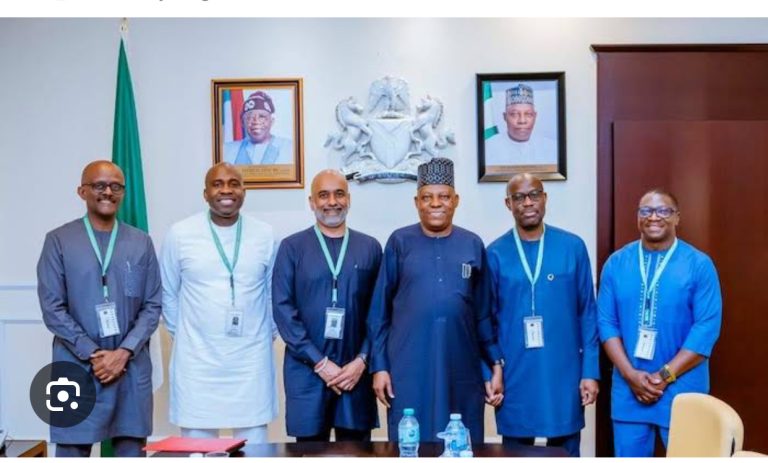
Amid growing concerns over proposed changes to Nigeria’s healthcare regulation, the Association of Medical Laboratory Scientists of Nigeria has warned that a bill before the National Assembly could weaken professional standards and disrupt service delivery across the country.
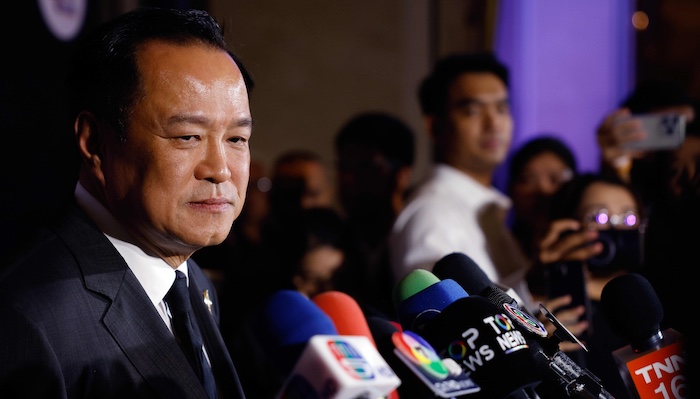
Speaking at a press briefing in Abuja, AMLSN President, Casmir Ifeanyi, said the legislation risks undermining the autonomy of laboratory professionals and introducing political interference into a highly technical field.
At the centre of the dispute is a proposal to restructure the governing board of the Medical Laboratory Science Council of Nigeria, the body responsible for regulating laboratory science practice. The association warned that expanding the board to include non-specialists could dilute expertise and weaken oversight.
The group also raised concerns over plans to alter leadership requirements within the council, noting that removing key professional criteria could open the door for individuals without the necessary scientific background to oversee critical aspects of healthcare regulation.
In addition, the AMLSN criticised efforts to bring the Medical and Dental Council of Nigeria into the council’s governance structure, arguing that such a move blurs established boundaries between professional regulators and could trigger fresh tensions within the health sector.
The association further pointed to inconsistencies in the proposed legal changes, particularly around the role of laboratory scientists in diagnosis, stressing that modern healthcare relies heavily on laboratory data to guide clinical decisions.
It warned that attempts to reassign specialised laboratory functions to other medical fields could compromise quality standards, create regulatory conflicts, and ultimately put patient safety at risk.
While acknowledging the need for reforms, the AMLSN insisted that any changes must align with global best practices and preserve the independence of professional bodies.
The group is now calling on the National Assembly and the administration of Bola Tinubu to suspend further consideration of the bill and engage stakeholders in a broader consultation process.
About the Author