New directive broadens scope of presidential initiative, combining gas and EV strategy to drive affordable and sustainable mobility….
President Bola Tinubu has approved a major expansion of Nigeria’s clean transportation agenda, formally integrating electric vehicles into the country’s existing compressed natural gas (CNG) programme.
With the update, the initiative previously focused solely on gas-powered mobility will now operate under a broader framework known as the Presidential Initiative on Compressed Natural Gas and Electric Vehicles (PiCNG & EV).
According to a statement from the presidency, the revamped programme will serve as the central platform for coordinating Nigeria’s transition to cleaner transport, bringing together both CNG and electric vehicle strategies under a single national plan.
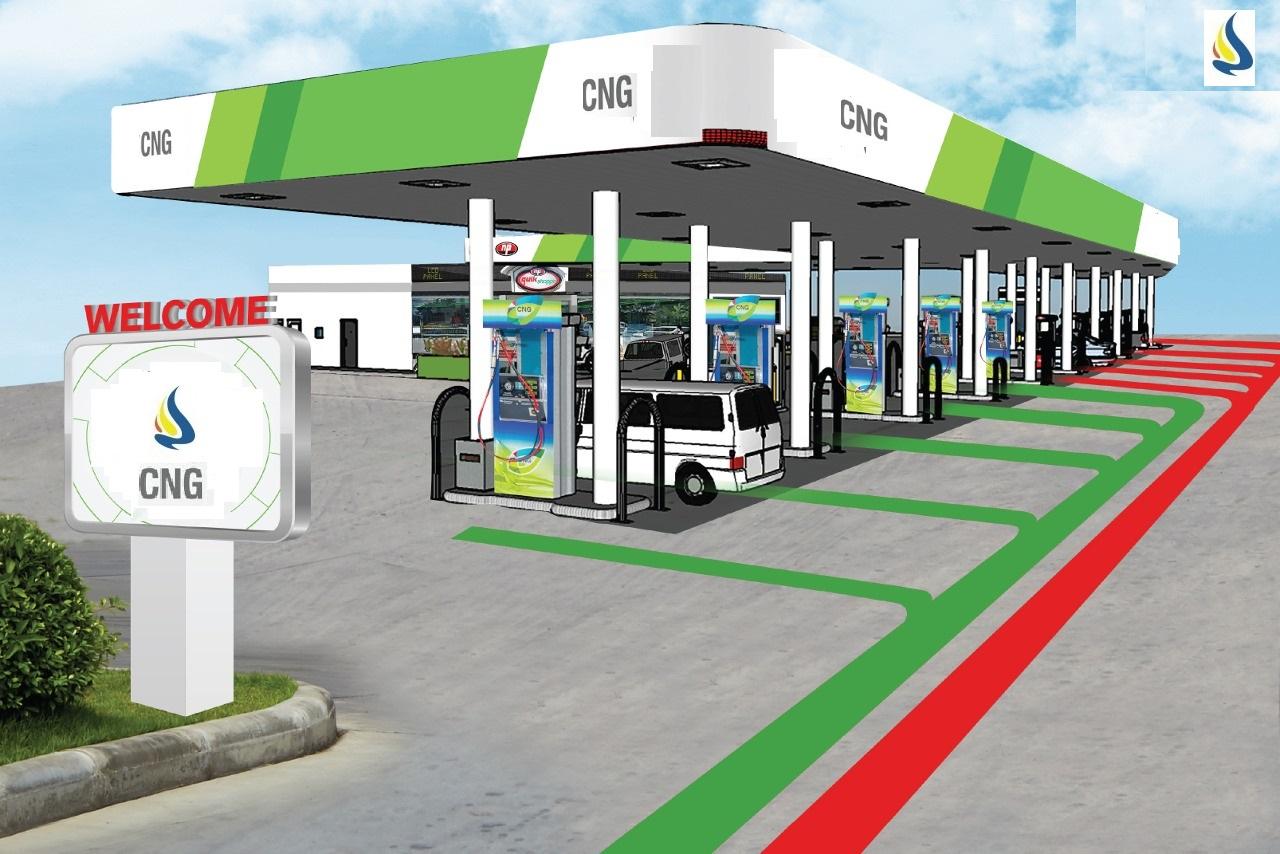
The initiative is expected to continue driving the rollout of CNG infrastructure across the country, including refuelling stations, vehicle conversion programmes, and gas-powered transport systems. At the same time, it will take on a new mandate to support the development of electric vehicles, charging networks, and related investments.
Officials say the dual approach reflects a pragmatic strategy leveraging Nigeria’s abundant gas reserves to deliver immediate cost savings, while gradually building capacity for electric mobility as part of a longer-term sustainability plan.
Gas-powered transport remains a key pillar of the government’s energy strategy, seen as a more affordable alternative to petrol and a way to reduce pressure on foreign exchange. The addition of electric vehicles is expected to further strengthen efforts to promote cleaner, more efficient transportation options.
As part of the directive, the president has instructed the leadership of the initiative to fast-track the nationwide availability of vehicle conversion kits, ensuring they are both accessible and affordable to Nigerians.
To support this, the programme will collaborate with financial institutions and credit providers to design flexible financing models that lower the barrier to entry for vehicle owners looking to switch to gas-powered systems.
The government is also prioritizing the rapid deployment of mobile refuelling units to improve access to CNG in the short term, especially in areas where permanent infrastructure is still under development.
The expanded initiative signals a broader shift in policy, one that blends immediate energy needs with long-term environmental considerations, as Nigeria looks to modernize its transport sector while managing costs for consumers.
With implementation now set to accelerate, attention will turn to how quickly infrastructure, financing, and public adoption can align to deliver on the programme’s ambitious goals.