Cardoso cites stronger reserves, falling inflation, and FX stability as reforms begin to reshape Nigeria’s economic outlook…..
Nigeria’s banking sector is showing early signs of renewed strength, with 32 financial institutions already meeting new capital requirements set by the Central Bank of Nigeria (CBN) under its ongoing recapitalisation drive.
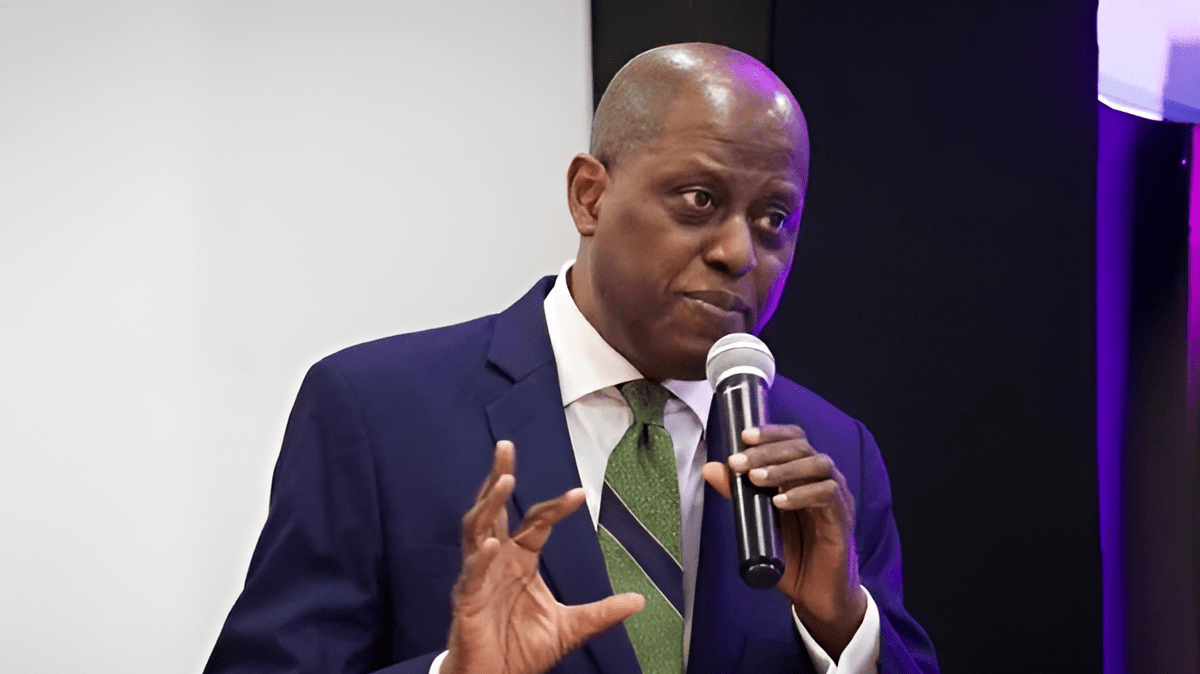
Speaking at the Monetary Policy Forum in Abuja, CBN Governor Olayemi Cardoso described the development as a significant step toward building a more resilient financial system capable of supporting long-term investment and economic expansion.
He noted that the recapitalisation programme is a core part of Nigeria’s broader ambition to grow into a $1 trillion economy, positioning banks to play a more active role in financing large-scale projects and productive sectors.
According to Cardoso, the exercise goes beyond raising capital. It is part of a wider reform agenda aimed at strengthening governance, tightening risk management, and improving overall regulatory oversight within the banking industry.
Key measures include the introduction of a risk-based capital framework, a gradual phase-out of regulatory forbearance, stricter enforcement of insider lending rules, and tighter controls on borrowers with non-performing loans.
The apex bank has also enhanced its supervisory capabilities through the deployment of digital tools, including advanced early warning systems and improved off-site monitoring. Cross-border supervision has been strengthened as Nigerian banks expand their footprint internationally.
Inflation shows sharp reversal
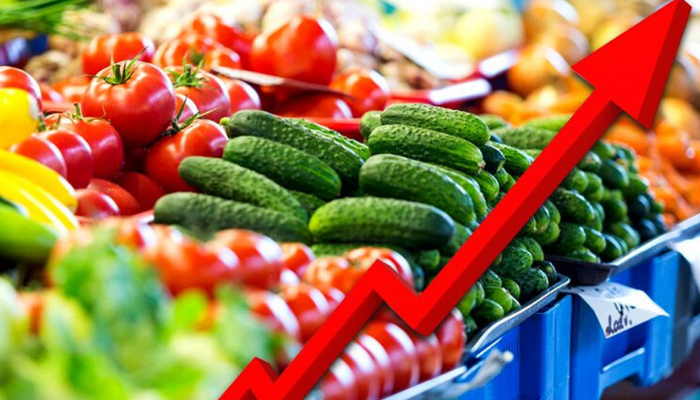
Cardoso highlighted a notable turnaround in inflation, attributing the improvement to aggressive monetary tightening in 2024.
Headline inflation, which peaked at 34.8% in December 2024, declined significantly to 15.06% by February 2026. The turnaround followed a series of rate hikes totaling 875 basis points before the CBN began cautiously easing policy.
The benchmark interest rate was reduced to 26.5% in February 2026 after earlier cuts, reflecting growing confidence that inflationary pressures are easing.
According to the governor, internal projections showed inflation would have worsened considerably without these interventions, underscoring the importance of disciplined monetary policy.
FX reforms boost confidence, inflows rise
On the foreign exchange front, the CBN reported clearing more than $7 billion in outstanding FX obligations, a move that helped restore market confidence.
The introduction of a transparent willing-buyer, willing-seller system, alongside tighter reporting and improved surveillance, has contributed to greater stability. The gap between official and parallel market rates has narrowed significantly, falling to below 2%.
Diaspora remittances have also emerged as a key pillar of FX inflows. Monthly remittances have tripled from about $200 million to $600 million following recent reforms aimed at improving settlement systems and regulatory oversight.
The CBN is targeting $1 billion in monthly remittances by the end of 2026, signaling a shift toward more sustainable and diversified sources of foreign exchange.
External reserves strengthen
Nigeria’s external reserves have seen a marked improvement, with gross reserves rising to $50.12 billion in February 2026, up from $38.34 billion a year earlier.
Net reserves also recorded a sharp increase, reflecting stronger reserve management practices, diversification strategies including the integration of gold and improved external asset oversight.
Fiscal discipline and global recognition
Cardoso emphasized that restoring discipline in monetary and fiscal coordination has been central to the reform effort.
One of the most notable shifts has been the sharp reduction in Ways and Means financing, which dropped from N26.95 trillion in May 2023 to N2.84 trillion by January 2026. This, he said, has reinforced compliance with legal limits and strengthened the independence of the central bank.
Nigeria’s reform trajectory has not gone unnoticed globally. The country has recorded sovereign rating upgrades from Fitch and Moody’s, exited the FATF grey list in late 2025, and received positive assessments from the International Monetary Fund.
Outlook: stability within reach
Looking ahead, the CBN says its focus will be on consolidating recent gains bringing inflation down to single digits, maintaining exchange rate stability, and further strengthening external reserves.
Economic growth is projected at 4.49% for 2026, though risks remain, particularly from global geopolitical tensions and oil price volatility.
Still, Cardoso expressed cautious optimism, noting that the most difficult phase of Nigeria’s economic adjustment may already be over.
With stronger banks, improving macroeconomic indicators, and rising investor confidence, the foundation appears to be forming for a more stable and growth-oriented economy provided reforms remain on track.