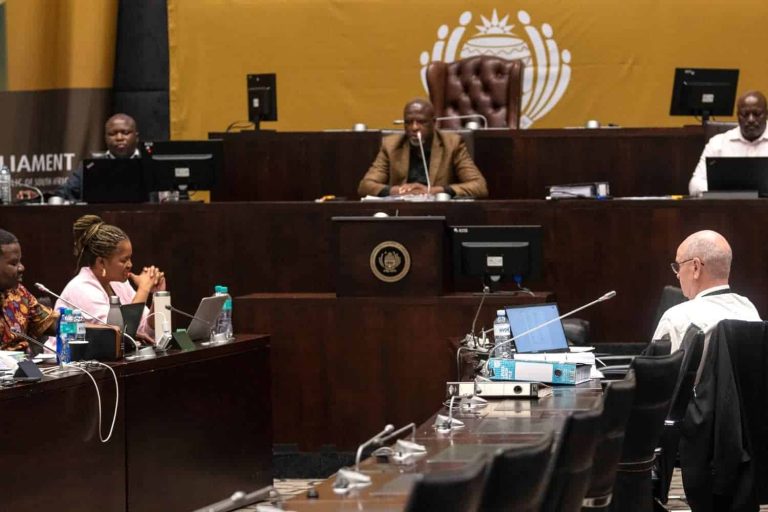
The Registrar of the Teachers Registration Council of Nigeria (TRCN), Dr. Ronke Soyombo has reassured teachers and stakeholders that the council’s digital portal is now stable following a brief disruption in December due to technical issues with its previous service provider.
Addressing the press in Abuja on Thursday, Dr. Soyombo responded to concerns raised by some Nigerian teachers regarding alleged ongoing technical problems with the portal.
She clarified that the downtime only lasted one week in December and was swiftly resolved after the council transitioned to a new developer.
“In December, we encountered some issues with the developer, resulting in a week-long outage. We have since addressed the problem and switched to a different developer,” she explained.
The Registrar dismissed claims of persistent issues as misleading and politically motivated, emphasizing the council’s dedication to efficiency and revenue generation.
“It would be counterproductive to invite teachers for examinations with a dysfunctional system. I must ensure our operations generate revenue for the government, as every agency is required to remit 50 percent,” she stated.
Acknowledging that some teachers still face difficulties accessing the portal due to limited digital literacy, Dr. Soyombo pointed out that TRCN continues to offer alternative registration methods, including physical registration at state offices nationwide.
“We have teachers who struggle with the portal because of digital literacy issues. Our state offices remain open to assist them. The portal was not down at any point in January,” she assured.
Regarding inclusivity, particularly for teachers in rural areas with inadequate internet access, the Registrar outlined efforts to bridge the digital divide. This includes deploying help desk officers in tertiary institutions, conducting mobile outreach in select states, and initiating sensitization campaigns in underserved communities.
“We are still working towards full inclusivity, but we are committed to reaching teachers in rural areas,” she remarked.
In response to suggestions about offline integration, Dr. Soyombo mentioned that while the council is considering the idea, its current priority is to launch a mobile application aimed at improving accessibility.
“By the end of April, we plan to introduce an app for more convenient access. We will definitely consider offline integration as well,” she concluded.