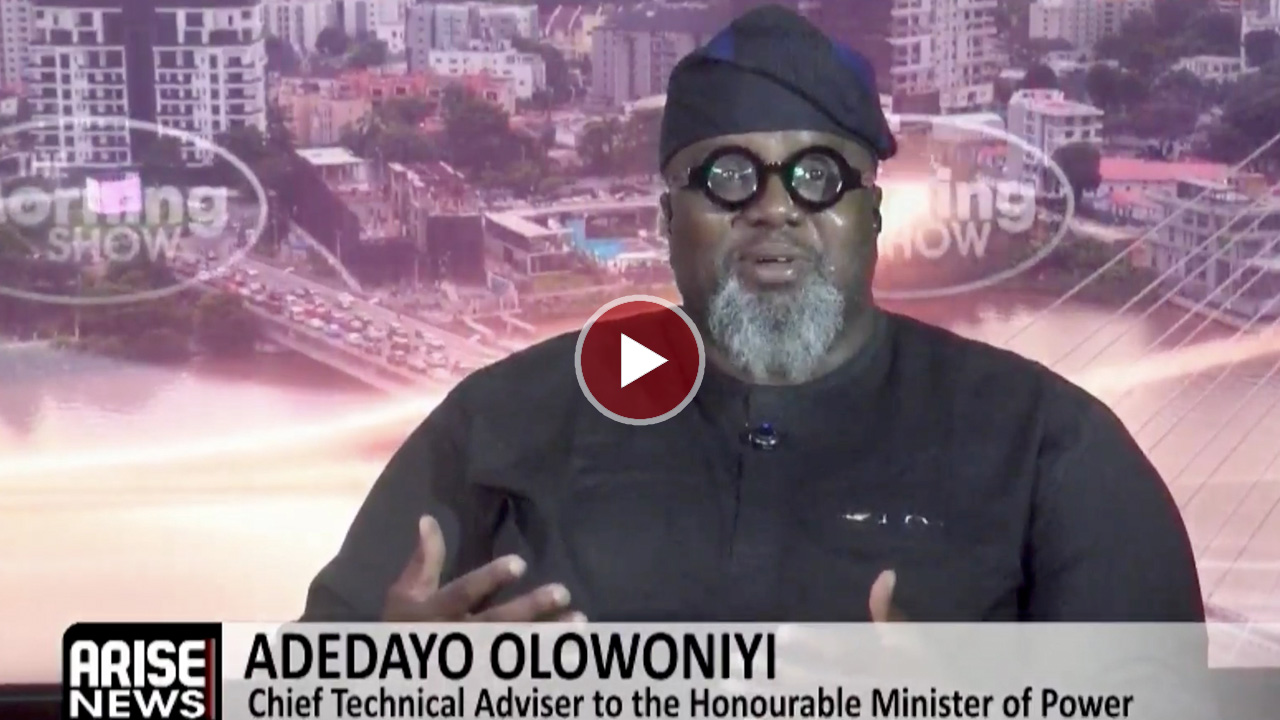
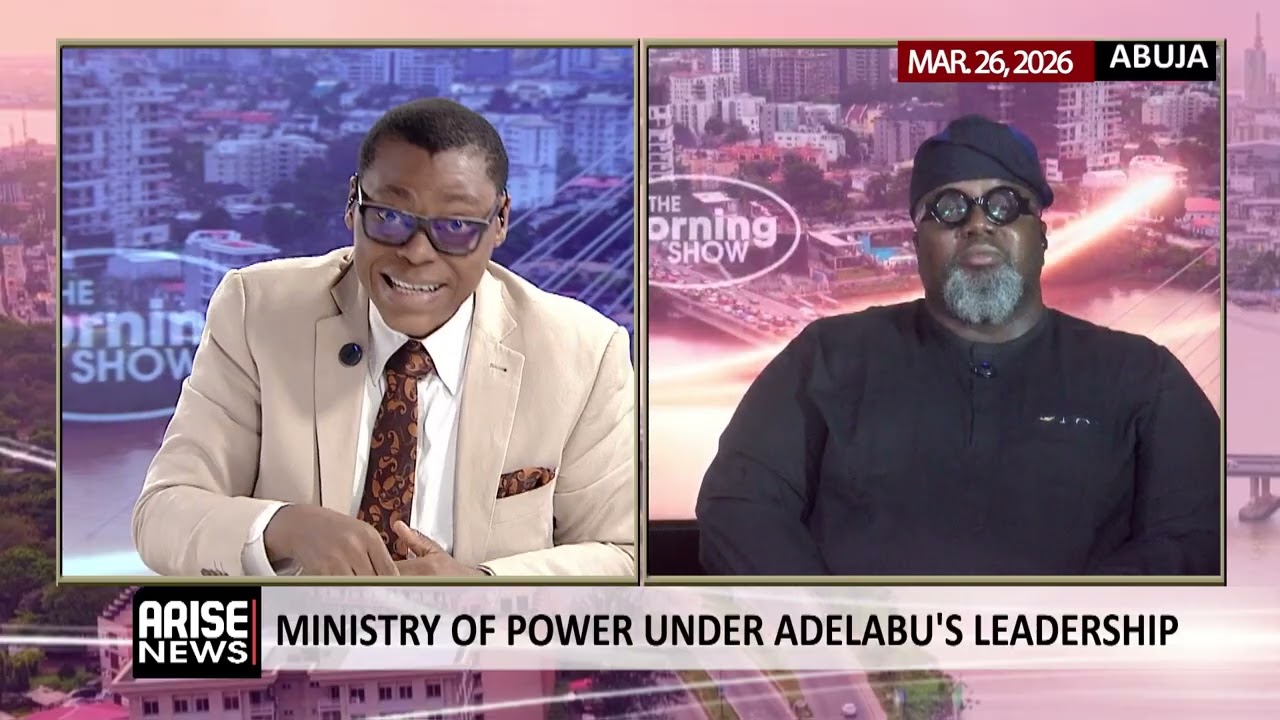
Nigeria’s power generation is expected to rebound to previous levels within two weeks as gas supply constraints ease, Chief Technical Adviser to the Minister of Power, Adedayo Olowoniyi, has said.
Speaking during an interview on ARISE News on Thursday, Olowoniyi linked the recent nationwide outages to maintenance work on a major gas pipeline, stressing that restoration efforts were already underway.
He said, “Within the next two weeks, full gas pressure will be back on the gas pipelines and the power plant will be able to get enough gas at least to go back to their level of generation that they had in the last two to three weeks.”
Olowoniyi noted that the power disruptions had prompted the Minister of Power, Adebayo Adelabu, to publicly apologise to Nigerians, describing the move as an act of leadership rather than an admission of personal fault.
He explained, “There’s been some specific challenges in the last two, three weeks and it was just important to take a leadership perspective and appreciate the fact that the poor supply is actually impacting the lives of Nigerians.”
According to him, gas remains the dominant fuel for electricity generation in the country, making pipeline maintenance a critical factor in supply stability.
He said, “75% of power generation in Nigeria is gas and one of the major gas pipelines in Nigeria is oil and wind maintenance. And gradually that process is being completed.”
The technical adviser added that early signs of improvement were already being recorded as pressure gradually returned to the system.
He stated, “We would have gradually started to see some improvement as the pressure on the pipeline gradually starts to build up and we’ll see continuous improvement over the next couple of weeks.”
Responding to concerns about repeated grid collapses, Olowoniyi argued that the frequency of such incidents had reduced under the current administration, citing improvements in generation and distribution performance.
He said, “If you go by data, and actually look at the number of grid collapses annually before the Honorable Minister took over, it’s actually reduced the rate of grid collapse.”
He further maintained that recent disruptions should be viewed in the context of broader progress recorded in the sector over the past two years.
Olowoniyi said, “In the last two years, we’ve recorded the highest peak of generation. We’ve recorded the highest average generation. We’ve recorded the highest average distribution consumption of energy.”
On the wider structural challenges facing the electricity industry, he emphasised that resolving Nigeria’s long standing power crisis would require sustained reforms rather than quick fixes.
He noted, “There is no single bullet to fixing the energy issues in Nigeria. It will be a process. These challenges have been built over time and will be resolved over time.”
The adviser also highlighted the impact of legacy debts and tariff imbalances on sector sustainability, explaining that consumers currently pay only a fraction of the actual cost of electricity.
He said, “There is still a structural issue of the fact that consumers only pay 40% of the energy cost they consume.”
Olowoniyi disclosed that the Federal Government had begun steps to address outstanding liabilities owed to generation companies, following approval of a ₦4 trillion payment plan.
He stated, “Mr. President approved the 4 trillion payment, and an initial bond issuance has been done, which is about 500 billion, which is going to be disbursed in the next week.”
Addressing gas supply dynamics, he clarified that Nigeria exports rather than imports gas, but inadequate commercial incentives and infrastructure constraints continue to limit domestic availability for power generation.
He explained, “We are not importing gas. Actually, we are exporting gas.”
He added that without a commercially viable framework, gas producers would remain reluctant to expand investments needed to boost supply to the electricity sector.
Despite the current setbacks, Olowoniyi expressed optimism that improved gas pressure and ongoing policy interventions would stabilise electricity supply in the coming weeks while laying the groundwork for longer term reforms.
Faridah Abdulkadiri