Leaders gather in Cameroon amid war-driven uncertainty, but sharp disagreements threaten reform efforts….
Tensions are running high within the World Trade Organization as trade ministers from its 166 member countries convene in Yaoundé, Cameroon, for a crucial summit overshadowed by geopolitical conflict and growing economic uncertainty.
The four-day ministerial conference one of the organisation’s most important decision-making gatherings comes at a time when global trade is under pressure from rising protectionism, stalled negotiations, and the ripple effects of the ongoing Middle East crisis.
Diplomatic sources described the mood ahead of the talks as strained, reflecting deeper fractures within the global trading system itself.
A System Under Strain
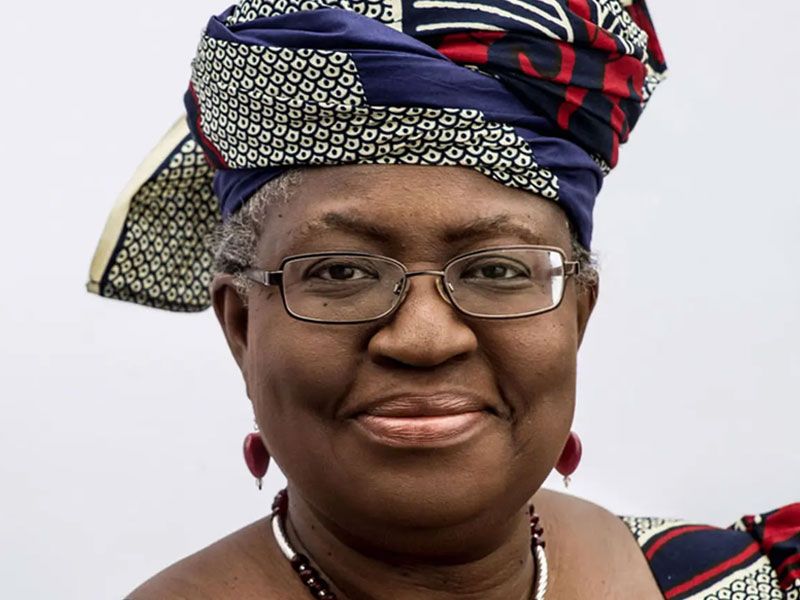
WTO Director-General Ngozi Okonjo-Iweala used the opening to push for urgent action, calling on member states to use the meeting as a launching point for a renewed multilateral trade framework.
She criticised the growing trend of unilateral decision-making among countries and acknowledged long-standing frustrations within the organisation.
According to her, years of inaction and unresolved disputes have weakened the WTO’s ability to effectively manage global trade challenges.
Reform or Irrelevance?
The summit, known as the 14th Ministerial Conference (MC14), is being viewed by many as a defining moment for the WTO’s future.
Previous talks, including the last major meeting in Abu Dhabi, failed to deliver meaningful agreements on critical issues such as agriculture and fisheries leaving unresolved tensions that have only intensified.
Now, attention has shifted to broader institutional reform, with proposals ranging from changes to decision-making processes to updates in trade rules governing developing nations.
Maros Sefcovic has called for more decisive action, stressing the need to address market distortions and ensure fair competition globally.
Similarly, the United Kingdom has warned that without significant reforms, the WTO risks becoming irrelevant in a rapidly evolving global economy.
Deep Divisions Emerge
Despite the urgency, consensus remains elusive.
Countries are sharply divided on key issues, including whether to maintain the long-standing “most-favoured nation” principle, a core WTO rule that ensures equal trade treatment among members.
The United States has been a vocal critic of the rule, arguing that it limits flexibility in an era increasingly shaped by bilateral agreements and strategic trade policies.
In contrast, China and several developing nations insist the principle must remain central to preserving fairness in global trade.
The divide highlights a broader struggle between rule-based multilateralism and power-driven trade dynamics.
Trump-Era Policies Reshape Debate
The conference also marks the first major WTO gathering since Donald Trump returned to office, bringing with him a renewed push for protectionist policies, including tariffs and bilateral trade deals.
US Trade Representative Jamieson Greer signaled Washington’s position clearly, stating that the WTO must evolve to remain relevant in a system increasingly focused on reciprocity and balance.
Meanwhile, the organisation’s dispute settlement system once a cornerstone of global trade enforcement remains effectively paralysed after the US blocked new judicial appointments, leaving critical trade disputes unresolved.
Uncertain Path Forward
Experts remain skeptical about the likelihood of any major breakthroughs.
Stuart Harbinson of the European Centre for International Political Economy noted that deep divisions among members could prevent meaningful agreements from emerging.
For many observers, however, the stakes extend beyond policy outcomes.
Former WTO Director-General Pascal Lamy framed the moment starkly: the real question is whether the WTO can still fulfil its core mission of reducing trade barriers in a world increasingly inclined to raise them.
A Defining Moment for Global Trade
As negotiations unfold in Yaoundé, the future of the WTO and the broader multilateral trading system hangs in the balance.
With geopolitical tensions rising and trust among nations eroding, the outcome of this summit could determine whether global trade cooperation can be revived or continue its slide toward fragmentation.