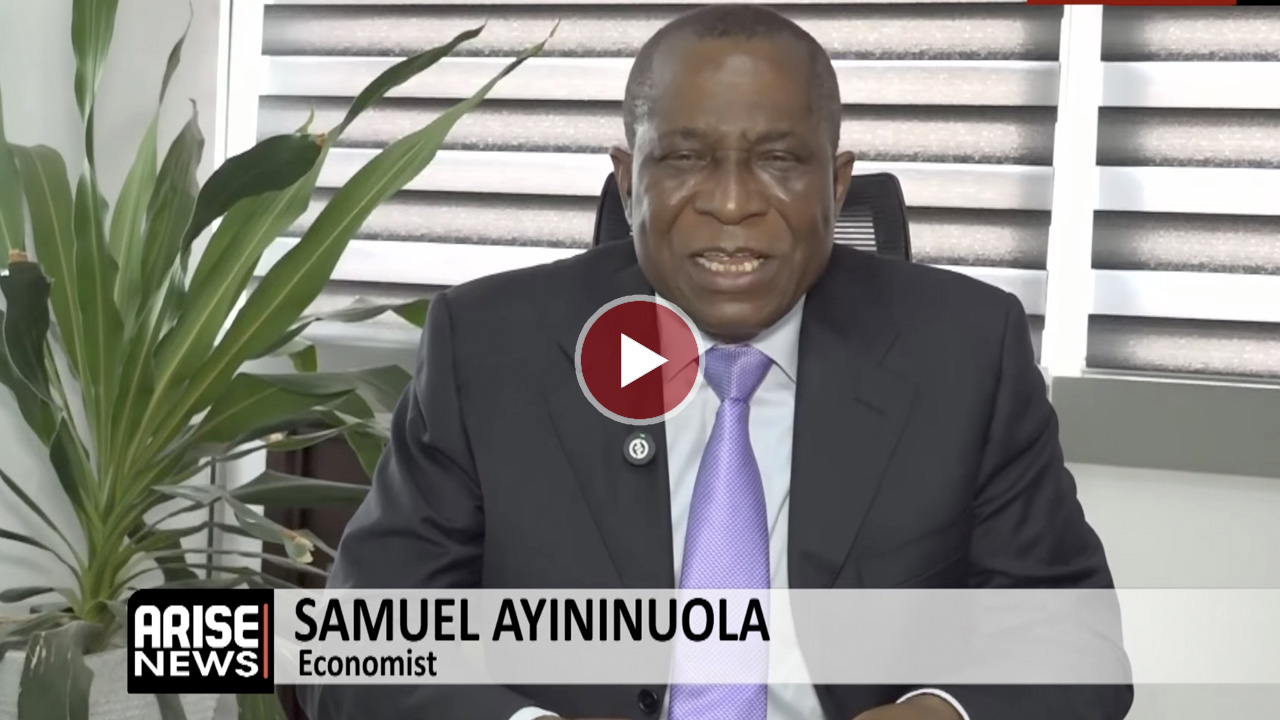
An economist, Samuel Ayininuola, has attributed Nigeria’s vulnerability to the current global oil price surge triggered by geopolitical tensions to the country’s underdeveloped downstream petroleum sector and lack of proactive economic planning.
Speaking during an interview on ARISE News on Tuesday, Ayininuola said Nigeria’s dependence on external petroleum systems has made it highly exposed to international shocks despite its status as a leading oil producer.
He explained that the sharp increase in fuel prices across the country reflects deeper structural challenges within the sector. According to him, “we have become so vulnerable to these international shocks because of the downstream section. We have not carried out proper structural development.”
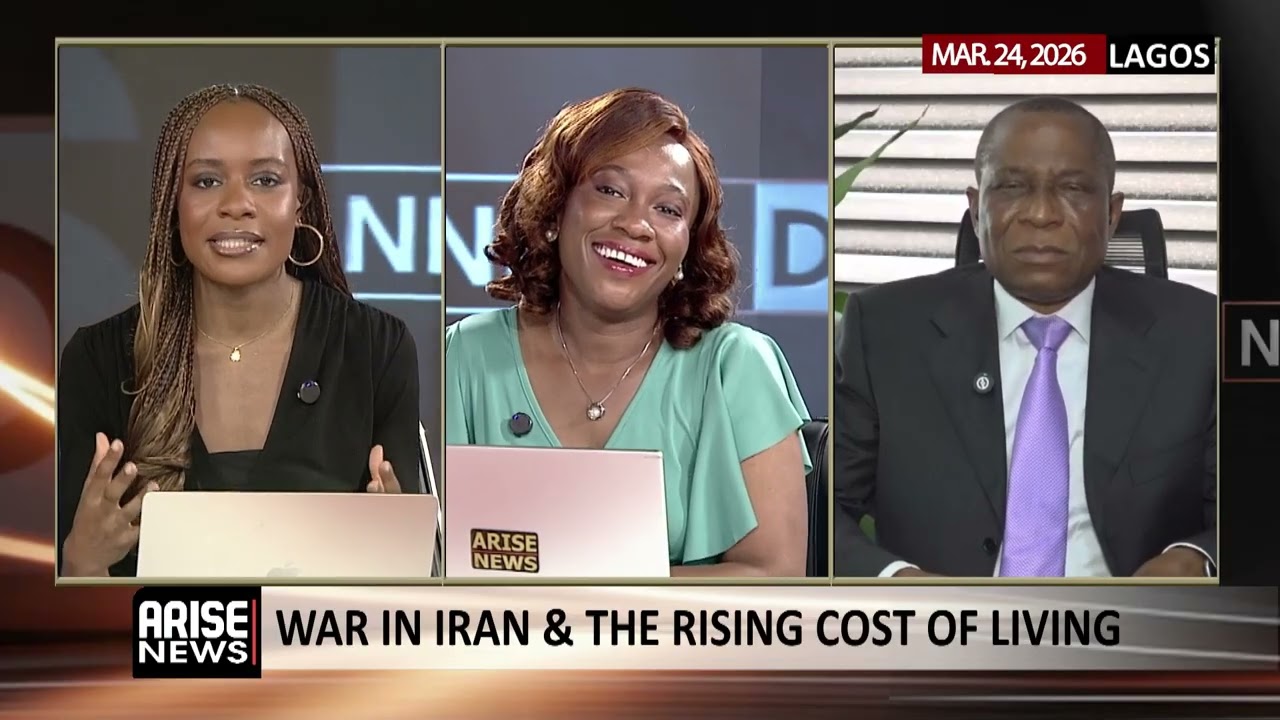
Ayininuola noted that Nigeria ranks among countries with the highest increase in petrol prices globally, stating that “the rate of increase of our petrol prices, 40% increase, is the second highest in the whole world.”
To mitigate the impact, he urged the federal government to reduce the multiple taxes imposed on refiners, which he described as a major contributor to high fuel costs. “For now, I think it’s time to take down some of those taxes so that the prices become more reasonable and more affordable,” he said.
He also highlighted the absence of a strategic petroleum reserve as a key weakness in the country’s response to supply disruptions. According to him, “if we had a strategic petroleum reserve… government would have released [it] at a time like this,” helping to ease the pressure on consumers.
On proposed relief measures such as direct financial support to citizens, Ayininuola raised concerns about implementation, particularly transparency and accountability. He questioned “how do we implement it in such a way that the money will get into the correct hands?”
The economist further criticised Nigeria’s reactive approach to economic challenges, noting that warning signs of the crisis were evident. “We saw this crisis developing… and we should have put some steps in place,” he said.
He, however, urged Nigerians not to panic, expressing optimism that the situation may not persist for long. “This situation is not going to last long,” he added, while acknowledging possible long-term effects.
Ayininuola concluded that the crisis presents an opportunity for Nigeria to reform its petroleum sector and explore alternative energy sources, emphasizing that “we must learn that lesson from this” to better prepare for future shocks.
Triumph Ojo