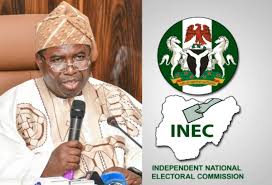
The Independent National Electoral Commission (INEC) has convened a high-level meeting with leaders of political parties in Abuja to present and deliberate on newly drafted electoral guidelines ahead of Nigeria’s 2027 general elections.
The meeting, held at the Commission’s headquarters, brought together party chairmen, national secretaries, and accredited representatives from across the political spectrum as preparations gradually intensify for the next electoral cycle.
Among those present were Senator Nenadi Usman, representing the Labour Party, while Abdulrahman Mohammed and Samuel Anyanwu attended on behalf of the Peoples Democratic Party (PDP).
At the centre of the discussions is a fresh set of electoral guidelines intended to regulate the conduct of the 2027 polls and align electoral operations with recent legal reforms.
According to INEC Chairman Professor Mahmood Yakubu, the revised framework became necessary following the enactment of the Electoral Act 2026, which introduced new legal provisions requiring updates to existing electoral procedures.
He noted that political parties and stakeholders must adjust to the evolving electoral environment, stressing that outdated regulations can no longer guide preparations under the new legal framework.
Beyond the guidelines review, the Commission also outlined key preparatory activities expected to shape the pre-election period.
These include the next phase of the Continuous Voter Registration (CVR) exercise, which is scheduled to begin with online pre-registration on August 18, 2025, followed by physical registration nationwide from August 25, 2025.
The exercise will allow eligible Nigerians to newly register, transfer registration, replace lost voter cards, or update personal details.
INEC also announced plans for a nationwide voter register revalidation exercise aimed at improving the integrity of the electoral roll by removing duplicate entries and names of deceased voters.
The Commission says the clean-up process is critical to strengthening public confidence in the credibility of future elections.
Meanwhile, national debate continues around broader electoral reforms, particularly provisions contained in the Electoral Act Amendment Bill 2026, including legislative discussions over real-time electronic transmission of election results to INEC’s IReV portal.
Political alignments ahead of 2027 are also becoming more pronounced.
Bola Tinubu has already secured a second-term endorsement from the All Progressives Congress (APC), while opposition figures such as Atiku Abubakar, Rotimi Amaechi, and Peter Obi are engaged in talks around a possible coalition platform under the African Democratic Congress (ADC).
With new rules emerging and political realignments taking shape, INEC’s latest engagement signals the early groundwork for what is expected to be another closely watched national election.