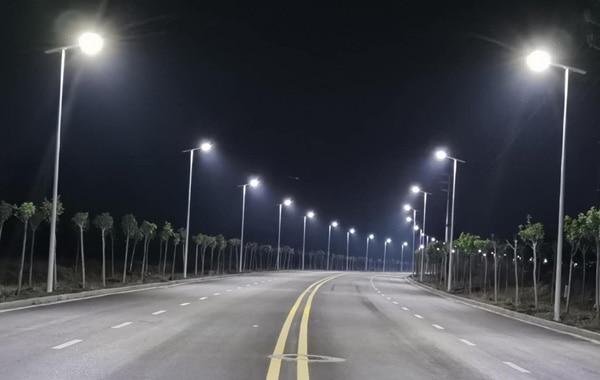
Sri Lanka has begun enforcing emergency energy-saving measures, ordering the shutdown of street lights, neon signs, and illuminated billboards nationwide as pressure mounts from rising global fuel prices linked to the ongoing Middle East conflict.
The restrictions, which took effect on Tuesday, form part of a broader government strategy aimed at cutting national energy consumption by 25 percent to prevent worsening supply shortages.
Government spokesperson Nalinda Jayatissa said all state institutions have also been directed to reduce air-conditioning use as the war in the Middle East enters its fourth week, continuing to disrupt global oil and gas markets.
Sri Lanka has already increased domestic fuel prices by nearly one-third since military escalation involving the United States and Israel against Iran triggered retaliatory attacks that affected international energy supply chains.
“We need to reduce consumption by at least 25 percent,” Jayatissa told reporters in Colombo, expressing hope that private businesses would also comply with guidelines prepared by a panel of energy experts.
As part of the emergency response, the government has introduced a four-day work week and reinstated work-from-home arrangements in an effort to reduce transportation demand and fuel consumption.
Authorities also ordered that illuminated advertising displays be switched off after 9:00 p.m., while street lighting will remain disabled nationwide except in designated high-security zones.
An official from the energy ministry warned that although current peak electricity demand is being sustained through coal and diesel generation, the country faces a growing risk of nationwide power outages unless consumption drops significantly.
Last week, Anura Kumara Dissanayake appealed to electric vehicle owners to avoid charging overnight, noting that a sudden additional demand of 300 megawatts had forced the country to burn more coal and diesel to stabilise the national grid.
At present, nearly half of Sri Lanka’s electricity is generated from coal and diesel-powered plants.
Although renewable energy production remains strong during daylight hours, the country still lacks battery storage systems capable of preserving excess solar and wind energy for night-time use.
With global fuel markets under pressure and domestic energy reserves tightening, Sri Lanka’s latest restrictions highlight the growing ripple effect of geopolitical conflict on vulnerable economies.