Minister urges regional energy hubs and cross-border partnerships to unlock critical minerals and drive continent-wide industrial growth….
Nigeria’s solid minerals sector is gaining renewed global attention, with the Federal Government revealing it has attracted more than $2.6 billion in foreign direct investment within the past two years under the administration of President Bola Ahmed Tinubu.
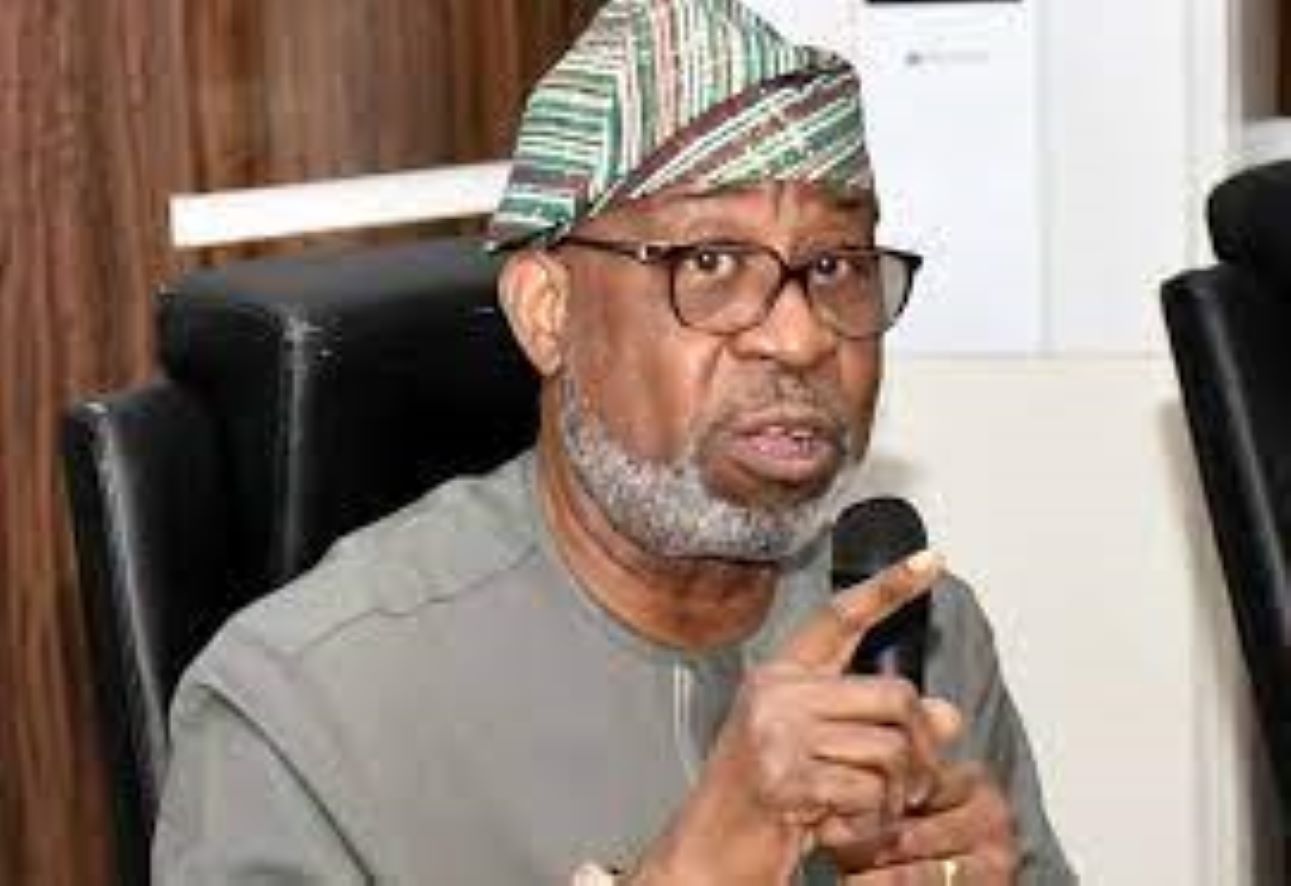
The Minister of Solid Minerals Development, Dele Alake, disclosed this in a statement issued by his Special Assistant on Media, Segun Tomori, as he called for a new continental strategy to accelerate mining development across Africa.
Alake made the remarks while speaking at a high-level panel titled “Critical Minerals in Africa: Meeting Global Demand” at the ongoing Powering Africa Summit in the United States.
At the heart of his message was a strong push for the creation of regional energy hubs and industrial corridors, which he described as essential to unlocking Africa’s vast mineral resources and strengthening supply chains needed for the global energy transition.
He stressed that deeper, more sustainable partnerships between African nations and global stakeholders remain the most effective path to meeting rising demand for critical minerals.
Drawing parallels with existing infrastructure initiatives, the Minister pointed to models such as the Lobito Corridor and proposed similar development belts across West Africa. One such example is the Lagos–Abidjan corridor, which connects Nigeria with neighbouring countries including Benin, Togo, Ghana, and Côte d’Ivoire, creating a strategic route for trade and industrial expansion.
Alake explained that these corridors could serve as powerful economic engines spurring infrastructure development, improving access to energy, and fostering regional integration. He noted that a single major energy project, such as nuclear power in one country, could potentially supply electricity across an entire corridor, creating the foundation for industrial growth.
With reliable energy in place, he said, value-added activities such as local mineral processing, technology transfer, manufacturing, and cross-border industrialization would naturally follow.
“If three to five such corridors are developed across Africa, the impact on industrialization would be transformative,” he said, adding that the approach would create mutual benefits for both African economies and international partners.
Alake also highlighted reforms introduced under the Tinubu administration, which he said have significantly improved investor confidence in Nigeria’s mining sector. These include stronger governance structures, clearer regulatory frameworks, digitized licensing systems, and broader ease-of-doing-business measures.
According to him, the reforms now ensure secure tenure for mineral title holders, providing the long-term certainty required to attract serious investment.
In addition, the government is expanding the availability of scientifically verified geological data to help investors make informed decisions, further positioning Nigeria as a competitive destination for mining investments.
Addressing concerns around illegal mining and security, the Minister acknowledged past challenges but pointed to recent progress through the establishment of Mining Marshals. He revealed that more than 350 suspected illegal miners including foreign nationals have been arrested within the last year, with over 150 currently facing prosecution.
He said the crackdown sends a clear message that Nigeria is serious about sanitizing the sector and protecting legitimate investments.
Reaffirming the country’s openness to investors, Alake emphasized that while Nigeria offers attractive incentives such as tax waivers on imported mining equipment and full profit repatriation after due obligations strict compliance with local laws remains non-negotiable.
“We have successfully de-risked and sanitized the mining environment, making it conducive to Foreign Direct Investment,” he stated, noting that the $2.6 billion inflow reflects growing global confidence in the sector.
Other speakers at the session echoed the importance of collaboration. Sarah Whitten of the U.S. Export-Import Bank highlighted the need for strong, consistent government commitment to ensure long-term project success, noting that financial institutions are ready to support viable mining ventures by helping unlock private sector capital.
The panel also featured key industry and government stakeholders from across Africa and the global investment community, all focused on one central question: how Africa can position itself as a reliable supplier of critical minerals in an increasingly competitive global market.
As momentum builds, Nigeria is betting that a combination of policy reforms, strategic partnerships, and regional integration will not only attract more investment but also transform its mining sector into a cornerstone of economic diversification.