Billionaire industrialist warns that rising oil prices may deepen hardship in Nigeria and beyond, as global instability threatens fragile economies…..
The President of the Dangote Group, Aliko Dangote, has sounded a note of caution over the escalating tensions in the Middle East, warning that the ripple effects could significantly worsen economic conditions across Africa if the crisis drags on.
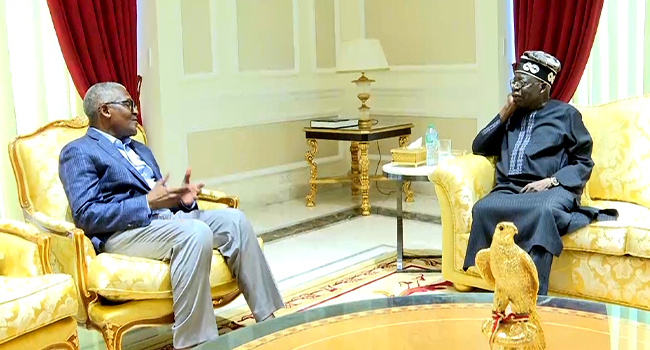
Speaking after a meeting with Bola Tinubu in Lagos, Dangote stressed that although Nigeria is not directly involved in the conflict, it cannot escape the consequences of a deeply interconnected global economy.
According to him, sustained instability in the oil-rich region is likely to push crude prices higher, placing additional pressure on economies that are already grappling with debt and limited financial resilience.
“We may not be part of the crisis, but we will certainly feel its impact,” Dangote noted, emphasizing that Africa’s economic vulnerability makes it particularly exposed to external shocks. He warned that if tensions fail to ease, the continent could face a new wave of financial strain layered on top of existing challenges.
Dangote pointed out that many African nations are already heavily burdened by debt obligations, leaving little room to absorb fresh economic shocks. A prolonged surge in oil prices, he explained, would only intensify the strain on governments and citizens alike.
He further highlighted how rising energy costs could cascade through every layer of the economy. From small-scale businesses to large industries, the cost of operations would increase, inevitably leading to higher prices for goods and services.
In Nigeria, where unreliable electricity forces businesses to rely heavily on fuel-powered generators, the impact could be even more severe. Artisans, food producers, transport operators, and manufacturers all stand to bear the brunt of increased fuel costs, which are often passed directly to consumers.
Dangote also cautioned that governments may find it difficult to cushion the effects through wage increases, leaving many households struggling to cope with rising living expenses.
Looking at global trends, he noted that some countries have already begun adopting cost-saving measures in response to energy pressures, including reduced workdays and remote work policies. He suggested that if the crisis escalates further, similar adjustments could become more widespread, echoing the disruptions seen during the COVID-19 pandemic.
“If the situation worsens, economies may be forced to adapt in ways that directly affect how people work and earn,” he said, warning that reduced economic activity could have serious implications for livelihoods.
Despite the grim outlook, Dangote called for urgent global efforts to de-escalate the conflict, stressing that prolonged instability would come at a high cost for countries far removed from the epicenter of the crisis.
A Glimmer of Optimism
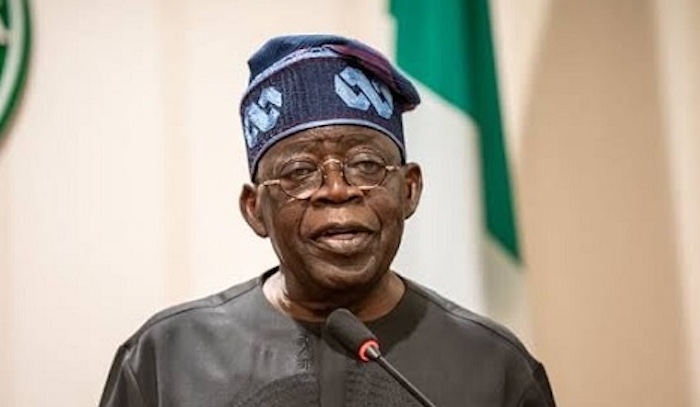
On a more positive note, Dangote praised President Tinubu’s recent visit to the United Kingdom, describing it as a strategic move that could unlock new economic opportunities for Nigeria.
He highlighted a major agreement valued at approximately £746 million, aimed at supporting infrastructure development, including improvements in port systems. According to him, beyond the financial value, the deal signals renewed international confidence in Nigeria’s economic direction.
Dangote expressed optimism that such commitments could attract further investment from other global players, potentially creating new avenues for growth and access to international financing for Nigerian businesses.
The Bigger Picture
As global oil markets continue to react to geopolitical tensions, countries dependent on imported petroleum products are already feeling the pressure. In Nigeria, recent increases in fuel prices have compounded existing economic challenges, driving up transportation and production costs.
For many businesses, especially those reliant on generators, the rising cost of energy is becoming increasingly unsustainable. The result is a cycle of higher operational expenses and increased consumer prices, further squeezing household incomes.
Dangote’s warning ultimately underscores a critical reality: in today’s global economy, distant conflicts can have immediate and far-reaching consequences especially for regions already walking a financial tightrope.