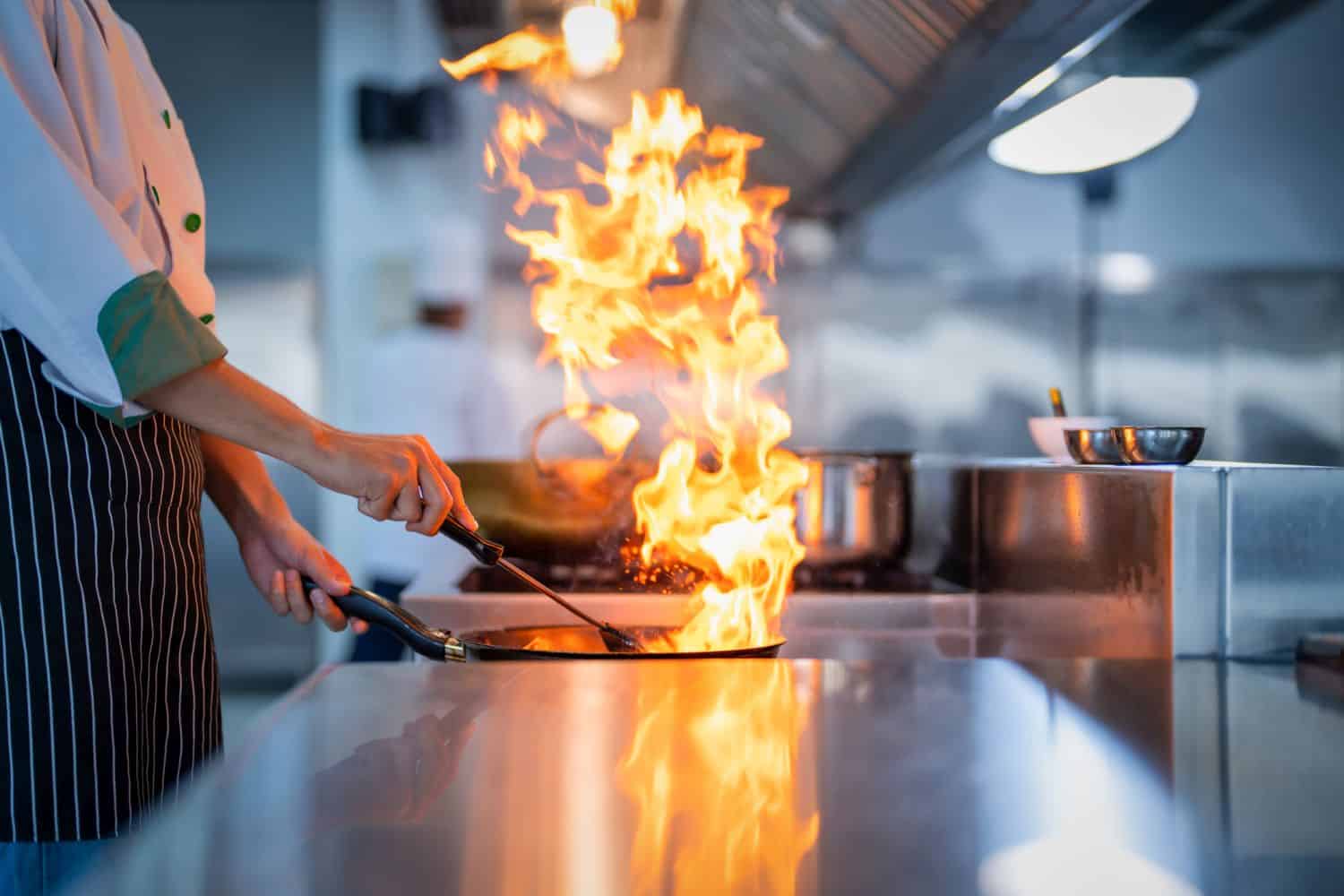
Chef in restaurant kitchen at stove and pan cooking flambe on food
Most people choose certain career paths with the idea of being an employee, but there is a way to use your university qualifications and experience to become your own boss. This is seen mostly in people who were once chefs or kitchen staff opening their own restaurants.
One of these people is Chef John Mathi of Capsicum Culinary Studio. He was once a chef for The Leela Palaces, Hotels and Resorts in India, and today he is deputy campus head.
From chef to executive
He says in the hospitality space there are opportunities for people to open their own establishments, this can be owning restaurants, launching food ventures or building influential brands. But the transition can be challenging.
“The modern South African chef is no longer just a creator of flavour, they are a strategist, brand builder, financial custodian and people leader,” he says.
“The transition from chef to CEO is challenging, but for those who embrace it, the rewards reach far beyond the plate. It’s an opportunity to shape culture, community, and the future of the food industry itself.”
ALSO READ: From washing dishes to running kitchens: How Mandla Donga became a chef
Chefs must be fluent in spreadsheets
Mathi adds that “a great plate doesn’t guarantee a great business”. Rising food costs, staffing shortages and the pursuit of sustainable growth mean that business acumen has become as critical as knife skills. Today’s chefs must be as fluent in spreadsheets as they are in sauces.
Individuals entering the entrepreneurship journey must understand margins, procurement and pricing. He highlights that in the age of social media and influencing, one needs to understand marketing and digital presence.
“One needs to understand talent development and culture building, because a strong brigade builds a strong brand. Customer experience strategy is also important because this is where loyalty begins long before guests step through the door.”
Reclaiming South Africa’s culinary heritage
Mathi says the country’s food scene has faced immense challenges, from load shedding to rising costs and changing consumer habits, but out of this pressure has come innovation. Creativity has become a survival strategy.
“One of the most exciting developments in our local food landscape is how chefs are reclaiming South Africa’s culinary heritage. From indigenous ingredients to traditional cooking methods, we are seeing a proud resurgence of authenticity on the plate.”
He adds that chefs are diversifying their income models: launching takeaway brands, hosting supper clubs, developing artisanal product lines, offering cooking classes and partnering with the wellness, tourism, and hospitality sectors.
ALSO READ: Entrepreneurship a solution to youth unemployment – but there are challenges
People are important
Mathi says by celebrating local producers and supporting small-scale farmers, South African chefs are not only elevating our cuisine to global relevance but also strengthening the economic ecosystem that sustains it. A strong brand today isn’t built in isolation, it’s built on connection, purpose and place.
“Kitchens run on people, on talent, energy and trust. The next generation of culinary leaders understands that. Entrepreneurial chefs are championing wellbeing, mentorship and diversity, challenging the burnout culture that has long defined professional kitchens.
“Leadership in this industry is no longer about command; it’s about compassion. The best chef-leaders build teams that thrive creatively and collectively.
“As our industry evolves, the most impactful culinary figures will be those who blend creativity with commercial intelligence; chefs who can design a beautiful dish and a sustainable business model in the same breath.”
NOW READ: Five ways entrepreneurs can look after their mental health