Israeli Prime Minister Benjamin Netanyahu has rejected a 15-point plan backed by the Trump administration to disarm Hamas in Gaza, insisting Israeli forces will not withdraw from the territory until the Palestinian militant group gives up its weapons.
Netanyahu’s rejection marks a rare public disagreement with US President Donald Trump, with whom the Israeli prime minister has maintained a close but often unpredictable political partnership.
The US-backed proposal envisages a phased process under which Hamas would surrender its weapons to a new Palestinian administration in Gaza.
In return, Israel would gradually withdraw its forces from more than half of Gaza that it currently controls.
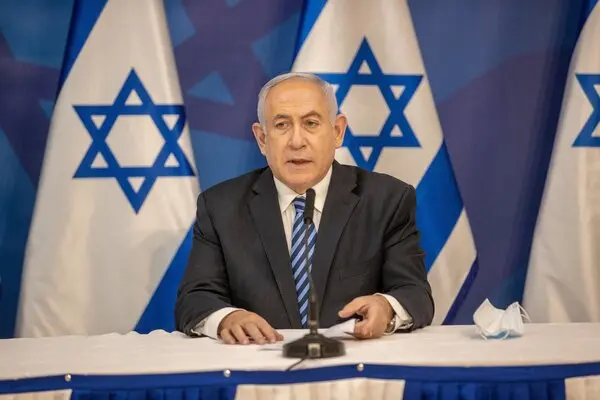
Netanyahu said on Sunday at a meeting of government ministers, according to a readout from his office that Israel would not accept the arrangement in its current form. “I want to be clear here Israel is ruling out the 15-point plan.”
He added that Israel had already communicated its concerns over the proposal to the Trump administration.
Netanyahu also made clear that Israeli forces would not begin withdrawing from areas under their control before Hamas was disarmed.
“Israel is ruling out the 15-point plan, he said, while stressing that Israeli forces would not carry out any withdrawal until Hamas is disarmed.”
The Israeli position creates a potential obstacle for the Trump administration’s efforts to advance a political and security framework for Gaza.
The proposed arrangement seeks to link Hamas’s disarmament with an Israeli military withdrawal and the establishment of a new Palestinian administration in the territory.
However, Netanyahu’s rejection suggests that Israel remains unwilling to make a significant military withdrawal without first securing the removal of Hamas’s weapons.
The disagreement also highlights the difficulties facing Washington as it attempts to reconcile Israel’s security demands with plans for Gaza’s future governance and reconstruction.
Netanyahu’s comments represent a notable public break with Trump, despite the strong relationship between the two leaders.
The Israeli prime minister has frequently relied on Trump’s support on major issues involving Israel and the conflict in Gaza, while the US president has backed Israel’s security objectives.
The latest dispute, however, shows that the two governments do not necessarily share the same position on the sequence and conditions for ending Israel’s military presence in Gaza.
For the proposed plan to move forward, Israel would need to accept a framework involving a phased withdrawal, while Hamas would be expected to surrender its weapons as part of the process.
Netanyahu’s government has instead maintained that disarmament must come before any Israeli withdrawal, setting up a potentially difficult negotiation between Jerusalem and Washington over the future of Gaza.
Erizia Rubyjeana