Jennifer Nyamwija remembers the pain long before she understood what was causing it.
It began as a persistent ache in her lower back, something she dismissed as a minor health problem. Then came what she described as boils on her cervix, followed by surgery at a clinic in Mbarara.
For a brief moment, she thought the ordeal was over. It wasn’t. Two months later, the pain returned, this time accompanied by bleeding. It was her brother who urged her to seek screening for cervical cancer, advice that would ultimately save her life.
Today, after surviving cervical cancer twice, the 49-year-old has a simple message for Ugandans: don’t ignore warning signs, seek screening early and never underestimate the power of family support.
“The only hope you can give to a cancer patient is loving them,” Nyamwija said.
Her story highlights two realities that continue to shape cancer care in Uganda. The first is that early diagnosis can significantly improve treatment outcomes. The second is that surviving cancer often requires much more than medicine.
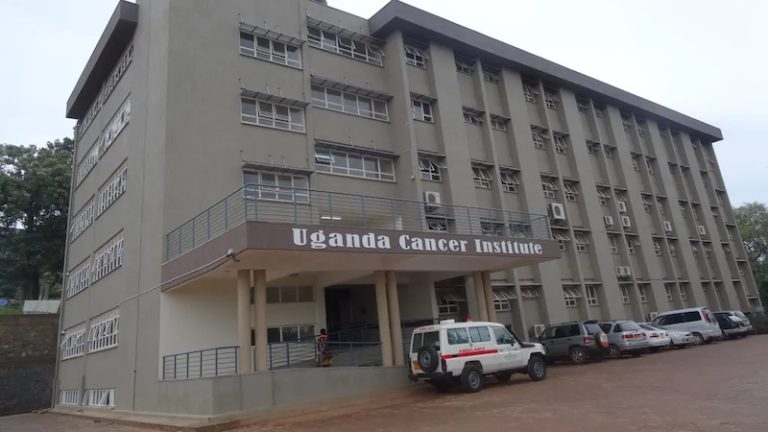
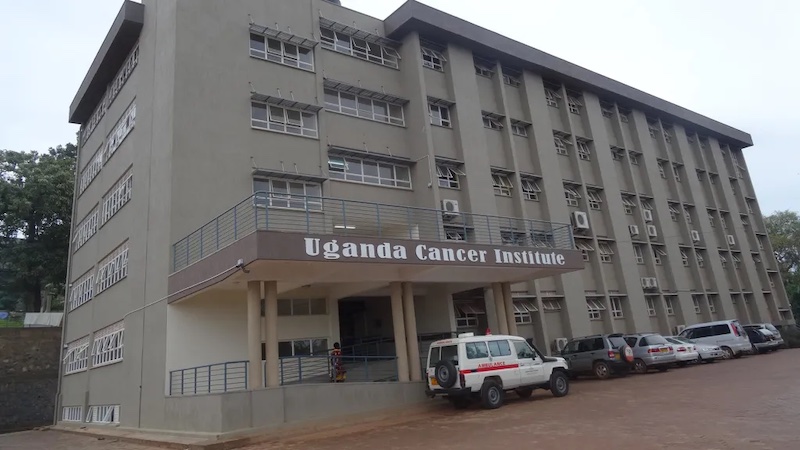
Emotional support, reliable information and financial assistance can be just as important during a patient’s recovery. After arriving at the Uganda Cancer Institute (UCI), Nyamwija underwent the hospital’s patient navigation process before being screened for cancer.
Patient navigation is a system that helps people understand where to go, which tests they need and how to begin treatment after diagnosis. She recalls being welcomed by a health worker identified as Stellah, who guided her through the confusing early stages of diagnosis and treatment.
Doctors initially diagnosed her with stage two cervical cancer. However, by the time chemotherapy started, the disease had progressed to stage three. That experience has become one of the strongest reasons behind her campaign for early screening.
For Nyamwija, the progression of her illness showed how quickly cervical cancer can advance if treatment is delayed, even for a relatively short period. She underwent a combination of radiotherapy and chemotherapy, treatments commonly used to destroy cancer cells and prevent the disease from spreading.
Throughout the process, she also received psychosocial counselling from her brother, Dr Joseph, a medical doctor practising in Kampala. The combination of medical treatment and emotional support helped her recover after three years.
But her journey was not over. Sometime later, her legs began to swell, prompting another visit to the Uganda Cancer Institute. Doctors placed her on a second course of chemotherapy after the cancer returned. The treatment caused her to lose her hair, but it was successful, and she recovered once again.
Looking back, Nyamwija credits much of her resilience to the guidance she received throughout her treatment. She said health workers taught her about proper nutrition and how to manage her health after cancer treatment.
She particularly praised Stellah, whom she described as “a listening professional,” saying the encouragement she received restored her confidence during one of the most difficult periods of her life. Despite surviving cancer twice, Nyamwija says life after treatment remains challenging.
“Life after my treatment journey has not been good and easy especially the financial implications,” she said.
Before falling ill, she earned a living operating a restaurant while also working in her garden and on her farm. Today, she says she can no longer perform the physically demanding work she once managed with ease.
Instead, she must follow a strict diet and lifestyle to maintain her health. Her experience reflects a challenge faced by many cancer survivors. Although treatment may end, recovery often continues for years, bringing ongoing medical expenses, reduced earning capacity and lifestyle changes that affect entire families.
Nyamwija has since become an advocate for cancer awareness, encouraging women to recognise early warning signs and seek medical attention before symptoms become severe. She says her first symptom—persistent, unexplained lower back pain—is one many women may overlook. She now urges anyone experiencing similar symptoms to seek screening rather than waiting for the condition to worsen.
She also cautions patients against seeking treatment from herbalists or traditional healers who claim to cure cancer. According to Nyamwija, such practices often delay proper medical care and may allow the disease to progress further before patients eventually reach specialised treatment.
Her message extends beyond patients themselves. She believes families play a critical role in helping people navigate the emotional and financial burden of cancer. Throughout both rounds of treatment, she says her relatives stood by her, providing encouragement, counselling and financial support when she needed it most. For her, that support became as important as the chemotherapy itself.
“If there is one thing that carried me through years of treatment and relapse, it was my family,” she said.
Now fully recovered, Nyamwija hopes her experience will persuade more Ugandans to treat unusual symptoms seriously, embrace cancer screening and support loved ones throughout treatment.
She believes that while doctors provide the medicine, families often provide something equally important: the hope that helps patients keep fighting.
“When they feel loved, they are more assured of hope and survival,” she said.