Households shift focus to essentials as inflation concerns and high interest rates weaken demand for major consumer goods and long-term investments…..
Nigerians are increasingly putting off major purchases, including cars, homes and household appliances, as rising living expenses and costly borrowing conditions continue to put pressure on household finances.
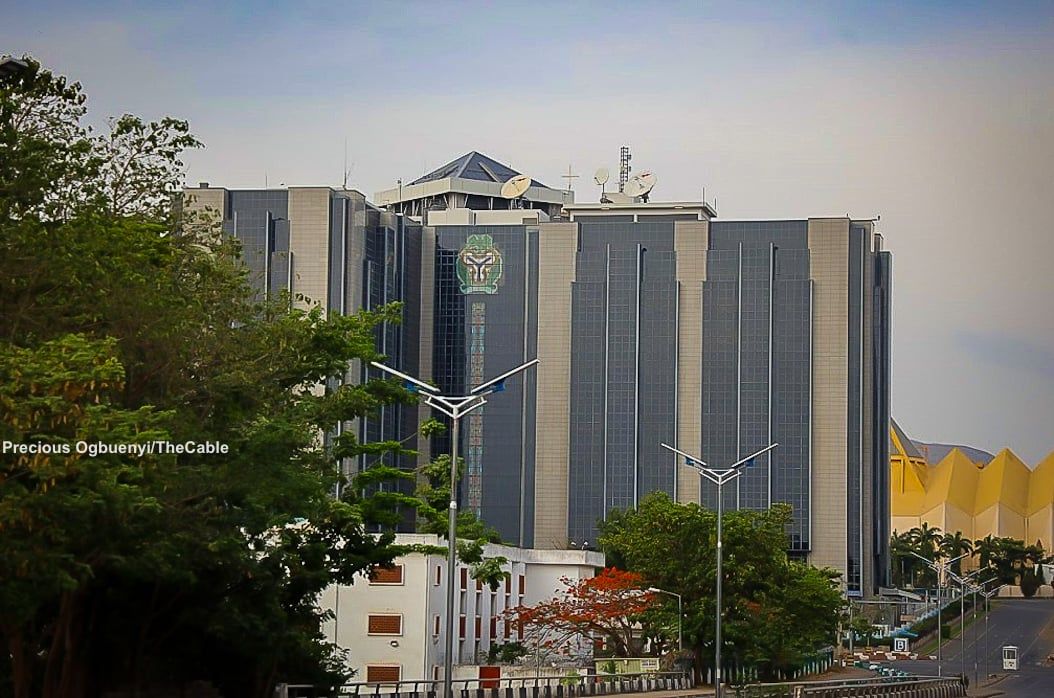
This is according to the latest Household Expectations Survey released by the Central Bank of Nigeria (CBN), which showed that consumers remain cautious about spending on big-ticket items despite recent signs of easing inflation.
The survey revealed that buying conditions for motor vehicles, consumer durable goods, buildings and landed properties remained below 30 points, indicating that many households consider the current economic environment unfavourable for major purchases.
The findings suggest that improved inflation figures have not yet translated into stronger purchasing power, as many Nigerians continue to prioritise basic needs over discretionary spending and long-term investments.
According to the CBN report, the Consumer Sentiment Index on average prices of selected items declined to 24.3 points in July from 28.9 points in June, reflecting changing consumer expectations about price movements.
The Buying Conditions Index for major purchases remained significantly weak, with:
- Motor vehicles recording 28.7 points.
- Consumer durables standing at 28.9 points.
- Buildings and landed properties recording 30.0 points.
The willingness of households to make these purchases was even lower, with motor vehicles scoring 18.7 points, buildings and landed property at 19.2 points and consumer durables at 24.4 points.
The report noted that purchase outlook remained negative across key categories, with house purchases recording an index of -56.9, cars and motor vehicles at -56.3, household appliances and other durable goods at -36.8, investment intentions at -35.7 and rent at -24.6.
The CBN said expectations could improve slightly over the next six months, but current consumer sentiment remains weak.
“The Buying Conditions Index for major purchases remained below the 50.0 threshold throughout the review period, indicating that a majority of respondents considered the prevailing environment unfavourable for purchases of consumer durables, vehicles, and buildings or landed properties,” the report stated.
The survey showed that Nigerians continue to worry about the impact of inflation and borrowing costs on household finances.
Consumer expectations for future price changes stood at 23.3 points over the next three months and 25.0 points over the next six months.
The report found that:
- 4 percent of households believe the economy would worsen if inflation rises further.
- 6 percent of respondents expect bank lending rates to increase in the next three months.
- 2 percent want interest rates to decline.
- 5 percent agreed that higher interest rates may be necessary to control inflation.
The continued high cost of credit has made major financial commitments such as mortgages, vehicle loans and consumer financing more difficult for many households.
The survey showed that food remains the largest area of household expenditure, followed by household goods, education, transportation, electricity and water.
The spending pattern reflects a shift towards survival needs, with consumers cutting back on non-essential purchases as they manage limited disposable income.
The weak demand environment could create challenges for industries that rely heavily on consumer spending, including real estate, automobile dealers, manufacturing companies and financial institutions offering consumer credit.
Although Nigeria’s headline inflation moderated slightly to 15.91 percent in June 2026 from 15.93 percent in May, households appear to remain cautious due to the lingering effects of high prices and expensive loans.
The cautious consumer outlook also comes amid the Central Bank of Nigeria’s decision to maintain a tight monetary policy stance, with the Monetary Policy Committee retaining the benchmark interest rate at 26.5 percent in July.
For many households, the combination of high borrowing costs and uncertainty over future prices continues to delay major financial decisions, keeping demand for homes, vehicles and durable goods under pressure.