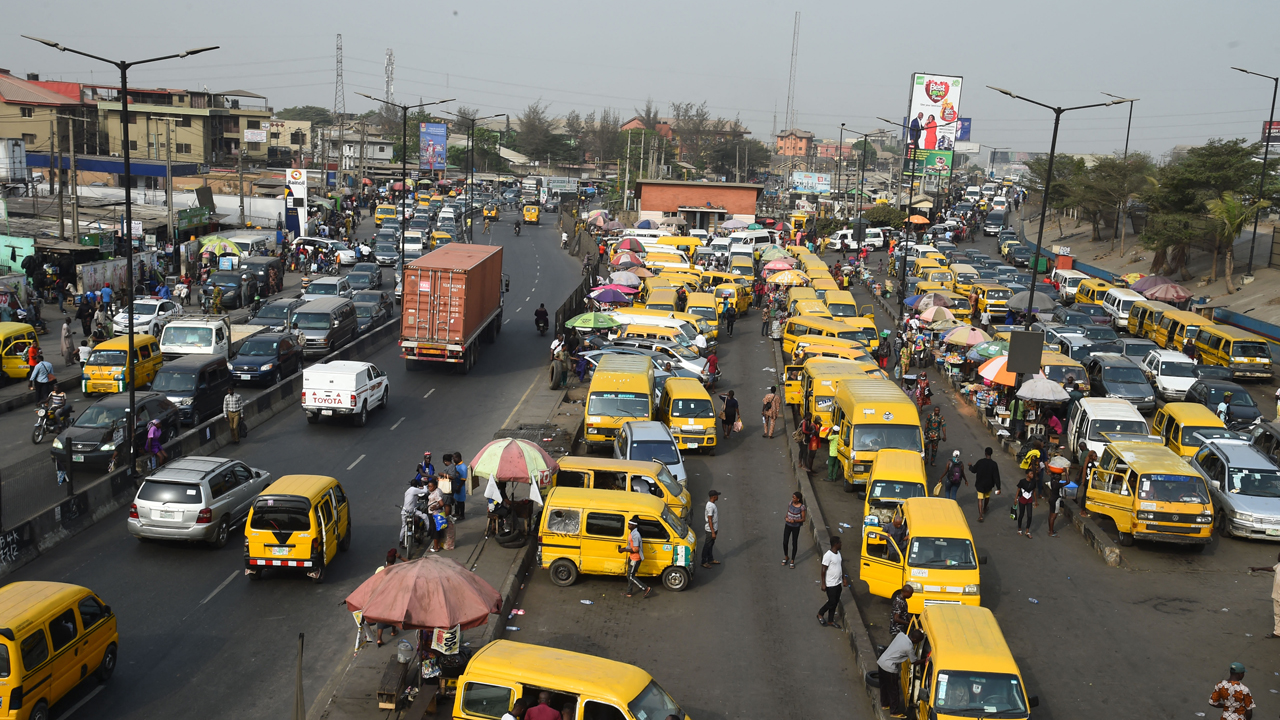
Lagos State is moving to transform its informal public transport system, as the government signs a new agreement with major transport unions to integrate commercial bus operators, popularly known as danfo, into a regulated and modern transport framework.
The Memorandum of Understanding, signed with the Nigeria Union of Road Transport Workers and the Road Transport Employers Association of Nigeria, is part of the Lagos State Bus Industry Transition Programme aimed at improving safety, efficiency and service delivery across the state’s transport network.
The reform is expected will create a more organised system for commuters while ensuring existing transport operators remain part of the transition process.
Speaking at the signing ceremony, the Permanent Secretary of the Ministry of Transportation, Olawale Musa, described the agreement as “a new beginning for public transport in Lagos State”, saying it reflects a shared commitment between government and operators to build a safer and more sustainable transport system.
Under the framework, commercial bus operations along eight designated Quality Bus Corridors will gradually move into a franchise-based system with defined operational standards. Transport unions will also play a role in helping their members transition into franchise operators.
The reforms will introduce digital fare collection to improve transparency, reduce revenue leakages and make payments easier for passengers, while the Lagos Metropolitan Area Transport Authority will maintain regulatory oversight of operations.
The first phase will cover four major corridors currently under construction, including Iju-Ishaga-Abule Egba, Ketu-Alapere-Akanimodo, Iyana-Iba-Igando-Iyana-Ipaja and Ojuelegba-Lawanson-Cele routes.
LAMATA Managing Director, Abimbola Akinajo, said the agreement followed more than two years of discussions, consultations and negotiations between the government and transport unions. She said the objective is to ensure operators become partners in the reform rather than victims of the process.
“This will become a baseline for other cities because it will be a verifiable example of a handshake between government and the unions”, Akinajo said.
She added that the initiative is not aimed at pushing transport workers out of the sector, stressing that formalising public transport operations would create opportunities for growth and could serve as a model for other cities.