Only 30% of 2025 Appropriation Fully Funded as Lawmakers Raise Concerns Over Budget Implementation
The Federal Government has disclosed that about 70 per cent of the 2025 national budget will be rolled over into 2026, following funding challenges that limited full implementation of the current fiscal plan.
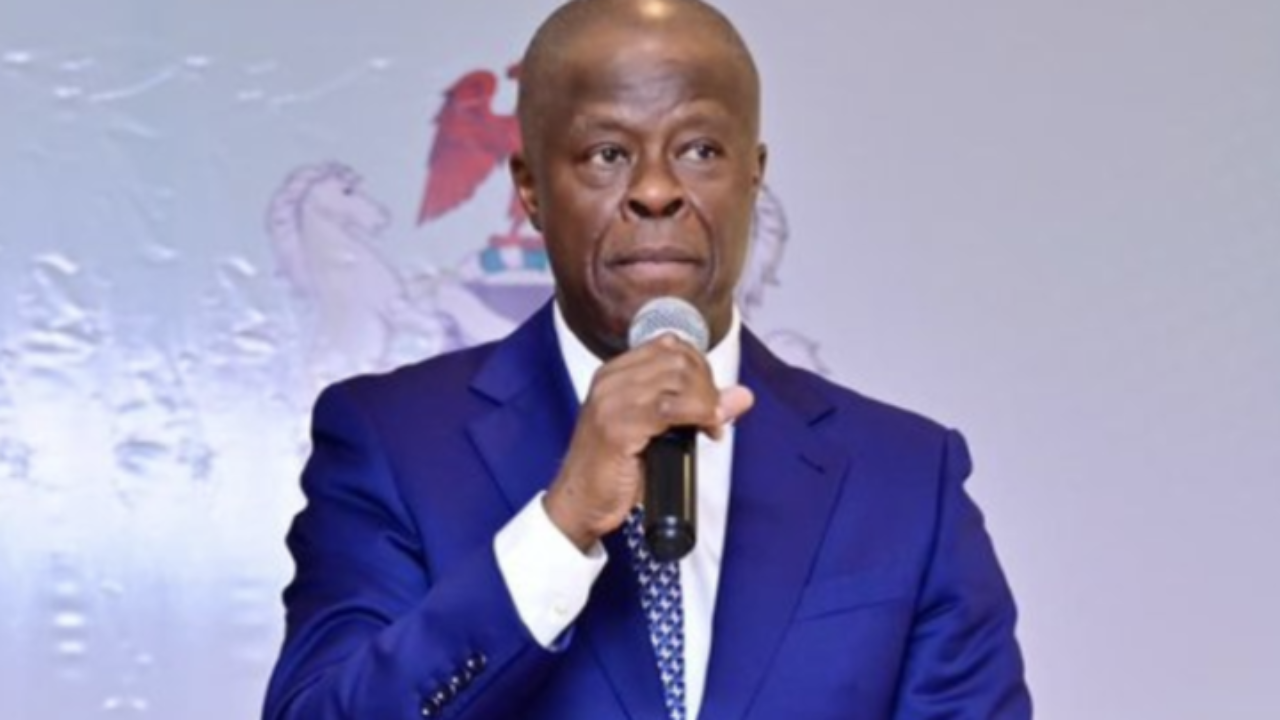
The disclosure was made on Monday by the Minister of Finance and Coordinating Minister of the Economy, Wale Edun, during a one-day interactive session between the Senate Committee on Finance and members of President Bola Tinubu’s economic team on the 2026–2028 Medium Term Expenditure Framework and Fiscal Strategy Paper (MTEF/FSP).
Chairman of the Senate Committee on Finance, Senator Sani Musa, said the engagement followed a formal request from the Executive to the Senate President, Godswill Akpabio, seeking legislative approval of the MTEF/FSP. The framework, he noted, was approved by the Federal Executive Council (FEC) on December 3, 2025.
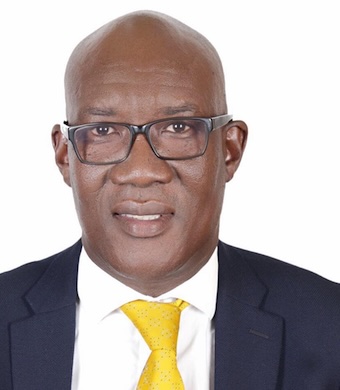
The meeting, held on December 15, 2025, was attended by the Minister of Budget and Economic Planning, Abubakar Bagudu; Minister of State for Finance, Doris Uzoka-Anite; Minister of Petroleum Resources (Oil), Senator Heineken Lokpobiri; the Accountant-General of the Federation, Babatunde Ogunjimi; and the Chairman of the Federal Inland Revenue Service, Zacch Adedeji.
Presenting the government’s position, Edun explained that the 2024 budget had been extended and largely implemented, particularly on the capital expenditure component, with funds already made available to complete outstanding projects.
He revealed, however, that only about 30 per cent of the 2025 budget had been fully funded, making it necessary for the government to carry forward the remaining 70 per cent into the 2026 fiscal year.
According to the finance minister, revenue projections increased significantly from ₦20 trillion in 2024 to ₦40 trillion in 2025, but actual revenue inflows fell short of expectations, highlighting structural weaknesses in revenue collection.
Edun acknowledged that while efforts at revenue mobilisation had improved, the gap between projected and realised income underscored the need for a stronger strategy.
“There has been a yeoman’s job in revenue mobilisation, but we need a more robust revenue optimisation programme for 2026,” he said.
“The focus is not borrowing but revenue. For the economy to grow, we need mass savings and productive investment.”
The Accountant-General of the Federation, Babatunde Ogunjimi, also informed the committee that arrangements had been concluded to clear outstanding 2024 budget obligations, adding that indigenous contractors had already received about 80 per cent of payments owed, with the first and second batches fully disbursed.
Despite the assurances, several lawmakers expressed dissatisfaction with the pace of budget implementation. Senator Danjuma Goje questioned the continued delay in executing constituency projects, despite claims that revenue targets for 2025 had been met, warning that Nigeria was effectively operating three budgets simultaneously.
Other senators sought clarification on whether revenue projections would also be rolled over into 2026 and whether the new budget cycle would introduce fresh capital funding.
Responding, Edun explained that the rollover strategy was aimed at ending repeated budget extensions and ensuring that 2026 operates as a single, stable budget year. He noted that non-oil revenue had shown relatively strong performance, while oil revenue continued to pose challenges, requiring flexibility in expenditure planning.
Several lawmakers called for the immediate settlement of outstanding contractor payments, urging the government to prioritise existing obligations. However, some senators argued that rolling over such a large portion of the 2025 budget contradicted claims of eliminating multiple budget cycles, describing the approach as “a matter of semantics.”
At the conclusion of the session, the Senate Committee on Finance announced the constitution of a three-member committee to work directly with the President’s economic team to accelerate the release of funds to indigenous contractors.
Senator Musa said the National Assembly would subject the assumptions underlying the MTEF to rigorous scrutiny, stressing the need for fiscal discipline, transparency, and realistic projections.
About the Author