As Nigeria moves closer to the 2027 general elections, the Independent National Electoral Commission (INEC) says it is implementing comprehensive reforms aimed at improving the credibility, transparency, and efficiency of the electoral process.
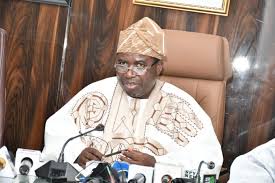
Speaking at a Citizens’ Town Hall Meeting organised by the Civil Society Network on Electoral Integrity, the INEC Chairman, Joash Amupitan, said the commission is strengthening its operational systems and building on lessons learned from previous elections to enhance public confidence.
He noted that reforms under the amended Electoral Act followed broad consultations with stakeholders, describing the new framework as a major step toward better election management.
Amupitan said the changes are intended to address past challenges, particularly in result transmission, logistics coordination, and technology deployment. He stressed that INEC is reviewing its procedures and conducting additional tests ahead of 2027 to ensure smoother nationwide operations.
Highlighting the importance of transparency and preparedness, he said, “Glitches have been eliminated. By God’s grace, they will not surface again,” while explaining that the commission has improved system testing to avoid previous technical setbacks. He also emphasized that while electronic processes will be strengthened, expectations must remain realistic due to infrastructural constraints in some areas.
The INEC chairman further stated that logistics remain central to credible elections, noting, “Your election can only be as good as your logistics”. He outlined timely commencement, peaceful conduct, and transparent result management as key benchmarks for success, adding that corrective measures are already being implemented to address identified gaps.
Amupitan concluded by reaffirming the commission’s commitment to continuous improvement, saying Nigerians can expect a stronger, more accountable electoral process in 2027, with reforms designed to meet the growing expectations of voters.
About the Author