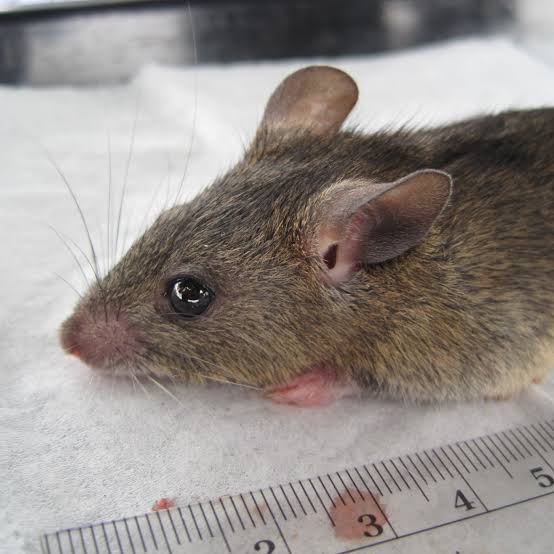
The Nigeria Centre for Disease Control and Prevention (NCDC) has reported a worrying surge in Lassa fever cases across the nation, with 109 fatalities and 469 confirmed infections recorded so far in 2026. The case fatality rate has notably increased, reaching 23.2%, surpassing the 18.7% reported during the same timeframe in 2025.
In its latest situation report for epidemiological week 9 (February 23 to March 1), the NCDC indicated that 65 new confirmed cases emerged during the reporting period, a decline from the 77 cases recorded in the previous week. These new infections were predominantly reported in the states of Benue, Ondo, Bauchi, Taraba, Edo, Plateau, and Nasarawa.
From the beginning of the year up until week 9, the NCDC noted there have been 2,446 suspected cases of Lassa fever, with 469 confirmed cases and four classified as probable. Overall, 18 states across 69 local government areas have reported at least one confirmed case in 2026.
The report highlighted that a significant majority of infections are concentrated in a few states, with 86% of the confirmed cases coming from Bauchi, Ondo, Taraba, Benue, and Edo states. Notably, Bauchi accounted for 28% of the cases, followed closely by Ondo with 22% and Taraba with 19%. Benue and Edo reported 9% and 8% of cases, respectively.
The age group most affected is individuals between 21 and 30 years. Patients range in age from one to 90 years, with a median age of 30. The report also noted a slightly higher incidence among men compared to women, with a male-to-female ratio of 1 to 0.8. Additionally, the reporting week saw six healthcare workers infected, bringing the total number of affected health workers this year to 37.
To combat the rising cases, the NCDC has activated the national Lassa fever Incident Management System, which coordinates response efforts among various partners and sectors. Key measures undertaken include intensified case searches, contact tracing, and the deployment of national rapid response teams to seven high-burden states. The agency has also distributed personal protective equipment and other essential materials to treatment centres.
Additional interventions include a targeted infection prevention and control strategy in Benue State, supported by the World Health Organization, along with field missions and clinical support activities in partnership with organizations such as Médecins Sans Frontières and the United States Centers for Disease Control and Prevention.
Despite these extensive response efforts, the NCDC has identified several challenges hindering progress, including the late presentation of cases, poor health-seeking behavior linked to high treatment costs, inadequate environmental sanitation in affected communities, and increasing infections among healthcare personnel.
About the Author